The World Health Organization (WHO) has declared an Ebola outbreak in the Democratic Republic of Congo (DRC) and Uganda a Public Health Emergency of International Concern (PHEIC), warning that the situation poses a significant risk of cross-border spread in Central Africa.
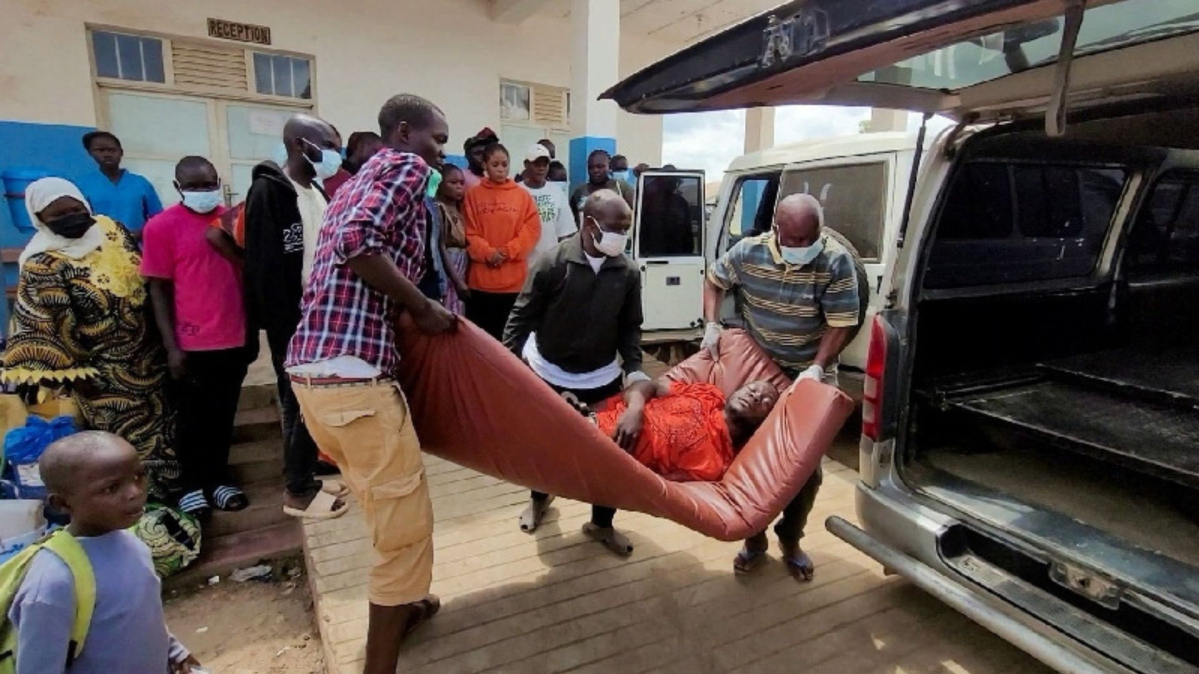
The outbreak, caused by the Bundibugyo strain of the Ebola virus, has already resulted in widespread fatalities and infections across multiple regions, with health authorities reporting more than 80 suspected deaths, eight laboratory-confirmed cases, and 246 suspected cases in DRC’s Ituri province alone as of Saturday.
Cases have been identified across at least three health zones (Bunia, Rwampara, and Mongbwalu) with officials warning that the true scale of the outbreak may be larger due to rising case numbers and a high positivity rate in initial testing.
The WHO said the outbreak is “extraordinary” because there are currently no approved vaccines or specific treatments for the Bundibugyo strain, unlike the more commonly known Ebola Zaire strain, for which medical countermeasures exist.
Cross-border spread
Health officials confirmed that the outbreak has already spread beyond the DRC, with cases detected in neighbouring Uganda.
In Uganda’s capital Kampala, two laboratory-confirmed cases, including one death, were reported in individuals who had recently travelled from the DRC. A separate confirmed case was also recorded in Kinshasa involving a traveller returning from Ituri.
The WHO said these developments demonstrate that international spread has already occurred, raising concern for neighbouring countries and regional health systems.
Emergency measures
The United Nations health agency has urged countries in the region to activate emergency response systems, strengthen cross-border surveillance, and implement screening along major transport routes.
It also advised that confirmed cases should be immediately isolated and contacts monitored daily for 21 days, while restricting both national and international travel for exposed individuals.
However, the WHO cautioned against blanket border closures, warning that such measures could drive movement underground and make tracking the outbreak more difficult.
At the same time, the agency stressed that Bundibugyo virus contacts should not travel internationally unless for medical evacuation.
Regional risk
The DRC has experienced multiple Ebola outbreaks since the virus was first identified in 1976, with this being the 17th recorded outbreak in the country.
Health experts say the region’s dense tropical forests remain a natural reservoir for the virus, which spreads through direct contact with bodily fluids or contaminated materials.
Symptoms typically include fever, vomiting, diarrhoea, and severe body aches, with Ebola often proving fatal if not treated early.
The WHO said countries bordering eastern DRC remain at high risk of further transmission, as surveillance systems are stretched and population movement across borders continues.
Officials say the situation remains fluid, with ongoing monitoring and international coordination efforts now underway to contain the outbreak.

















What is your opinion on this topic?
Leave the first comment