People across Gaza are facing a worsening humanitarian crisis, with millions struggling to access food, clean water, shelter and medical care as the conflict continues.
Widespread displacement and destruction
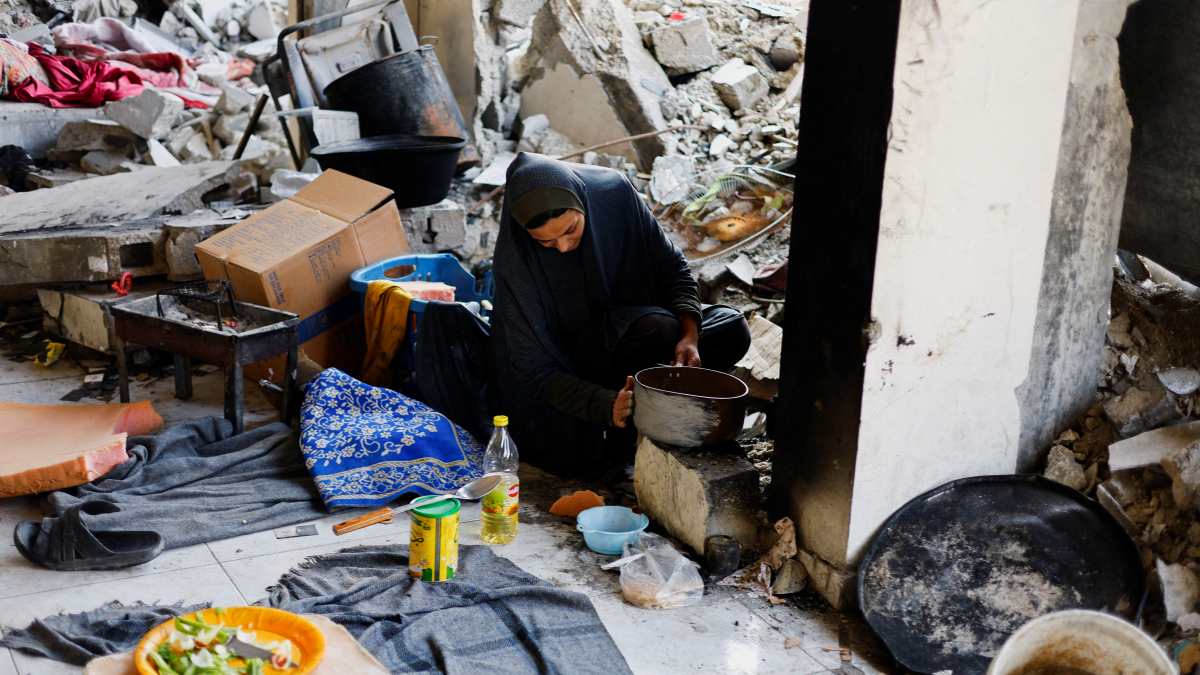
Large areas of the territory have been heavily damaged during the conflict, forcing many families to flee their homes and seek safety in overcrowded shelters, temporary camps and damaged buildings. Hospitals and other essential infrastructure have also been severely affected, placing further pressure on emergency services and aid organisations.
According to the United Nations Relief and Works Agency (UNRWA), citing Gaza health authorities through the UN Office for the Coordination of Humanitarian Affairs (OCHA), more than 72,600 Palestinians had been killed and more than 172,000 injured between 7 October 2023 and 6 May 2026.
OCHA says living conditions across Gaza remain extremely difficult, with most of the population displaced and exposed to serious health and environmental risks. The agency also reports continuing strikes affecting residential areas and civilian infrastructure.
Shortages of food, water and medical supplies
Humanitarian organisations say access to basic supplies remains one of the biggest challenges facing people in Gaza. Many families are struggling to obtain enough food, while shortages of fuel and medical supplies continue to affect hospitals and water systems.
People in Gaza urgently need:
- Food and baby formula
- Clean drinking water
- Medicine and medical supplies
- Shelter, blankets and hygiene kits
- Fuel for hospitals and water systems
- Support for children and injured people
- Safe access for humanitarian aid deliveries
Food insecurity remains one of the most pressing concerns. The World Food Programme says at least 1.6 million people - around 77 per cent of Gaza's population - are facing high levels of acute food insecurity.
Medical services are also under severe strain. OCHA says the World Health Organization estimates that more than 43,000 people in Gaza have suffered life-changing injuries, while rehabilitation and emergency care services remain overstretched.
Aid agencies
Aid agencies say international support remains critical. People in the U.S. and around the world are being encouraged to donate to trusted humanitarian organisations working directly in Gaza or through local partners.
Humanitarian experts say financial donations are usually more effective than sending clothes or food parcels. Cash donations allow aid agencies to buy supplies quickly, respond to changing needs and distribute assistance through established delivery networks.
Organisations accepting donations include:
- The World Food Programme
- UNICEF
- The Red Cross and Red Crescent
- Doctors Without Borders
- Save the Children
- CARE
- Oxfam
- UN humanitarian funds
Experts advise donors to check that organisations are registered, transparent and legitimate before giving money, particularly during large-scale humanitarian emergencies, when scams can become more common online.
Aid groups also warn against sending unsolicited goods unless specifically requested. Clothes, food packages and medicine can be delayed at borders, rejected because of regulations or become too expensive to transport effectively.
Calls for continued international support
Humanitarian organisations say the crisis in Gaza is not only about shortages of food and medicine, but also about safety, dignity and long-term recovery. They continue to call for increased humanitarian access, safer aid delivery routes and sustained international support to help civilians affected by the conflict.











What is your opinion on this topic?
Leave the first comment