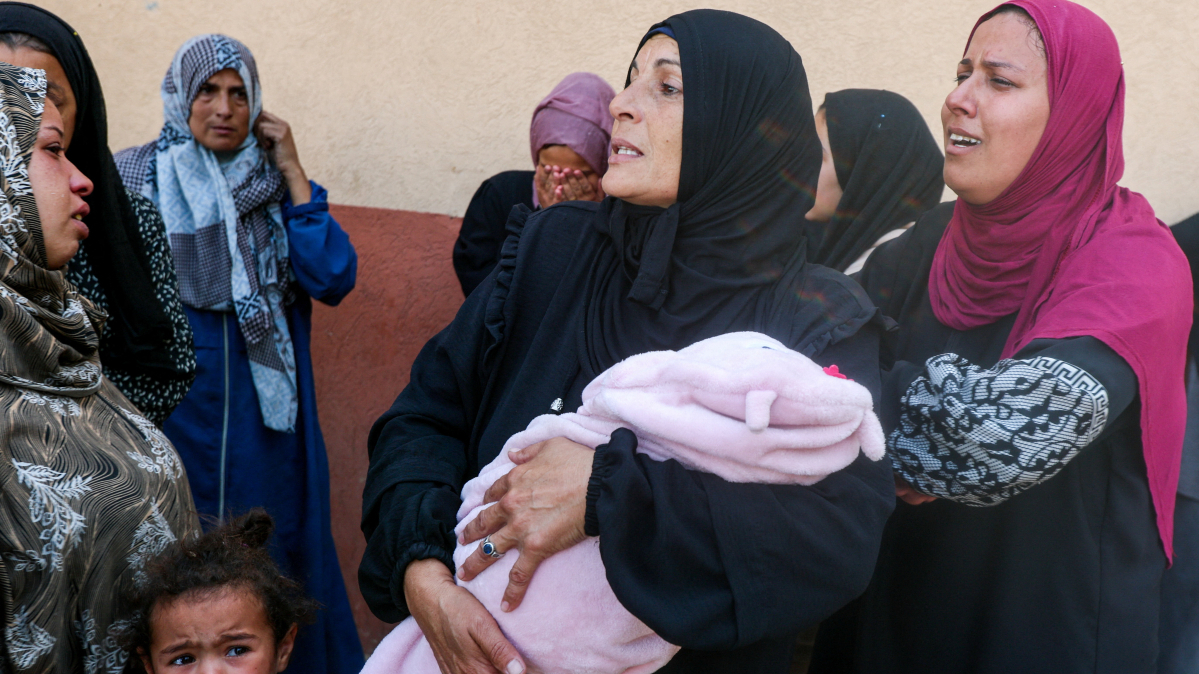
An average of at least 47 women and girls were killed each day during the war in Gaza, according to new figures released by UN Women.
The agency said more than 38,000 women and girls died between October 2023 and December 2025, including at least 22,000 women and 16,000 girls.
Speaking in Geneva, Sofia Calltorp, head of humanitarian action at the agency, said the scale of the loss is striking. She noted that women and girls made up a much higher share of deaths than in previous conflicts in Gaza.
“These were people with lives and dreams,” she said. “They were mothers, daughters, sisters and friends, deeply loved by those around them.”
Deaths continue despite ceasefire
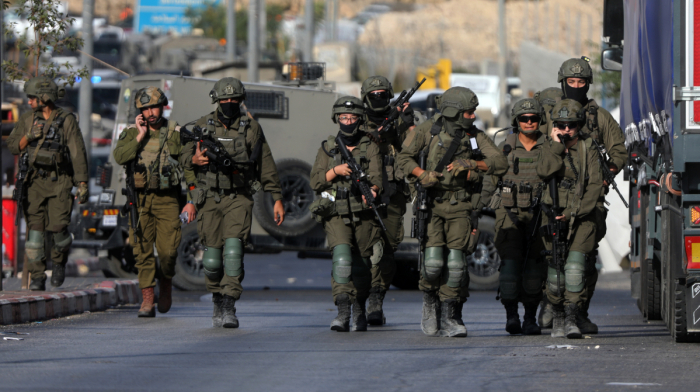
The report also warns that killings have continued even after a ceasefire agreed in October. The truce brought an end to two years of full-scale fighting between Hamas and Israel, but violence has not stopped entirely.
Local medics say more than 750 Palestinians have been killed since the ceasefire, while militants have killed four Israeli soldiers. Both sides have accused each other of breaching the agreement.
UN Women said it does not yet know how many of those killed since the ceasefire are women or girls, due to a lack of detailed data.
Widespread injury and lasting harm
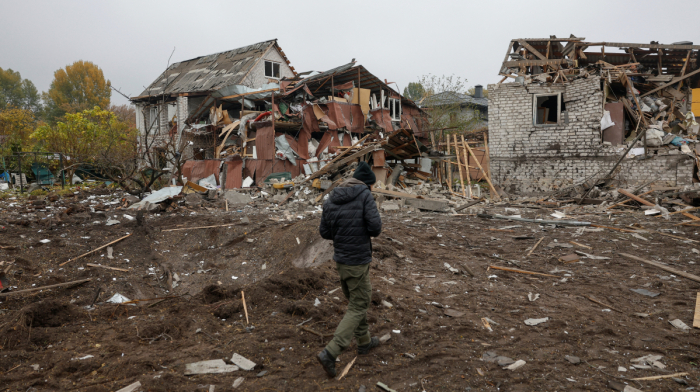
The impact goes beyond deaths. Nearly 11,000 women and girls have been injured, many with life-changing disabilities. The true number of casualties may be higher, as many bodies are still believed to be buried under rubble.
According to Gaza’s health authorities, more than 72,000 Palestinians have been killed overall since October 2023, with over 170,000 injured.
Daily life becoming harder
The war has created a long-term humanitarian crisis. Around one million women and girls have been displaced, often living in difficult and unsafe conditions.
Many families are now led by women, who face rising financial pressure and increased risks to their safety.
Damage to roads, hospitals and other services has made daily life much harder. Access to healthcare is especially limited. Figures from the World Health Organisation show that more than 500,000 women cannot access basic services, including care during pregnancy and after childbirth.
Calltorp said the situation leaves many without even the most basic support. “It is almost impossible for women and girls in Gaza to meet their essential needs,” she said.
Children also affected
The crisis is also affecting children. UNICEF reported that at least 214 children have been killed in the past six months alone.
The figures highlight the ongoing human cost of the conflict, even as large-scale fighting has eased.
Calls for action
UN Women is calling for full respect for the ceasefire, as well as adherence to international law and a significant increase in humanitarian aid.
The agency stressed that women and girls must be at the centre of recovery and peace efforts.
It continues to work on the ground in Gaza alongside women-led and women’s rights organisations. Together with UN partners and aid groups, it aims to deliver life-saving support and ensure women are included in decision-making and rebuilding.
Despite a reduction in large-scale fighting, the figures show that the impact of the war is far from over, particularly for women and girls trying to rebuild their lives.












What is your opinion on this topic?
Leave the first comment