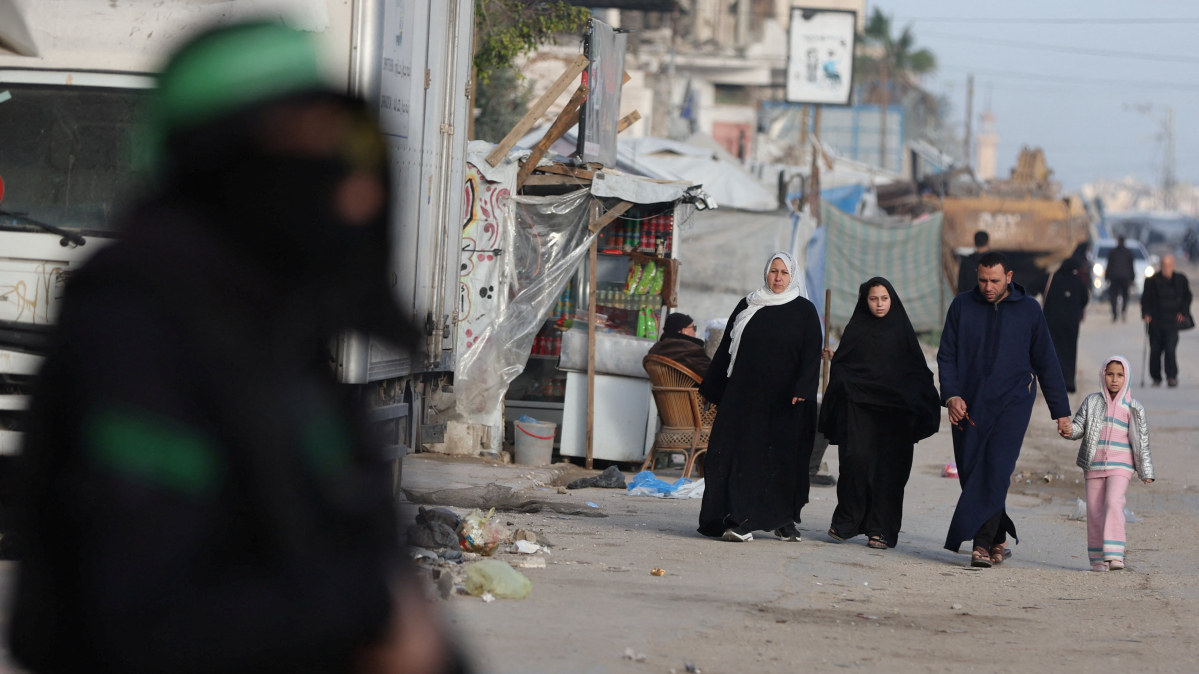
The armed wing of Hamas has said it will not accept calls to disarm while key conditions of the Gaza ceasefire remain unmet, highlighting growing tensions around efforts to extend the ceasefire.
In a televised statement on Sunday, spokesperson Abu Ubaida criticised what he described as premature and unacceptable pressure to discuss weapons, arguing that such demands ignore commitments that have yet to be fulfilled.
He warned that raising the issue “in a crude manner” would not be tolerated, and framed the push for disarmament as part of a broader threat to Palestinians in Gaza.
Dispute over ceasefire conditions
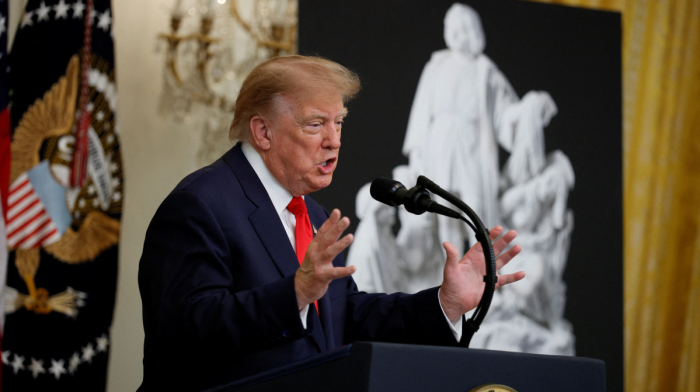
The ceasefire, brokered by the United States under proposals linked to President Donald Trump's 'Board of Peace' plan, has largely halted two years of intense fighting since last October. However, negotiations over its next phase remain stalled.
A central sticking point is whether Hamas should give up its weapons - a demand seen by some mediators as key to securing a longer-term settlement. Hamas, however, has insisted it will not enter such discussions without firm guarantees that Israel will fully withdraw from Gaza.
“What is being pushed through mediators is extremely dangerous,” Abu Ubaida said, urging those involved in negotiations to instead pressure Israel to meet its obligations under the initial phase of the agreement.
It remains unclear whether his remarks amount to a formal rejection of the broader U.S.-backed proposals. Political figures within Hamas have yet to publicly respond.
Fragile pause
The war between Israel and Hamas began after Hamas-led fighters carried out cross-border attacks into southern Israel 7 October 2023, triggering a large-scale Israeli military response. The conflict has devastated much of Gaza, displacing large numbers of civilians and leaving widespread destruction, as well as killing at least more than 75,000 people according to the local health ministry in the Strip.
Since the ceasefire came into force, both sides have repeatedly accused each other of violating its terms, underscoring how fragile the situation remains.
Abu Ubaida reiterated that any further progress depends on the current agreement being honoured in full. “The enemy is the one undermining the deal,” he said.
There has been no immediate response from Israel to the latest comments, leaving the future of the ceasefire - and the possibility of a longer-term resolution - uncertain.












What is your opinion on this topic?
Leave the first comment