Russia and Kazakhstan signed 15 agreements during President Vladimir Putin’s state visit to Astana on Thursday (28 May), including deals on Kazakhstan’s first nuclear power plant and expanded oil cooperation with Russia.
Putin holds talks with Tokayev in Astana
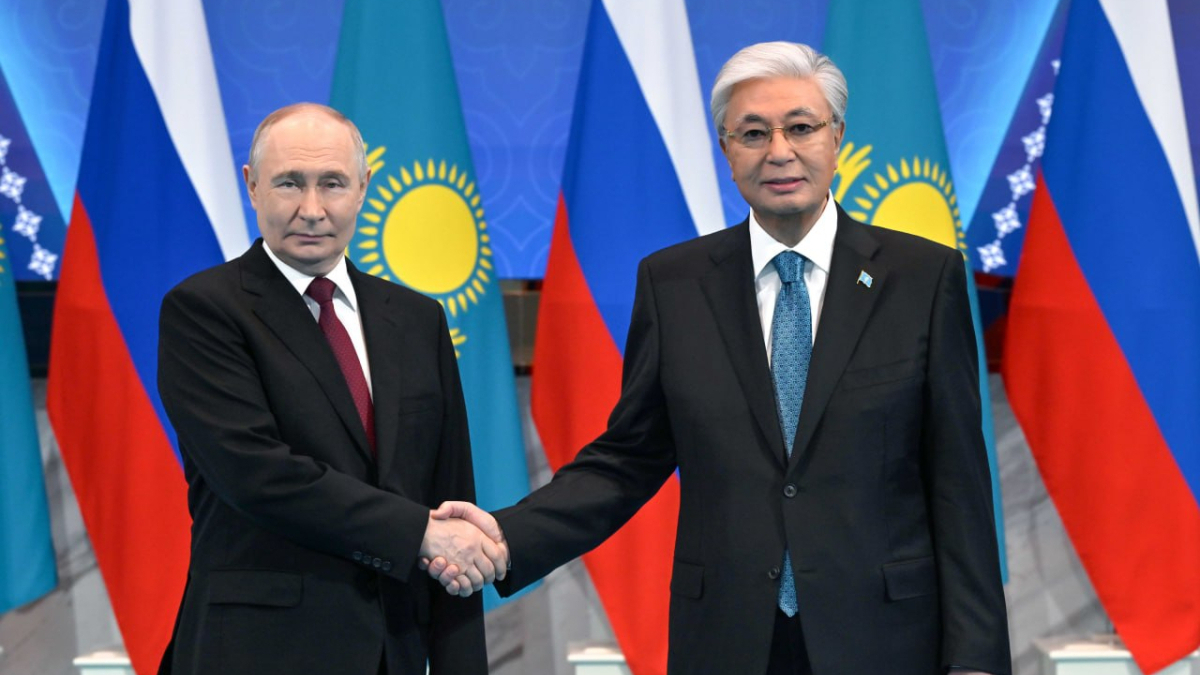
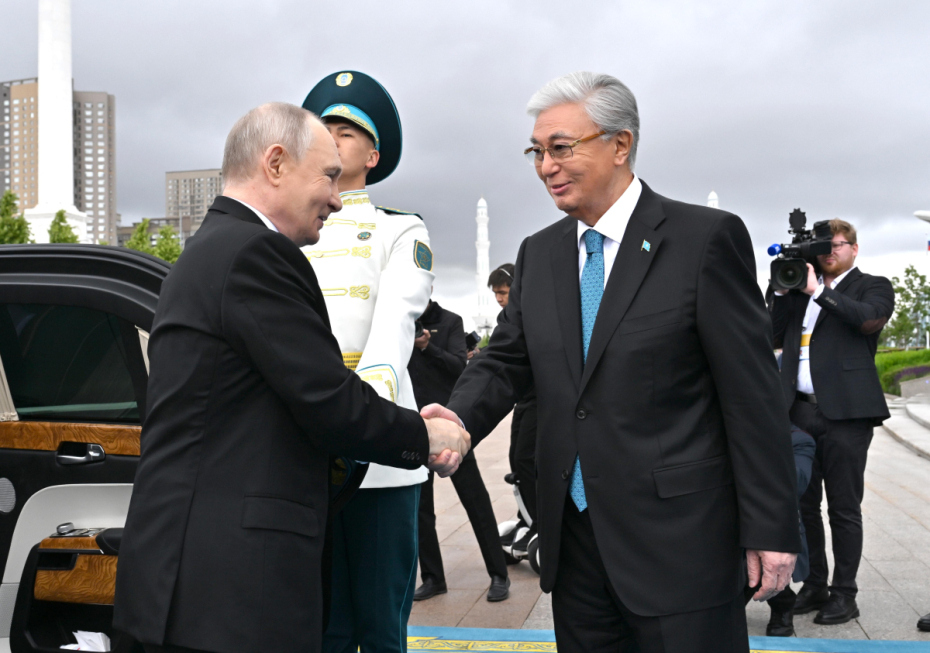
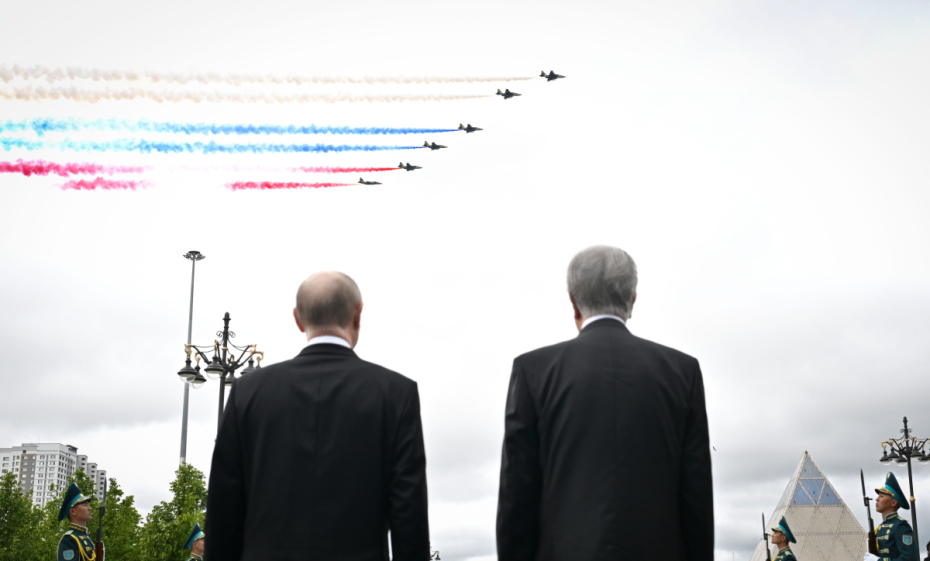
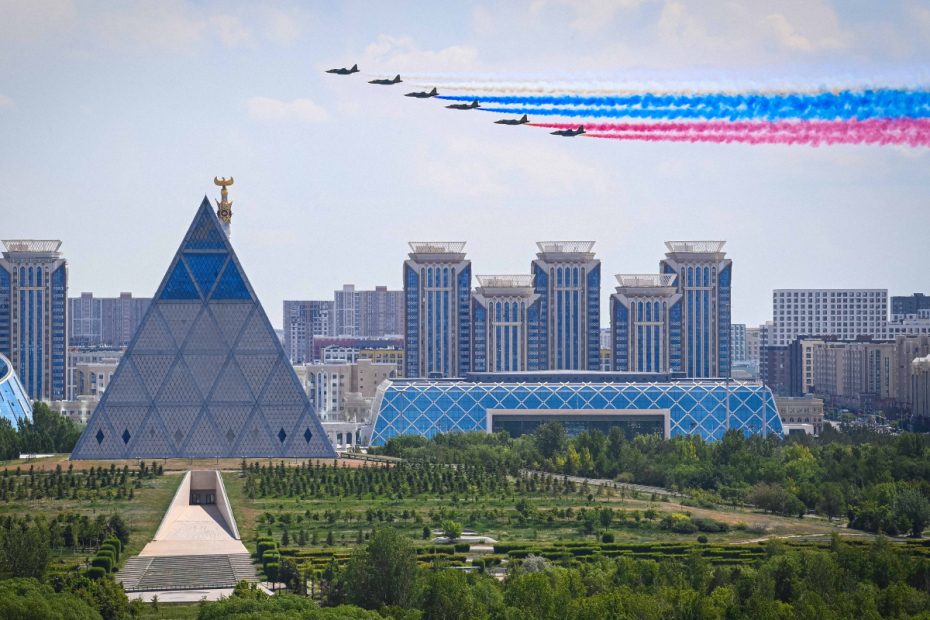
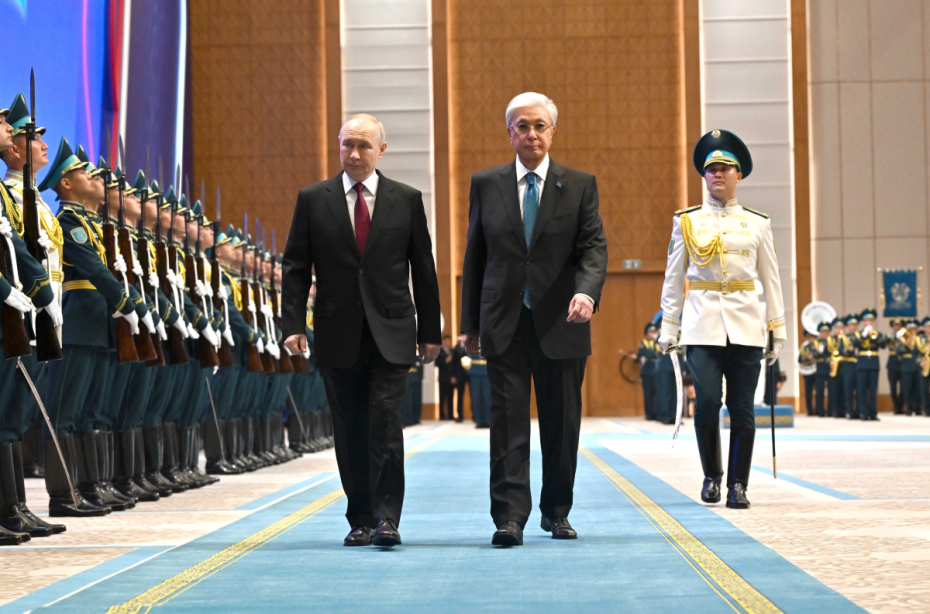
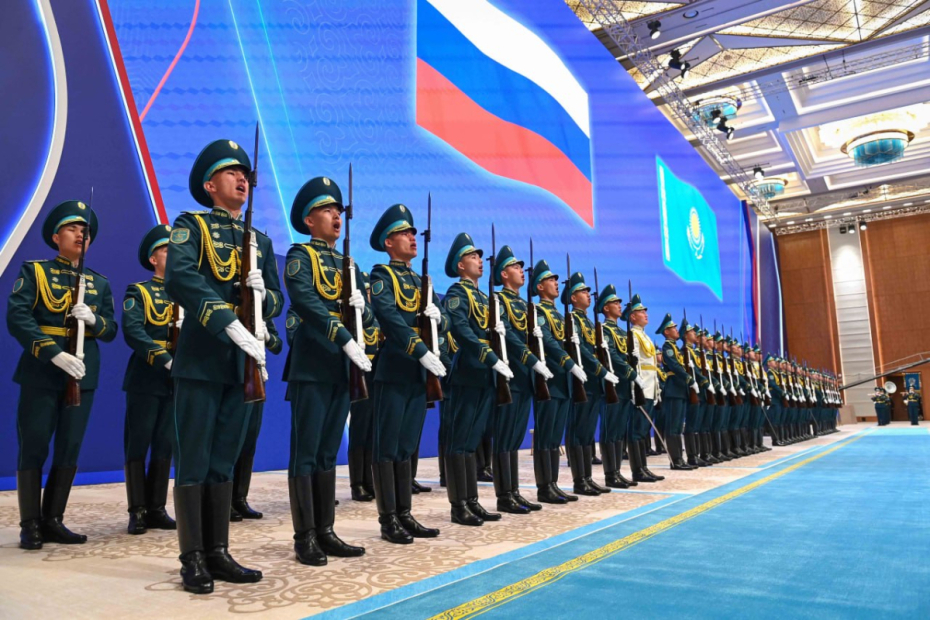
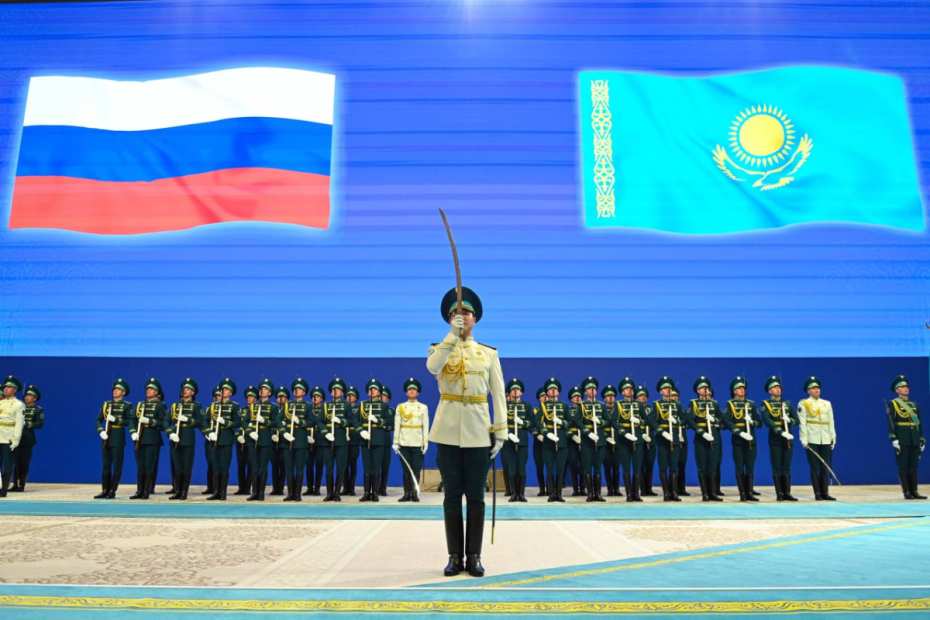
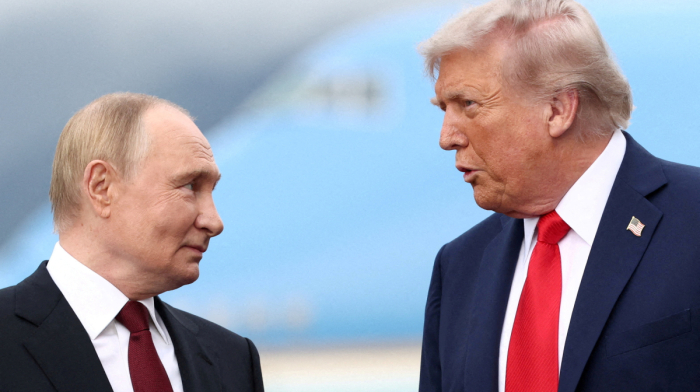
Russian President Vladimir Putin arrived in Astana for a state visit and held talks with Kazakh President Kassym-Jomart Tokayev at the Independence Palace on trade, investment and energy cooperation.
The visit marked Putin’s second state visit to Kazakhstan, an unusual move under diplomatic protocol. Kremlin aide Yuri Ushakov said the format was proposed by Kazakhstan to underline what he described as the “unprecedentedly high level” of relations between the two countries.
Economic cooperation featured prominently during the talks. Russia remains one of Kazakhstan’s key trade and economic partners. Bilateral trade exceeded $28 billion last year and is expected to surpass $30 billion in the near future, according to Tokayev.
Tokayev said Russia’s role in Kazakhstan’s economic development was “difficult to overestimate” and noted that Russian direct investment in the country had reached $29 billion. The two countries are jointly implementing 177 projects worth an estimated $53 billion.
Putin said seven investment projects were already underway and described them as only the beginning of broader cooperation.
Nuclear power plant agreement signed
Fifteen bilateral documents were signed during the visit, including a joint statement outlining seven principles of friendship and good neighbourly relations between the peoples of the two countries.
Kazakhstan and Russia also signed an agreement on cooperation for the construction of Kazakhstan’s first nuclear power plant in Balkhash.
The document was signed by Almassadam Satkaliyev, head of Kazakhstan’s atomic energy agency, and Rosatom chief executive Alexey Likhachev.
According to officials, the agreement sets out the main terms of cooperation and financing mechanisms for the project, including a planned Russian export loan worth $16.5 billion.
Oil and gas cooperation expanded
Kazakhstan’s Energy Minister Yerlan Akkenzhenov and Russia’s Energy Minister Sergey Tsivilyov signed an intergovernmental agreement to expand cooperation in the oil sector.
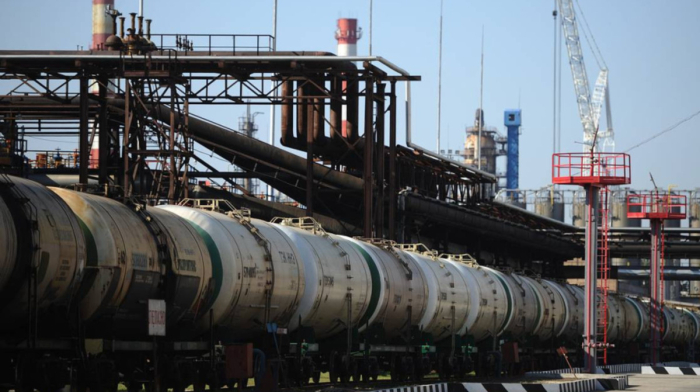
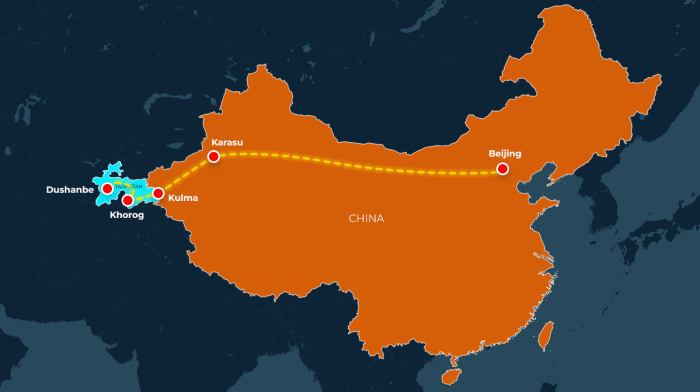
Akkenzhenov said the agreement included plans to increase Russian oil transit to China through Kazakhstan by 2.5 million tonnes. He said additional pumping stations and pipeline expansion would be required to increase supplies along the route.
The two sides are also discussing a possible gas pipeline connecting Russia and China through Kazakhstan.
Akkenzhenov said discussions had begun on a route linked to the proposed Power of Siberia 2 project, which could transport up to 35 billion cubic metres of gas annually.
Putin is also expected to take part on Friday (29 May) in a meeting of the Supreme Eurasian Economic Council, where leaders of member states will discuss future cooperation and key integration projects.













What is your opinion on this topic?
Leave the first comment