Two days inside Uzbekistan’s newsrooms, hospitals, factories and technology hubs reveal a country eager to show how it is changing — while that transformation is still under way.
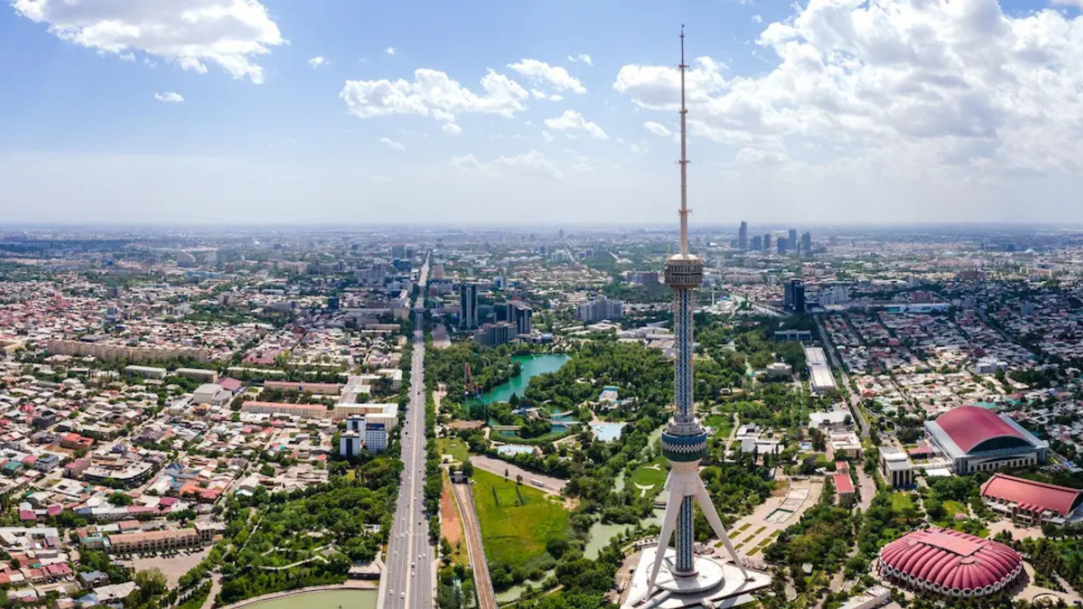
Tashkent does not reveal itself in one frame.
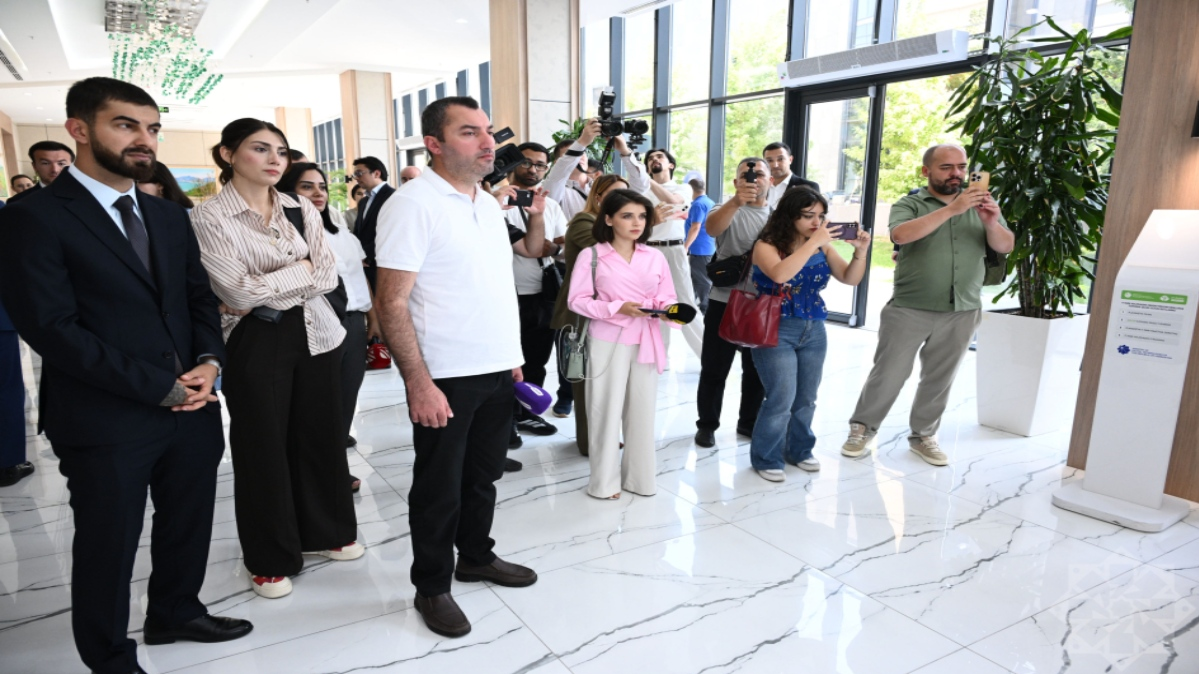
One morning begins inside a government-backed media centre. By afternoon, we are walking through a children’s hospital. Before the day is over, there is tea at Chorsu Bazaar.
The next morning brings copper, lifts, solar collectors and a technology park talking in billions.
It can feel disconnected. It isn’t.
Across two days, the same message kept returning: Uzbekistan wants to be seen not only through its history, but through what it is building now.
First, the storytellers
The first full day began at Uzbekistan’s Media Content Preparation Centre under the Presidential Administration. The institution was created in July 2025, but its ambition is already broad: to produce and coordinate media content, train people for a digital environment and help shape how Uzbekistan speaks to audiences at home and abroad.
The walls made the strategy easier to understand than any presentation. FikrLab. Media Start. Qisqasi. Shifo. Projects aimed at young journalists, short-form news, health information and cultural storytelling. Different subjects. Different audiences. Different formats.
That matters because digitalisation is not simply television moved onto a phone. The pace changes. The language changes. So does the competition for attention.
During the visit, we also met leaders from Uzbek media organisations. Jahongir Abdurakhmonov, the centre’s deputy director, said its role is not to regulate the sector but to stimulate it. He also pointed to plans for the first Tashkent Content Market in February 2027, which is expected to bring together representatives from film, television, animation and digital media from more than 50 countries.
" The official language is cooperation. The more interesting part is the comparison: what feels familiar, what feels different, and which problems journalists on both sides are actually trying to solve. "
- Alisultan Sultanzade, AnewZ
From content to care
A few hours later, the vocabulary changed completely: from reach, platforms and storytelling to radiology, oncology and surgery.
At Uzbekistan’s National Children’s Medical Center, we were told the 280-bed facility includes 12 inpatient departments and 10 additional service units. In 2024, it became the first state medical institution in Uzbekistan to receive Joint Commission International accreditation. The centre has also carried out the country’s first bone marrow transplant.
The stop was less visually loud than a newsroom or a factory. It did not need to be. Hospitals reduce big policy words to a simple question: what can actually be done for a patient when the case becomes difficult?
Then Tashkent stopped giving presentations
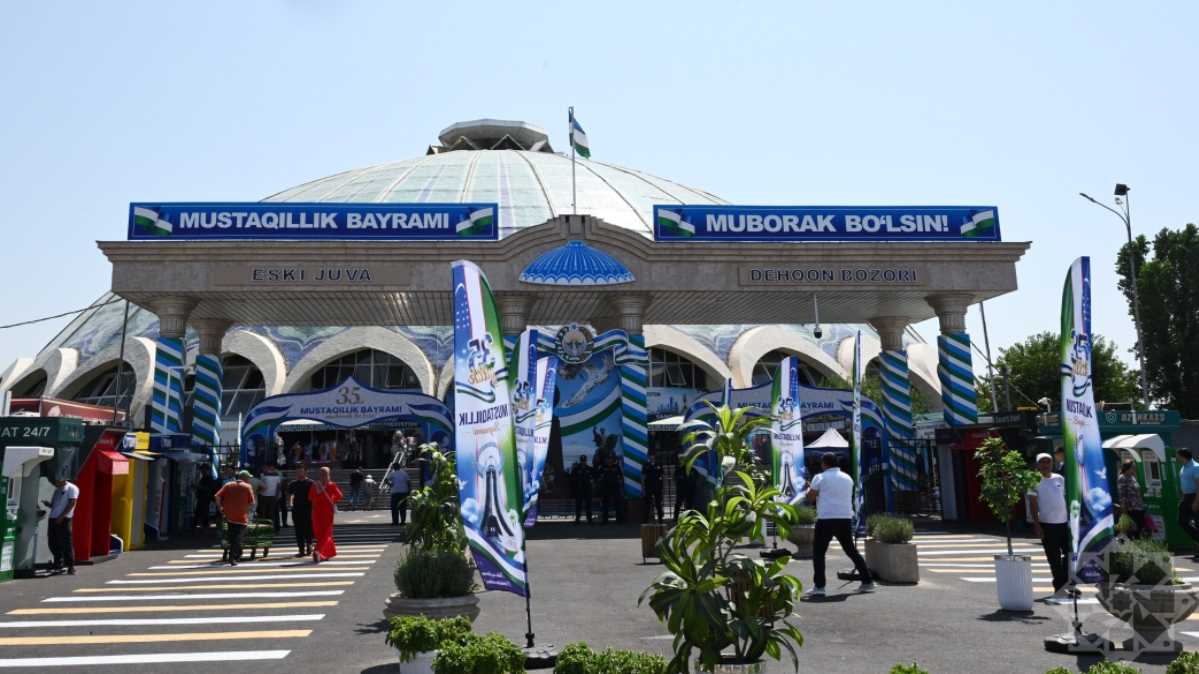
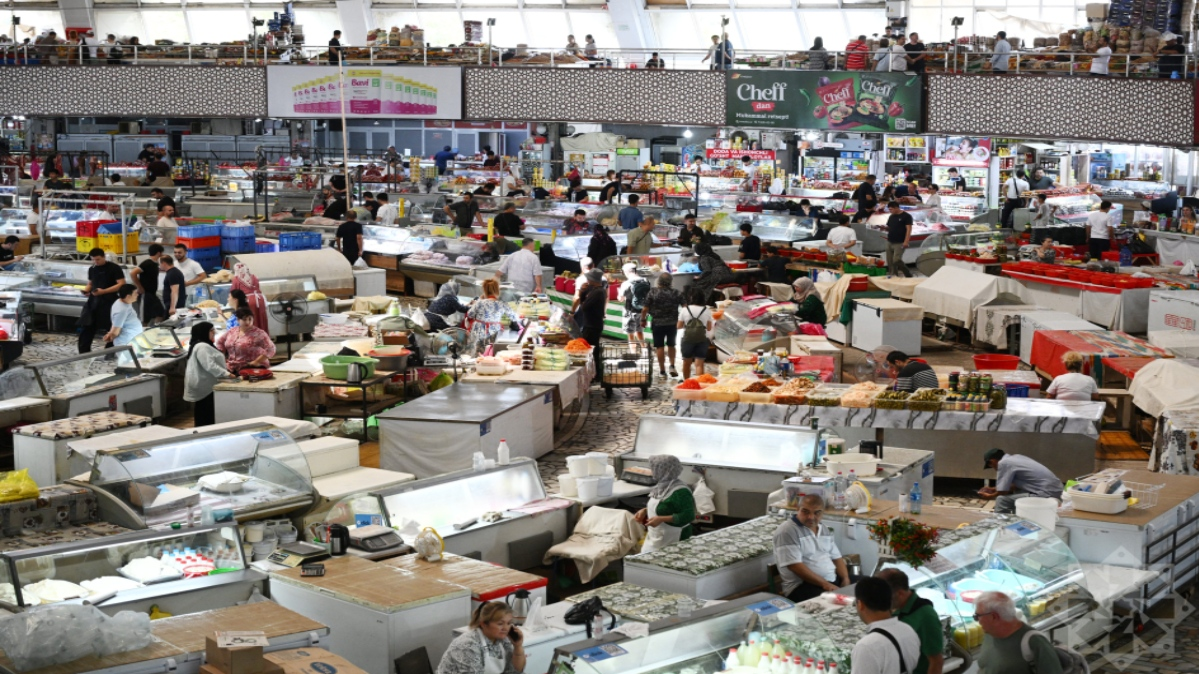
Chorsu Bazaar needed no briefing.
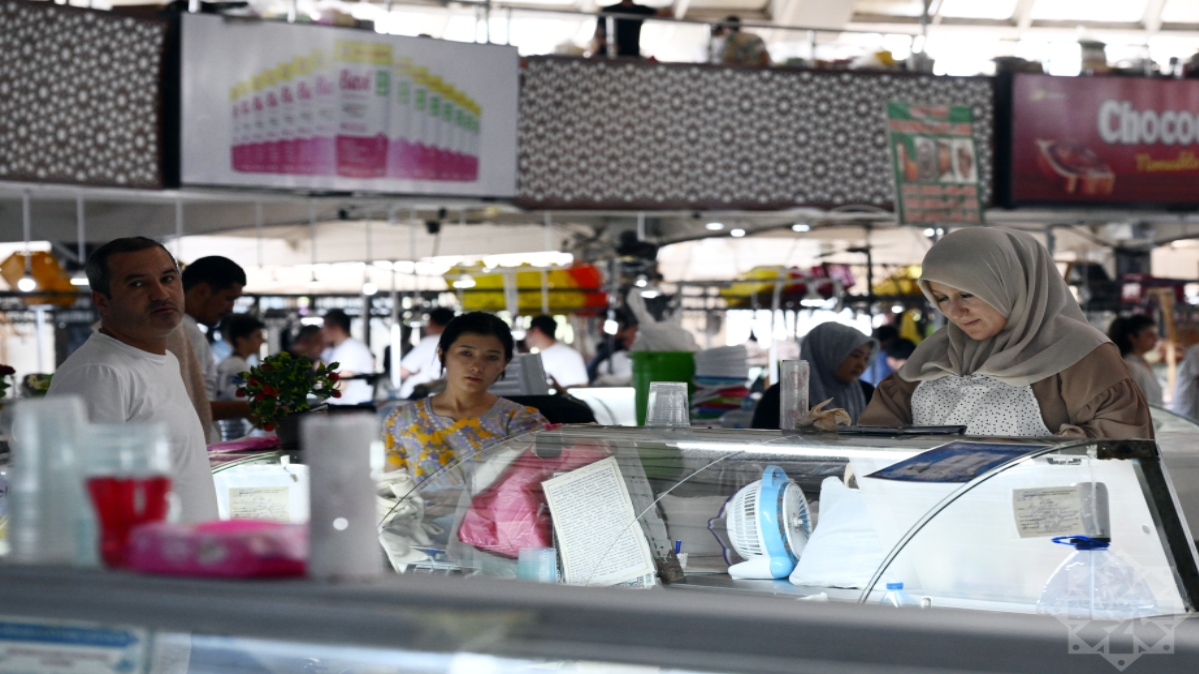
I bought macadamia nuts. We were handed the tea everyone insisted we should try. Then came the bread — hot, heavy patir non, with some loaves weighing close to a kilogram.
The market has a strange effect on an official press tour. The programme disappears for a moment. People bargain. Sellers offer samples. Cameras become less formal. The city becomes personal.
Many of the flavours are familiar to an Azerbaijani palate, but not identical. Familiarity without sameness. That may be one of the simplest ways to understand the cultural closeness between the two countries.
The next morning was metal
TEXNOPARK is the opposite of subtle. Established in 2019, the industrial complex now brings together 18 projects valued at about $465 million, with production capacity estimated at $1 billion. More than 4,000 people work there.
Gas meters, refrigerators, industrial cooling systems, lifts and escalators, pumps, radiators, washing machines, copper tubes, solar collectors, insulation materials and even golf carts: the point is not any single product. It is the range.
Inside, copper appeared in almost every form. There were machines I could barely identify. At one point, we entered the lift-testing tower, which staff described as a unique facility in the region. That is where the word “industrialisation” stops sounding like a policy document and becomes noise, steel and motion.
There is already a direct link with Azerbaijan. TEXNOPARK says it exports roughly 12,000 to 15,000 steel panel radiators to Azerbaijan each year and is in talks over possible supplies of lifts, escalators and climate-control equipment.
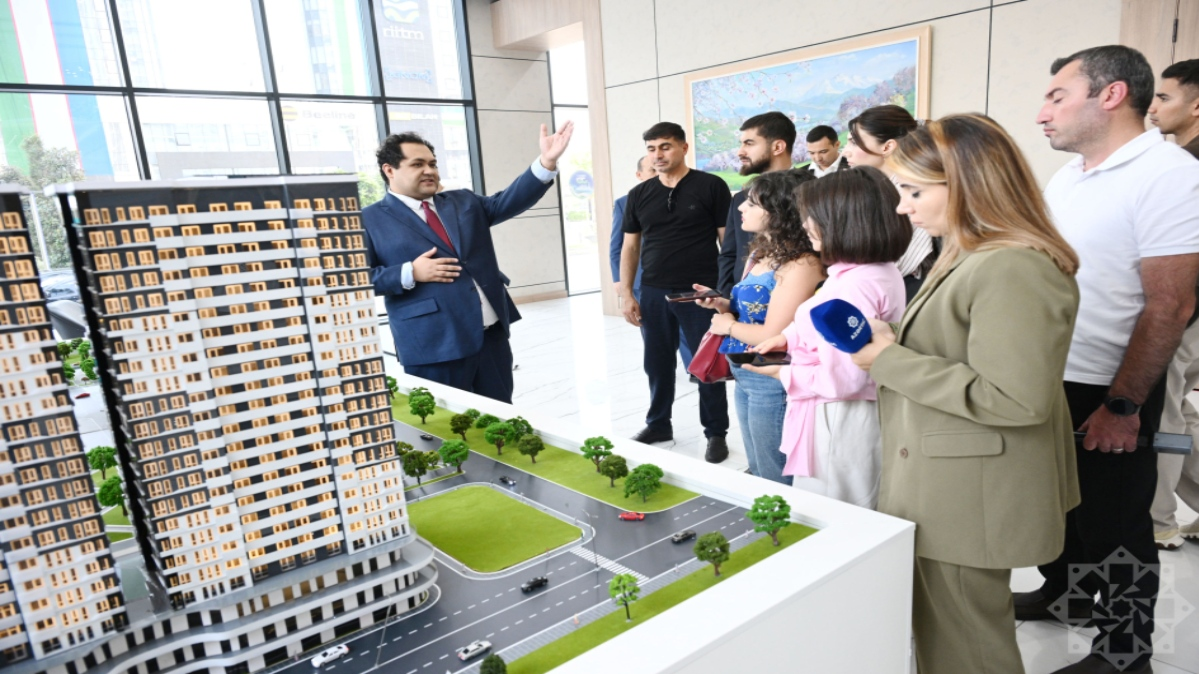
Between TEXNOPARK and the next technology stop, the route also took us past the Olympic Village and Yangi Uzbekistan Park - more pieces of the same visual language: scale, infrastructure and a country keen to show what is new.
If TEXNOPARK makes things, IT Park moves them without a truck
At IT Park Uzbekistan, the product is less visible, but the ambition is even easier to quantify.
The ecosystem says it now connects around 3,800 technology companies and works with firms from 104 countries. More than 1,000 of its companies are export-oriented, and more than 1,000 are foreign. Uzbekistan’s technology firms are reported to export more than $1 billion in digital services to over 100 countries.
The pipeline behind those numbers is just as deliberate: 145 IT universities, more than 500 IT centres and more than two million people trained through the One Million Uzbek Coders programme. The country’s start-up ecosystem is valued at more than $4.3 billion and includes two unicorn companies.
The figures are impressive. But figures are not an ecosystem by themselves. The real test is whether training becomes companies, companies become exports, and state support eventually produces businesses that no longer need protection.
Still, the direction is difficult to miss. Uzbekistan is treating digital services not as a side sector, but as an export industry.
From code to manuscripts
Then, almost without transition, the day moved from code to manuscripts.
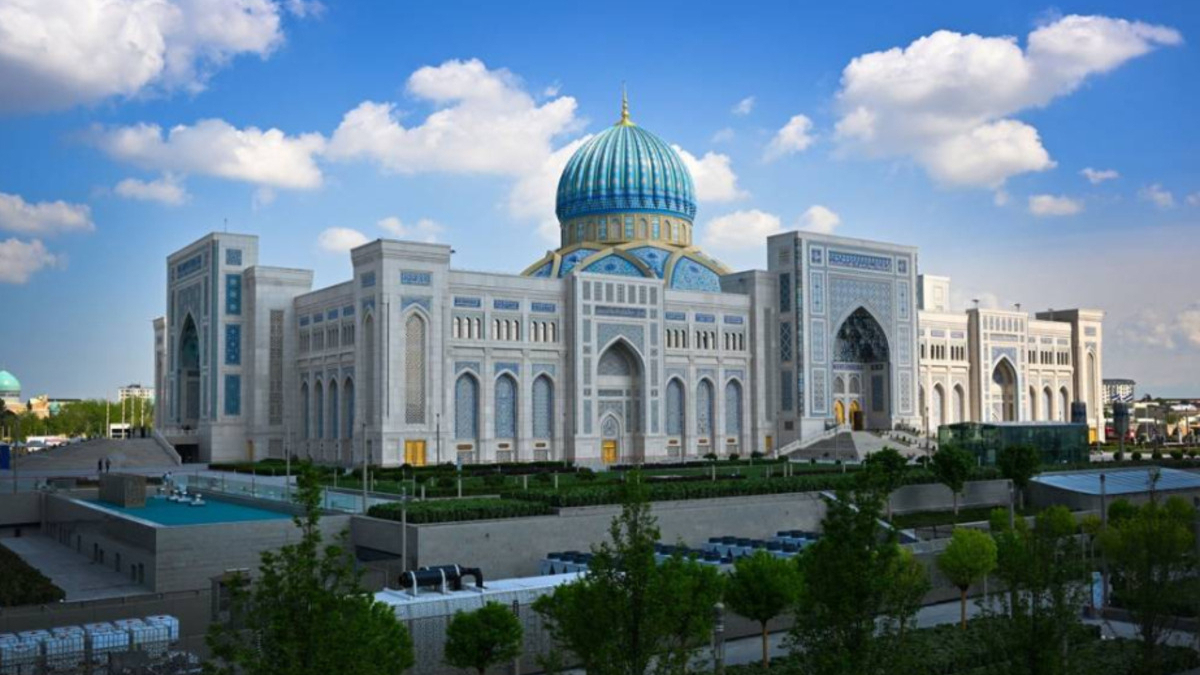
The Center of Islamic Civilization presents a different version of the same national argument. Here, modern technology is not used to escape the past, but to make the past legible again. Interactive displays sit beside manuscripts and artefacts; digital avatars introduce more than 100 scholars and thinkers; the museum’s Qur’an Hall is built around the historic Uthman Qur’an.
In April 2026, the centre was recognised by Guinness World Records as the world’s largest museum of Islamic civilisation. The scale is striking. More interesting is the idea behind it: history is being treated as something to curate, digitise and project forward, not simply preserve behind glass.
In a single afternoon, Tashkent took us from start-up valuations to centuries-old scholarship. That contrast sounds dramatic. Here, it appears deliberate.
What two days can - and cannot - tell you
Two days are not enough to judge a country’s transformation. Flagship projects are designed to impress, and press tours are curated by definition. That is precisely why the interesting part lies between the official stops: what feels lived, what feels staged, and what keeps appearing without being prompted.
So far, Tashkent’s message is consistent. Build more at home. Digitise faster. Train younger. Show history differently. Export not only goods and services, but an image of the country itself.
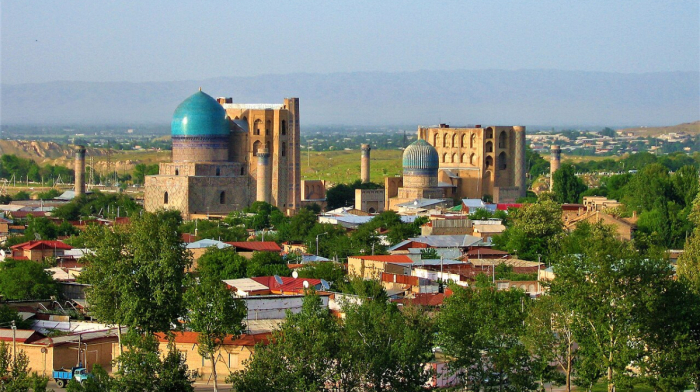
Next comes Samarkand.
And there, the question changes: what happens when a country with one of the region’s oldest identities tries to make history part of its future economy?











What is your opinion on this topic?
Leave the first comment