Pakistan and Afghanistan have traded fresh accusations over alleged militant activity in Afghanistan’s northeastern Nuristan province as tensions between the two neighbours escalate.
The dispute comes amid renewed tensions along the border, with cross-border attacks, Pakistani airstrikes and diplomatic protests deepening the rift between Islamabad and Kabul.
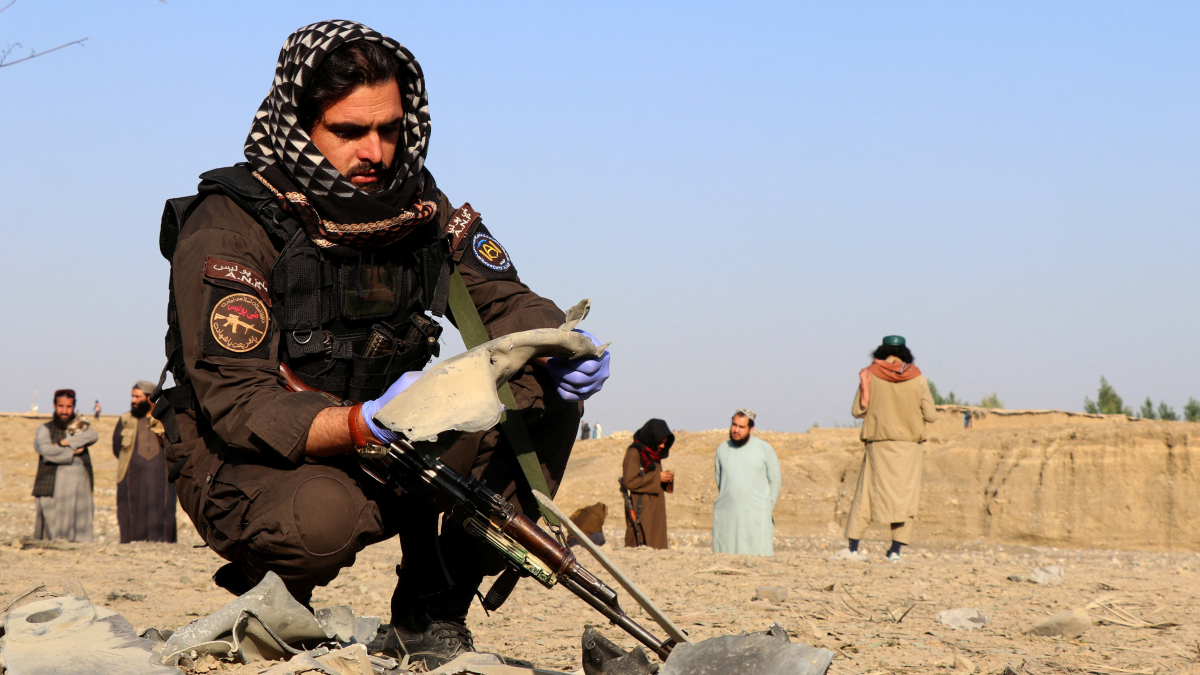
The latest allegations follow clashes reported in Nuristan's Kamdesh district on Saturday. Afghanistan’s Defence Ministry said its forces killed 28 fighters and captured 32 others.
It alleged that the fighters included Daesh-affiliated militants and former Afghan security personnel who had crossed from Pakistan with Pakistani support. The ministry said the remaining fighters fled back across the Durand Line.
Pakistan rejects Nuristan allegations
Pakistan’s Ministry of Information and Broadcasting rejected the allegations on Sunday, describing them as “frivolous, baseless and devoid of any truth”.
The ministry said Pakistan “categorically rejects” claims that its security forces or intelligence agencies were involved in clashes in Nuristan or elsewhere in Afghanistan.
It also rejected allegations that Pakistani agencies had recruited or trained former Afghan security personnel and denied facilitating Daesh or any other terrorist group operating in Afghanistan.
The ministry said “not a shred of evidence” had been produced to substantiate Pakistan’s involvement, citing a lack of identities, documents, communications, forensic evidence or independent verification.
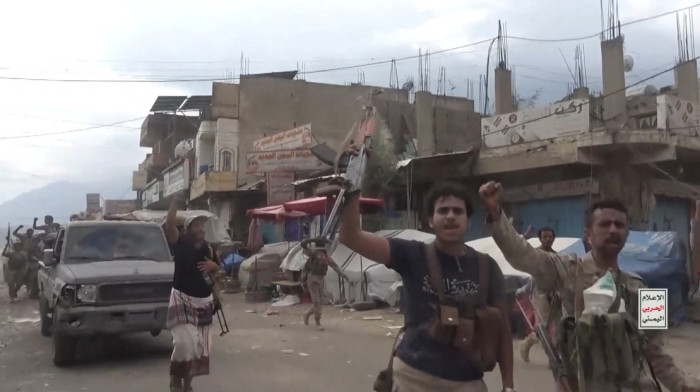
Pakistan also rejected a video circulated on social media as evidence of its involvement. The ministry said the footage showed only a few unarmed people who were not properly equipped and appeared to be part of a pre-planned video shoot.
The ministry said the presence and activities of terrorist groups inside Afghanistan had been documented in successive United Nations and other international reports.
It accused the Taliban authorities of attempting to “manufacture a Pakistani connection” to shift attention from what Pakistan described as the continued presence and growth of militant groups in Afghanistan.
The statement said it was “particularly ironic” for the Taliban authorities to accuse Pakistan of supporting terrorism while terrorist organisations operating from Afghanistan continued to pose a threat to Pakistan and regional security.
Pakistan urged Kabul to take “credible and verifiable action” against terrorist organisations operating from Afghan territory and called on the Taliban authorities to honour commitments that Afghan soil would not be used for terrorism against Pakistan or any other country.
The ministry also accused the Taliban authorities of using such claims to externalise internal dissent and referred to their treatment of women, children and minorities.
Border tensions intensify
The Nuristan dispute comes amid a fresh escalation in cross-border tensions that intensified last week.
Pakistan carried out airstrikes in Afghanistan on 21 September, saying they targeted terrorist hideouts following major attacks in Khyber Pakhtunkhwa. Islamabad said more than 28 militants were killed.
Days later, Pakistani security sources said eight drones launched from Afghanistan entered Pakistani airspace near Torkham and Kohat and were shot down. Pakistan said it subsequently carried out precision air and drone strikes on 10 locations in Afghanistan in response.
The Foreign Office also delivered a formal demarche to Afghanistan on 26 September over the alleged 23 September airspace violation.
Months of confrontation
The latest dispute follows months of confrontation between the two countries, with the current cycle of hostilities dating to February, when cross-border fighting followed Pakistani strikes inside Afghanistan.
Pakistan has continued to demand action against militant groups it says operate from Afghan territory, an accusation Kabul rejects. Afghanistan, in turn, has accused Pakistan of supporting armed groups inside the country - an allegation Islamabad categorically denies.















What is your opinion on this topic?
Leave the first comment