Uzbekistan is putting renewable energy, water security, waste management and climate-resilient cities at the centre of its growth strategy as it seeks to modernise infrastructure and attract green investment.
The country is expanding its environmental agenda, bringing renewable energy, water management, ecosystem restoration, waste, environmental monitoring and climate-resilient urban development more closely into its economic plans.
At the same time, Tashkent is strengthening international cooperation to attract investment, technology and specialised expertise, turning environmental policy into an increasingly important part of its development strategy.
Renewable energy gathers pace
The clearest progress has come in renewable energy. Uzbekistan generated seven billion kilowatt-hours (kWh) of electricity from renewable sources in the first seven months of 2026, up 23 per cent year on year.
The country operates 21 renewable energy facilities with a combined capacity of 5,602 megawatts (MW), including 15 solar plants with 3,930 MW and six wind farms with 1,672 MW.
Renewable generation has risen sharply, from 576.9 million kWh in 2023 to 4.9 billion kWh in 2024 and 10.5 billion kWh in 2025. More than 23.4 billion kWh was generated from renewable sources between 2022 and July 2026.
The Energy Ministry says the expansion has saved about 6.24 billion cubic metres of natural gas and prevented around 13.46 million tonnes of pollutants from entering the atmosphere.
The growth of renewables is also easing pressure on gas supplies while creating demand for new power generation and transmission infrastructure.
International financing remains central. The European Bank for Reconstruction and Development's energy portfolio in Uzbekistan has reached nearly $2 billion, covering renewable energy, transmission infrastructure and electrification projects.
Water security takes priority
Water security is another major focus, particularly as nearly 80 per cent of Uzbekistan's water resources originate outside its borders.
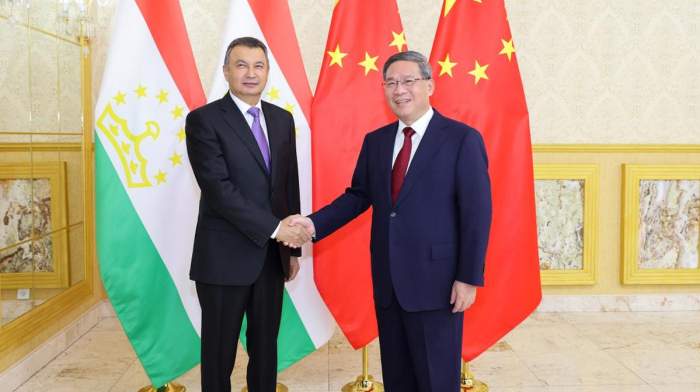
Uzbekistan and Chinese partners have discussed upgrading water and sanitation systems, modernising wastewater treatment and introducing digital technology to improve efficiency. Cooperation also includes water-saving irrigation and training for Uzbek specialists.
In Surkhandarya, a 5,000-hectare pistachio plantation project is planned as part of efforts to restore ecosystems and increase carbon absorption.
Regional cooperation is also growing. Environmental authorities from Kazakhstan, Kyrgyzstan, Tajikistan, Turkmenistan and Uzbekistan signed a letter of intent in June to implement the $26 million Central Asia Water and Land Nexus programme, financed by the Global Environment Facility.
The programme focuses on restoring degraded ecosystems, strengthening water security and promoting climate-resilient agriculture. Uzbekistan's priorities include restoring forests and wetlands along the Amu Darya, planting vegetation on the dried Aral Sea seabed and rehabilitating degraded pastures.
Desertification and waste draw investment
Uzbekistan is also stepping up efforts to tackle desertification and degraded land, including through cooperation with China on land restoration and sustainable forestry.
Authorities are exploring stronger early-warning systems for sand and dust storms, alongside drought monitoring, remote sensing and climate forecasting.
Waste management is also emerging as a significant infrastructure sector. Two waste-to-energy plants are expected to launch in 2026, with nine more planned over the following two years.
Together, the projects are expected to process up to 5.5 million tonnes of waste annually and cut greenhouse gas emissions by about 1.1 million tonnes.
ACWA Power is involved in a $260 million project to establish a modern hazardous industrial waste management complex, as Uzbekistan seeks more international expertise in the sector.
Cleaner air and resilient cities
Air quality is becoming another priority. Uzbekistan and Kazakhstan have agreed to strengthen cooperation on monitoring air pollution and reducing pollution that crosses their shared border, including monitoring PM10 and PM2.5 concentrations.
Uzbekistan is also implementing its Clean Air initiative, which includes emissions filtration systems and an environmental vehicle sticker scheme. Cooperation with Japan could bring more advanced monitoring, forecasting and early-warning technology under the 2026-2030 programme.
Rapid urbanisation is adding another dimension. Uzbekistan and Japan have discussed improving the resilience of Central Asian cities to climate change and natural disasters through early-warning systems, disaster preparedness, seismic safety and flood planning.
Cooperation with UN-Habitat is meanwhile focused on energy-efficient housing, infrastructure, social inclusion and sustainable urban planning, including a pilot project in Samarkand.
Green finance backs expansion
Financing will be critical to delivering Uzbekistan's environmental ambitions.
During the 2026 Global Environment Facility Assembly and Eco Expo Central Asia, Uzbekistan secured agreements on national and regional projects worth more than $50 million in grants.
The exhibition also attracted $80 million in grants and more than $520 million in green investment, with around 300 agreements signed in areas including renewable energy, water management and waste recycling.
Uzbekistan's targets include planting one billion trees and shrubs, expanding protected areas to 21 per cent of its territory, increasing waste recycling to 40 per cent and reducing pollutant emissions.
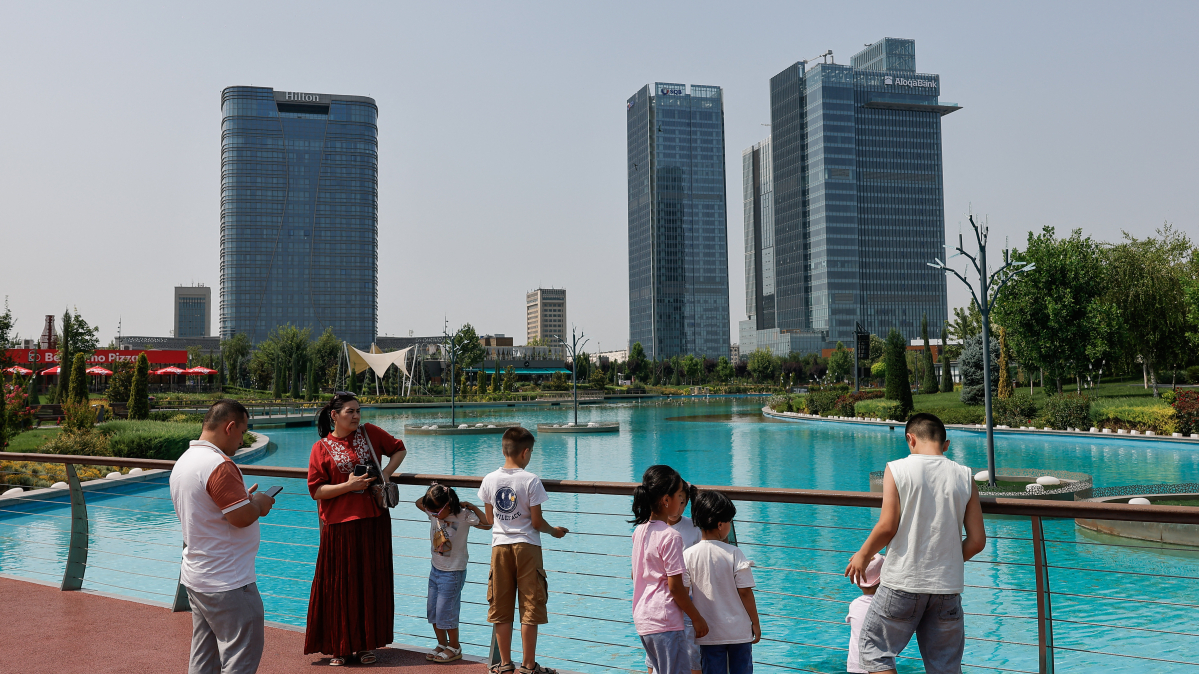
The growing pipeline of projects shows how environmental policy is becoming closely tied to Uzbekistan's wider economic strategy. The challenge now is turning investment and agreements into infrastructure and measurable gains in water efficiency, air quality, recycling, land restoration and climate resilience.

















What is your opinion on this topic?
Leave the first comment