Syria says it assured Israel that Türkiye had no plans to establish a military presence at the Abu al-Duhur airbase before Israeli forces struck the site on Tuesday.
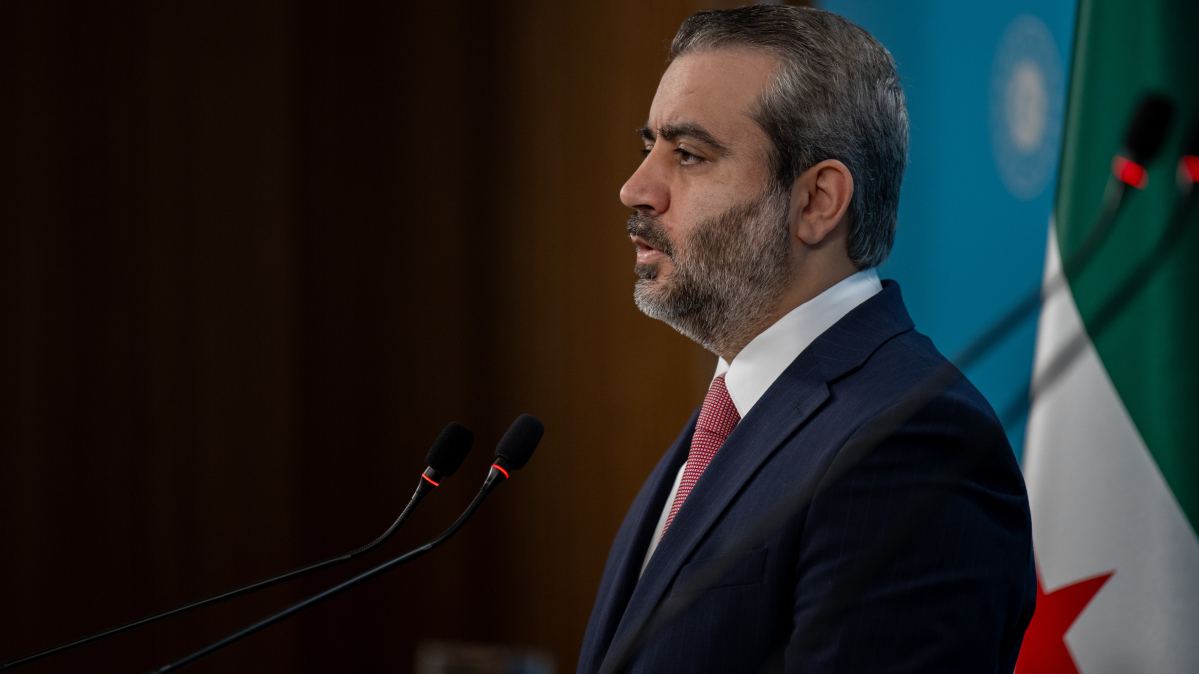
Syria’s Foreign Minister Asaad al-Shaibani said in an interview with Axios on Wednesday that Turkish military officers had visited the airbase in north-western Syria as part of training activities and broader military cooperation, but denied Ankara was building up forces at the site.
He said Damascus had notified Israel beforehand that there were no plans to establish a Turkish military presence at the facility and that Syrian authorities remained open to talks with Israel aimed at de-escalating tensions.
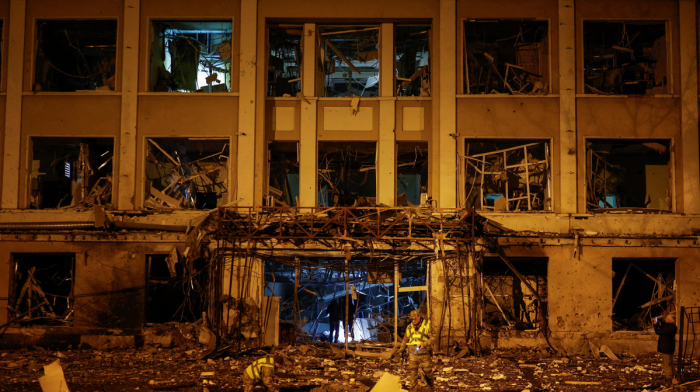
Israel carried out multiple airstrikes on the Abu al-Duhur airbase on Tuesday, damaging its runway and other facilities but causing no reported casualties.
Israeli Prime Minister Benjamin Netanyahu said on Wednesday that Israel had warned Syria ahead of the attack not to permit Turkish forces to establish a presence at the base, saying such a deployment would violate an agreed-upon security “status quo”.
Türkiye later rejected what it called Israel’s “untenable allegations” about its military presence in Syria.
The dispute escalated on Thursday when Israeli Defence Minister Israel Katz accused Turkish President Recep Tayyip Erdoğan of “dragging Türkiye into dangerous adventures in Syria,” adding that Israel would “not allow any entity to threaten its security.”
Deepening Türkiye-Syria ties
The tensions come as Ankara expands its political, military and economic engagement with Syria’s new leadership following the fall of Syrian President Bashar al-Assad in late 2024.
The deepening ties were underlined on Wednesday when Turkish Energy Minister Alparslan Bayraktar visited Damascus, where he said Türkiye was ready to help Syria search for oil and natural gas.
Speaking alongside his Syrian counterpart, Bayraktar said the state-owned Turkish Petroleum Corporation, along with private Turkish firms, was prepared to carry out seismological surveys and exploratory drilling both onshore and offshore in Syria.
He also announced plans for joint electricity infrastructure projects that are expected to be commissioned in the coming weeks.
The projects are aimed at tripling the total electricity transmission capacity between Türkiye and Syria to more than 800 megawatts, Bayraktar said.
The moves highlight Ankara’s growing role in Syria’s reconstruction and security landscape, as tensions between Türkiye and Israel become increasingly pronounced.











What is your opinion on this topic?
Leave the first comment