The World Health Organization (WHO) says ongoing conflict, funding pressures and international travel restrictions are complicating efforts to contain a fast-growing Ebola outbreak in the Democratic Republic of Congo (DRC).
More than 1,000 suspected cases and over 240 suspected deaths have been reported in the DRC since the outbreak was declared on 15 May. The outbreak, caused by the rare Bundibugyo strain of Ebola, has already spread across multiple provinces and into neighbouring Uganda.
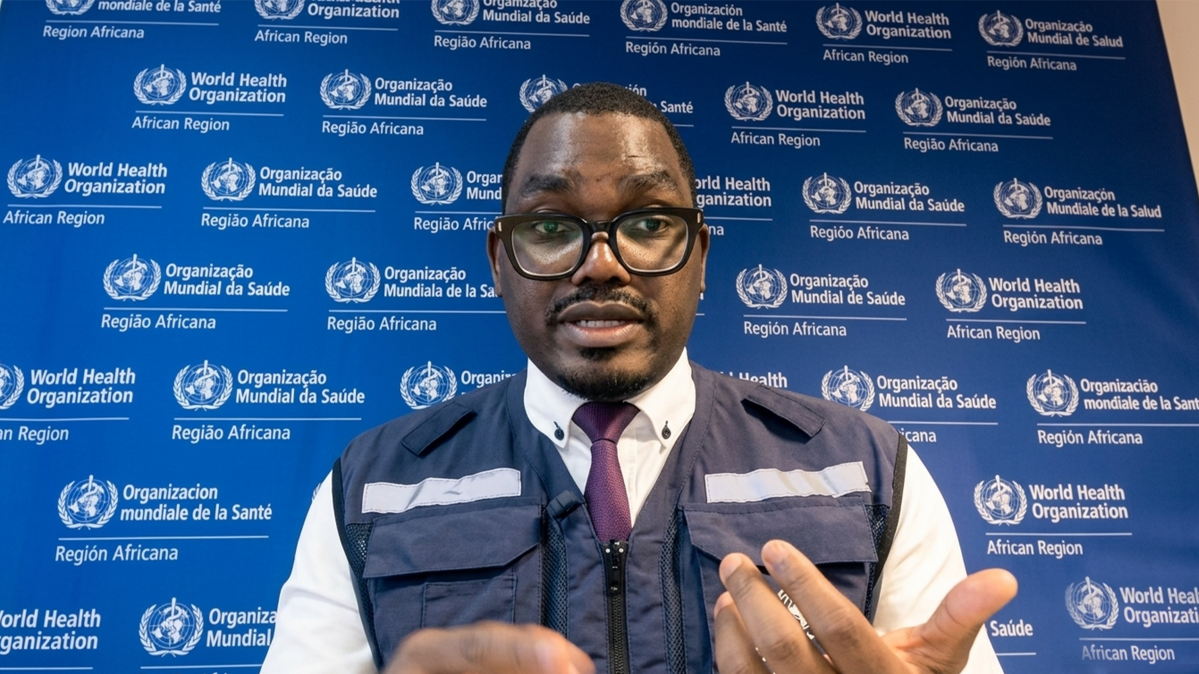
Speaking to AnewZ from Congo-Brazzaville, Dr. Patrick Otim, Programme Area Manager for Emergency Response at the WHO Regional Office for Africa, said the outbreak is expanding rapidly but health authorities are intensifying efforts to contain it.
“As of today in DRC, we have had 121 confirmed cases with 17 deaths,” Dr. Otim said. “But we have also recorded over 1,077 suspected cases and among these suspected cases, 246 deaths have been recorded.”
He added that confirmed infections are currently spread across 13 health zones in three provinces.
“The disease has been spreading very fast, like our Director-General has said, and we are trying to play catch-up.”
Conflict and attacks disrupting response
The outbreak is unfolding in eastern Congo, where insecurity and armed conflict have made response efforts more difficult.
The WHO has already called for an immediate ceasefire, warning that violence is hampering surveillance, treatment and community outreach in affected regions.
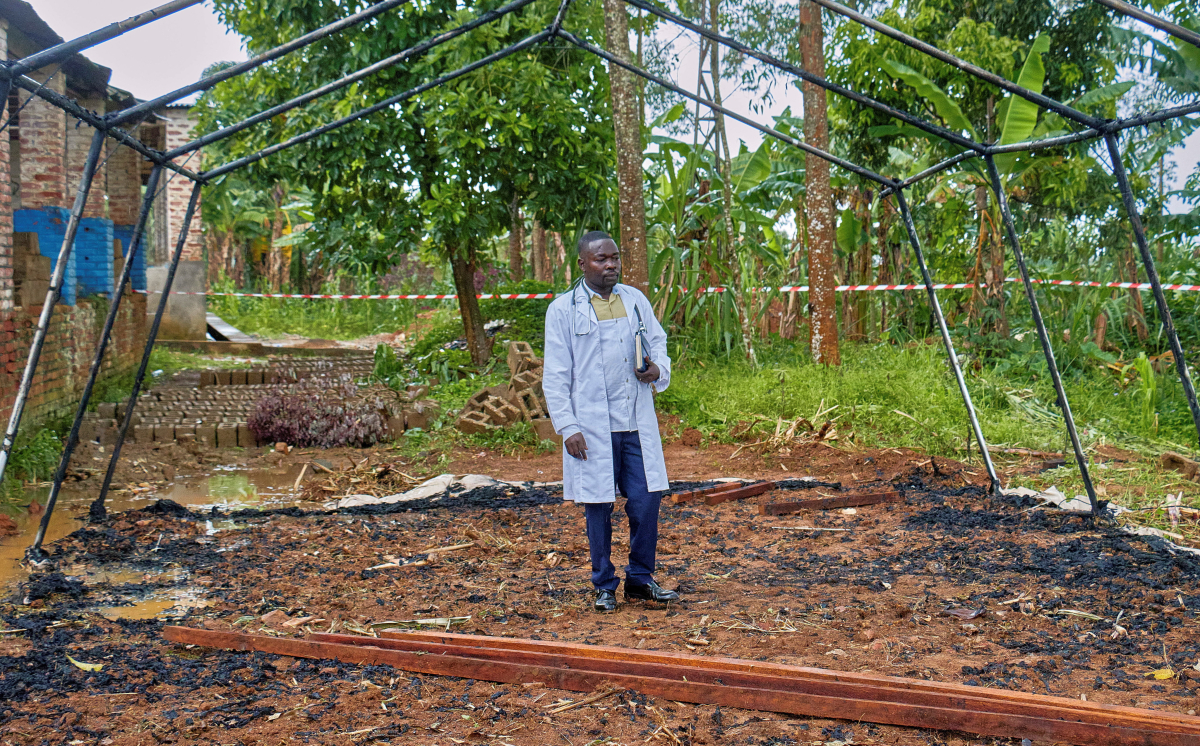
Dr. Otim confirmed that temporary Ebola treatment facilities had recently come under attack.
“There have been two attacks that have been recorded at the treatment facilities,” he said. “Ebola outbreak is always associated with a lot of emotions, fear and misinformation.”
"So this outbreak, the only challenge this time was that it was detected a little bit late. It's an area which is insecure."
Dr. Patrick Otim, WHO Programme Area Manager for Emergency Response
He said the WHO and its partners were now intensifying community engagement with youth groups, women’s organisations and religious leaders to rebuild trust and prevent further violence.
“In the last four or five days, we have not had any new incident since the last one that happened,” he said.
No approved vaccine for the Bundibugyo strain
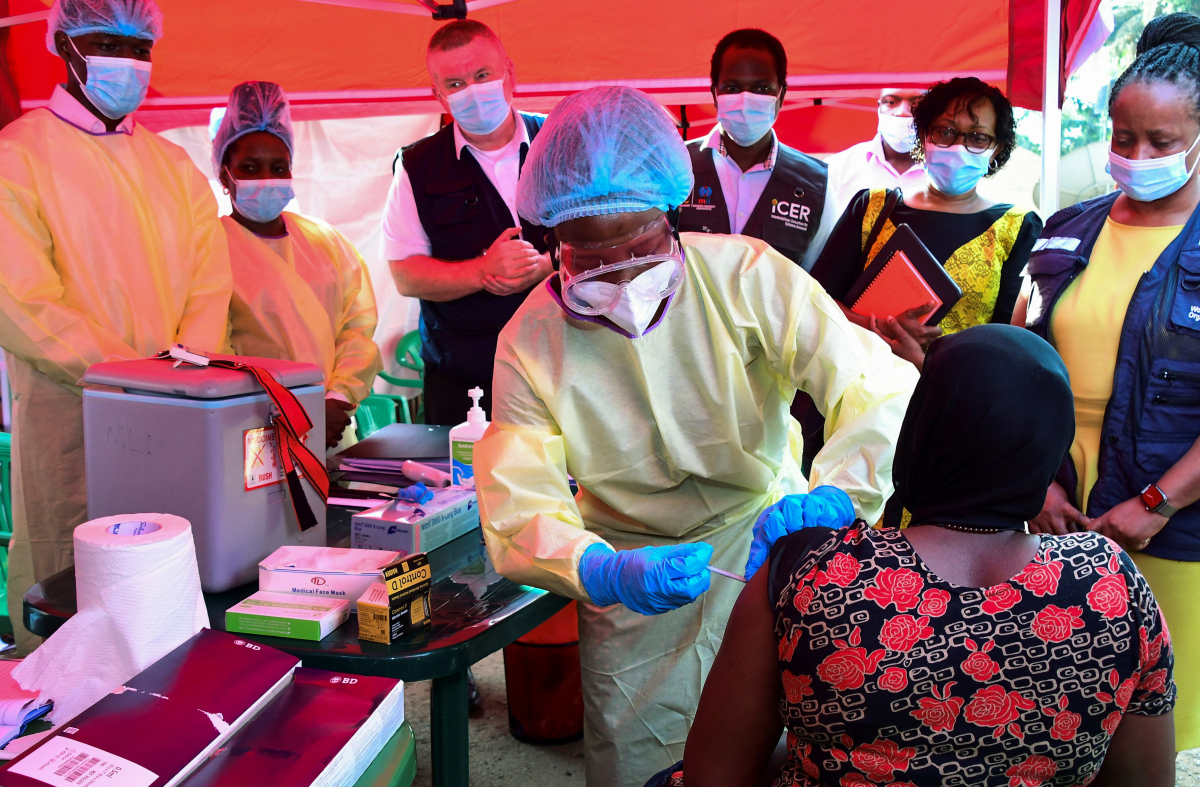
Unlike the more common Zaire strain of Ebola, there is currently no approved vaccine for the Bundibugyo strain.
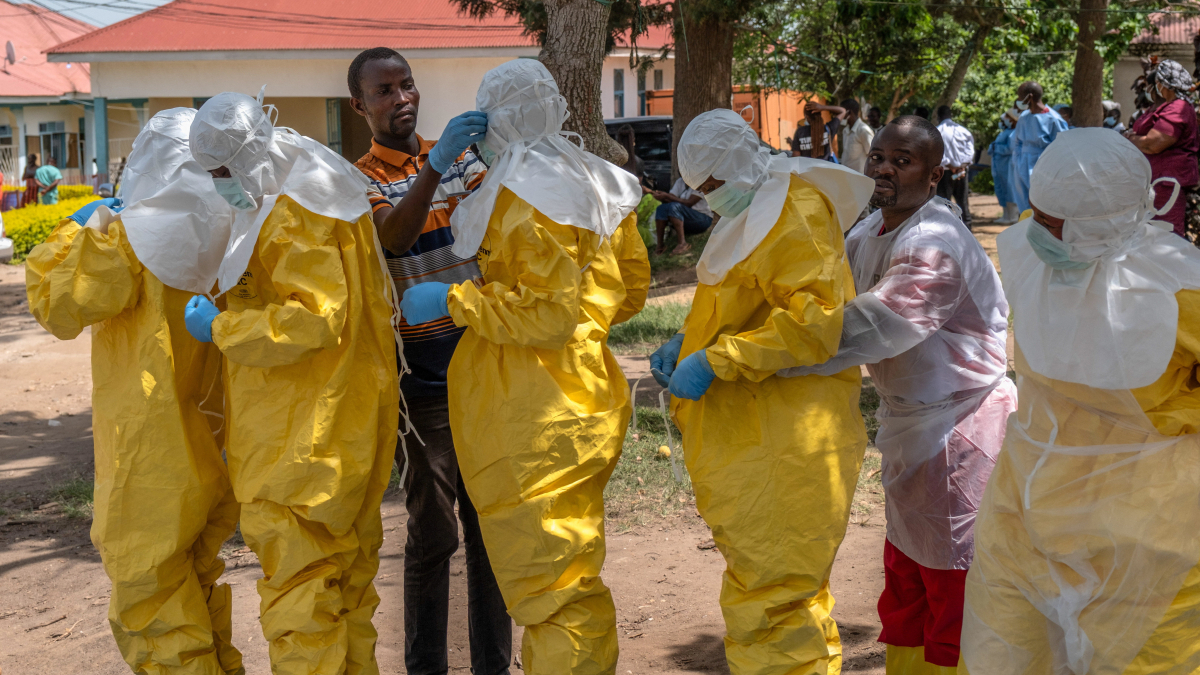
Dr. Otim explained that the absence of a vaccine has forced health workers to rely heavily on contact tracing and surveillance.
“If we had a vaccine like we had for the Zaire species, we would then go quickly with the vaccine,” he said.
Instead, authorities are carrying out a “painstaking epidemiological investigation” to identify and monitor contacts for 21 days.
“It makes the work a little bit difficult. It also makes it more resource-intensive,” he added.
The WHO says laboratory testing has also been slowed by limited diagnostic capacity. Current testing platforms can only process a small number of samples each day, though additional mobile laboratories are now being deployed.
“We do agree that the turnaround time for the lab samples has not been as fast as we want it to be,” Dr. Otim said.
Funding shortages and travel bans
The outbreak comes amid broader global funding pressures affecting humanitarian and public health operations.
Dr. Otim acknowledged that recent reductions in international health funding had affected both governments and operational partners, but said emergency response efforts were still being prioritised.
“The overall global reduction in funding has impacted across the board,” he said.
The WHO has appealed for $115 million to support operations in the DRC, Uganda and 10 neighbouring countries considered at high risk of spread, including Rwanda, Burundi, Kenya, Tanzania and South Sudan.
The WHO Director-General released $3.9m from the organisation's Contingency Fund for Emergencies within the first two days of the outbreak being confirmed. The UK government, through the FCDO and Germany have also contributed funds.
According to Dr. Otim, only around 10% of the required funding has so far been mobilised.
He warned that international travel bans and flight restrictions could further complicate the response by disrupting the delivery of protective equipment and medical supplies.
On travel bans introduced by the United States, Canada and the Bahamas, Dr. Otim was measured but direct. "When we have blanket travel bans, it makes it very difficult to get the supplies and the resources that are needed into the country," he said. "It prolongs the outbreak - and that's what the Director-General and the IHR Emergency Committee have advised against."
Balancing public health and local traditions
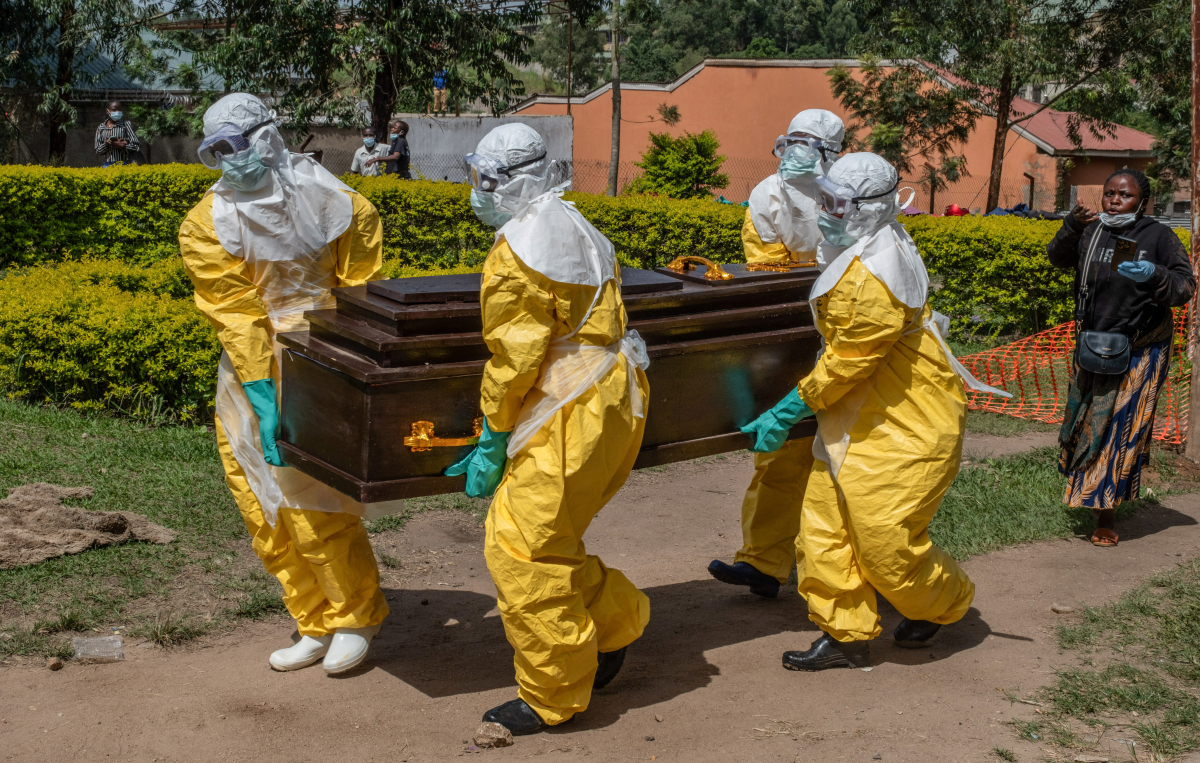
Health officials are also trying to balance strict infection prevention measures with local cultural and religious practices, particularly around funerals.
Dr. Otim said the WHO now uses “safe and dignified burial” teams that work directly with local communities and religious leaders.
“The family will be allowed to stand at a safe distance, to be able to offer last prayers,” he said.
He warned that unsafe funerals have historically acted as “super spreaders” during Ebola outbreaks.
‘No need for panic’
Despite growing international concern, Dr. Otim stressed that the outbreak is not another COVID-19-style pandemic.
“There is no need for panic,” he said. “We know what should be done as public health workers to control this outbreak.”
He noted that this is the 17th Ebola outbreak in the DRC and the eighth in Uganda, giving health authorities significant experience in outbreak management.
“What we need is solidarity and support for the very hardworking, resilient and professional experts that we have from DRC and from Uganda,” he said.
“We all ask for solidarity and support to contain the outbreak.”















What is your opinion on this topic?
Leave the first comment