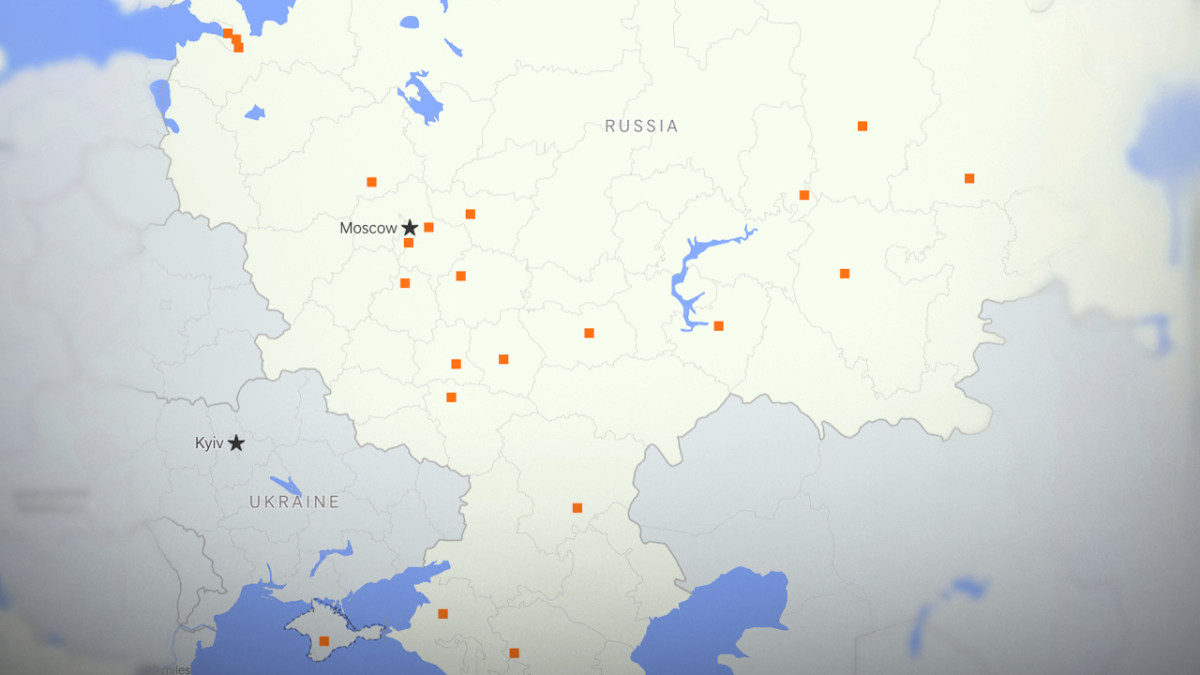
Ukraine has targeted at least 20 Wildberries warehouses across Russia since 18 July, disrupting a major logistics network. Kyiv says the strikes aim to disrupt alleged military-linked supplies, while the attacks have caused billions of dollars in losses and wider economic pressure.
When did the attacks begin?
The campaign began on 18 July, when drones struck Wildberries facilities in Elektrostal, east of Moscow, and in Kotovsk in the Tambov region.
The attacks subsequently spread from the Moscow and St. Petersburg areas to southern Russia and as far east as Yekaterinburg in the Urals, more than 2,000 km from Ukraine’s border.
By 11 August, Reuters reported more than 20 attacks on Wildberries warehouses. The campaign continued after that, including a major strike on a Wildberries warehouse in the Moscow region on 16 August.
Another strike on 18 August hit one of the retailer's sites near Moscow according to the Regional Governor Andrei Vorobyov on Telegram.
Why is Wildberries important?
Wildberries is Russia’s largest online retailer and is often compared with Amazon.
The company says it processes about 20 million orders a day, with warehouses covering a combined area of around 3 million square metres. Its network connects hundreds of thousands of sellers with consumers across Russia.
Together with rival Ozon, Wildberries forms part of what the Kremlin calls Russia’s “platform economy”. Reuters reported that the two companies account for goods and services equivalent to about 8.5 per cent of Russia’s GDP and provide employment for around 4 million people.
Why is Ukraine targeting the warehouses?
Ukraine says Wildberries has a military connection.
Ukrainian officials have accused the company of handling dual-use goods and military-related equipment, including drone components and other technical products. Kyiv argues that disrupting Wildberries’ logistics network can therefore interfere with supplies supporting Russia’s war effort.
However, these allegations have not been independently verified. Wildberries and Russian authorities have rejected the claims.
The company’s founder and CEO, Tatyana Kim, has described the attacks as “acts of terrorism” and said they are affecting businesses and consumers rather than legitimate military targets.
What damage have the attacks caused?
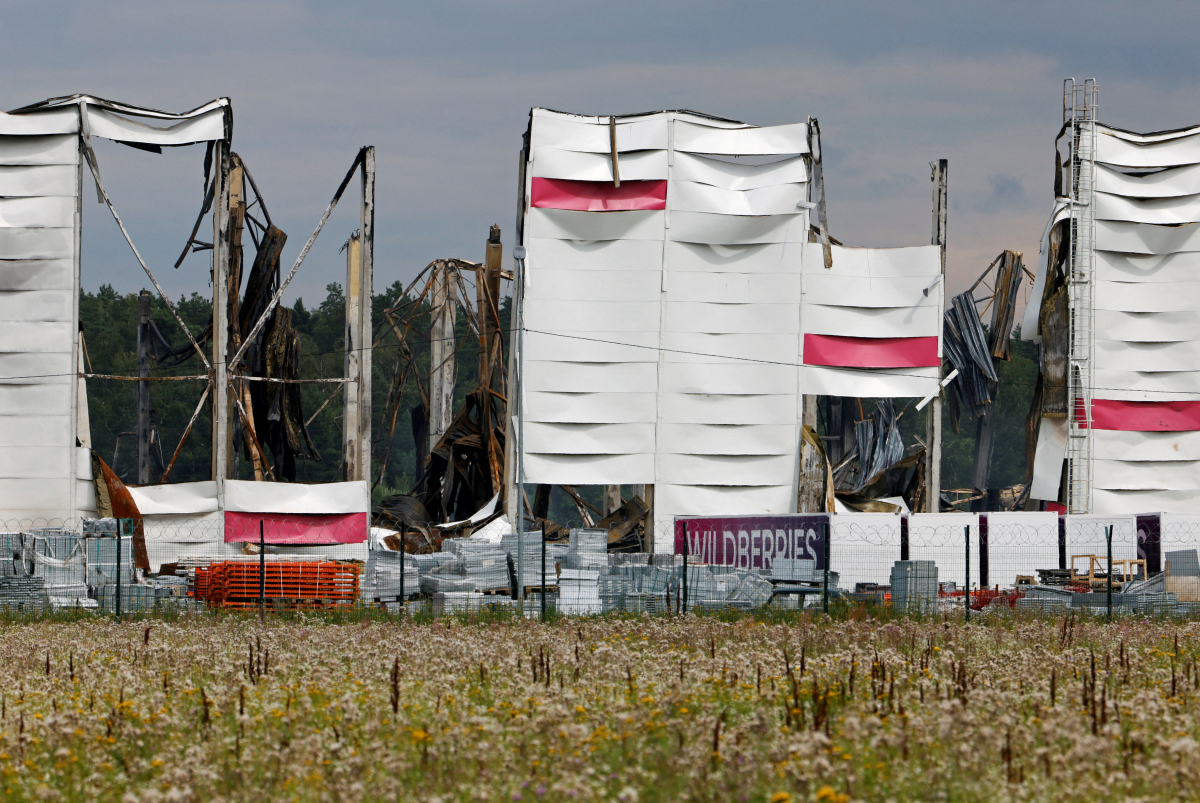
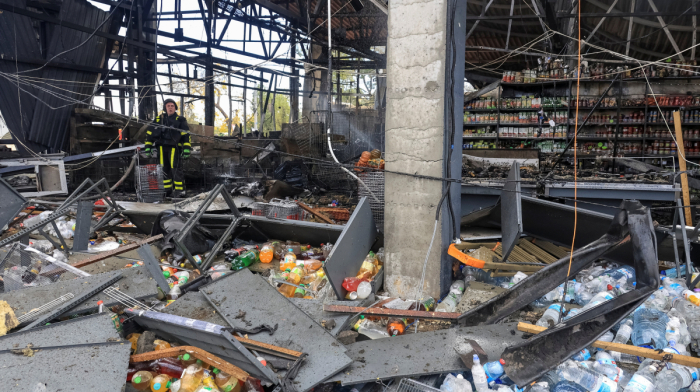
The strikes have caused fires, destroyed or damaged merchandise and forced Wildberries to reroute deliveries.
In one major 3 August attack, a fire at a Wildberries warehouse in Russia’s Vladimir region covered about 100,000 square metres. More than 200 firefighters were deployed, while the company said deliveries were redirected to other facilities.
Reuters reported on 11 August that nearly 30 per cent of Wildberries’ total warehouse space had been destroyed, citing Russian media estimates. The same Reuters analysis put the economic damage from the attacks at between $2 billion and $4 billion.
Associated Press (AP) later reported estimates that damage could reach as much as $6 billion, illustrating the uncertainty surrounding the overall losses.
What does it mean for Russia’s economy?
Wildberries processed around $75 billion worth of goods last year, equivalent to roughly 3 per cent of Russia’s GDP, according to Reuters.
The company also carries significant debt. Reuters reported that its debt was estimated at around $15 billion at the end of 2025.
The disruption has already prompted concerns about the financial impact on sellers and lenders.
Russia’s central bank has asked banks to help restructure loans for small and medium-sized businesses affected by attacks on logistics centres. Reuters also reported that Sberbank could face higher bad-loan provisions as businesses affected by the attacks struggle financially.
The company, which also operates across Central Asia, including Uzbekistan, and the Caucasus, is building 260,000 square metres of warehouse capacity in neighbouring Kazakhstan, the Kazakh trade minister said.
Uzbek exporters say repeated disruptions to Wildberries’ logistics network in Russia have slowed deliveries and affected overseas sales, prompting the government to hold talks with the online marketplace’s management.
Political impact
The attacks have also become part of Russia’s domestic political debate.
Former Russian President Dmitry Medvedev portrayed the strikes as an attack on ordinary Russians rather than simply on the Russian government or military.
“Our enemy is fighting not the Russian leadership or the army, but ordinary citizens,” Medvedev said.
The attacks have also strengthened calls among some Russian hardliners for a tougher response.
Pro-Kremlin political analyst Sergei Markov said the strikes could reinforce arguments for escalating the conflict, saying, “It strengthens the view that it’s necessary to hit Europe.”
What happens next?
Wildberries has been forced to reorganise its logistics network, redirecting deliveries and using alternative facilities to keep its operations running.
For Ukraine, the campaign offers a way to strike deep inside Russia while targeting infrastructure it says supports the war effort.
For Russia, the attacks create a difficult balancing act: protecting major commercial infrastructure with limited air-defence resources, supporting affected businesses and sellers, and preventing disruption to a retail network that has become deeply embedded in everyday life.












What is your opinion on this topic?
Leave the first comment