European countries are stepping up investment in drones and counter-drone technology as unmanned systems reshape modern warfare, driving demand for new production and capabilities across the continent.
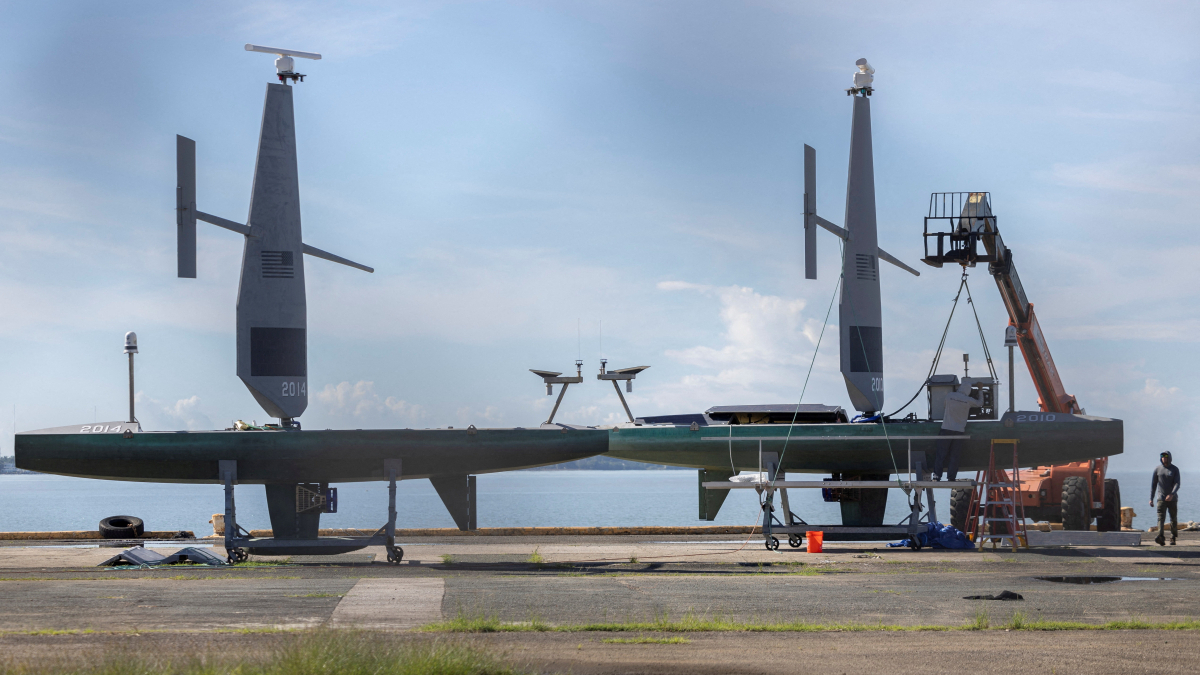
U.S.-based maritime technology company Saildrone is among the latest firms to respond, announcing plans to build unmanned surface vehicles (USVs) in Europe through new manufacturing agreements in Norway, Poland and the Netherlands.
The expansion comes as NATO governments pour billions into unmanned and counter-drone capabilities, while European countries seek to strengthen their defence industries and reduce reliance on overseas production.
Saildrone expands European footprint
Saildrone announced three separate construction agreements alongside the opening of its European headquarters in Copenhagen.
“The first European-built 52-metre Saildrone Spectre will be built at Van der Valk Shipyard in the Netherlands; the next generation of the Saildrone Surveyor will be produced at Umoe Mandal in Norway; and Southern Spars will produce Surveyor wings in Poland,” Saildrone founder and CEO Richard Jenkins said.
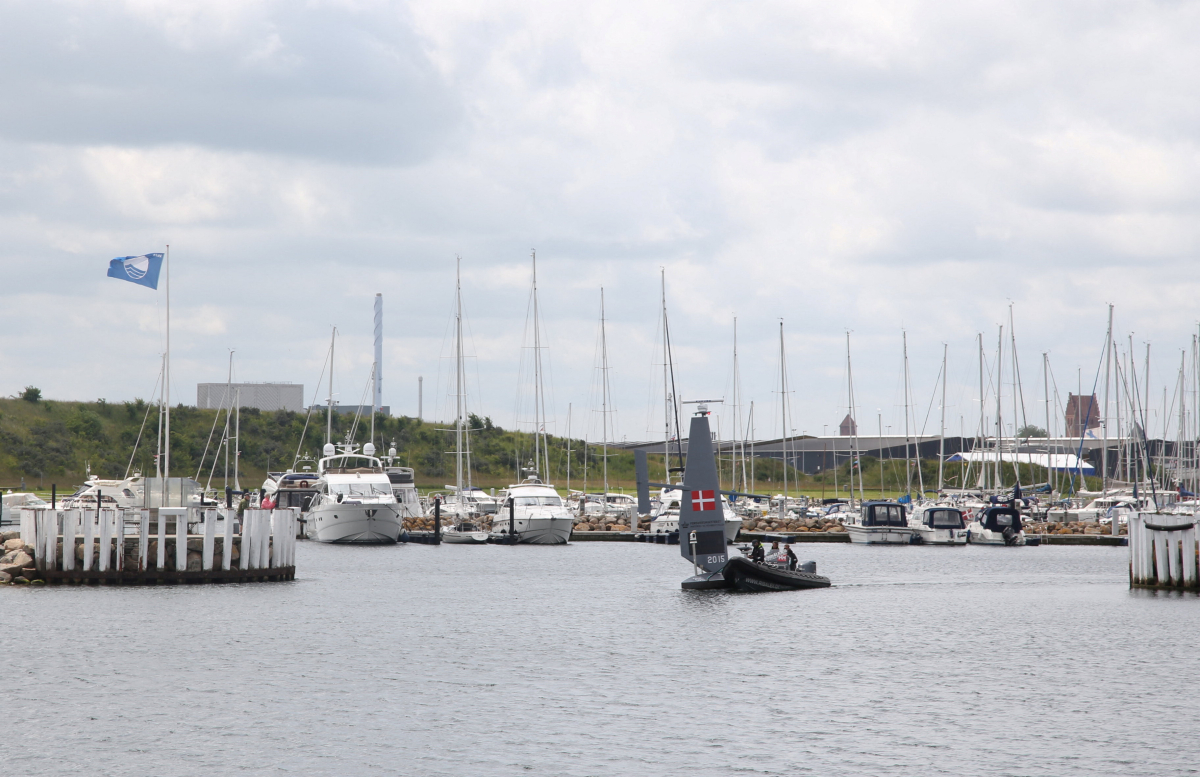
The company’s European Union headquarters in Copenhagen will support business development, maintenance operations and piloting activities across its European operations.
Saildrone established its European subsidiary in April 2025 with support from a $60 million funding round led by EIFO, Denmark’s Export and Investment Fund.
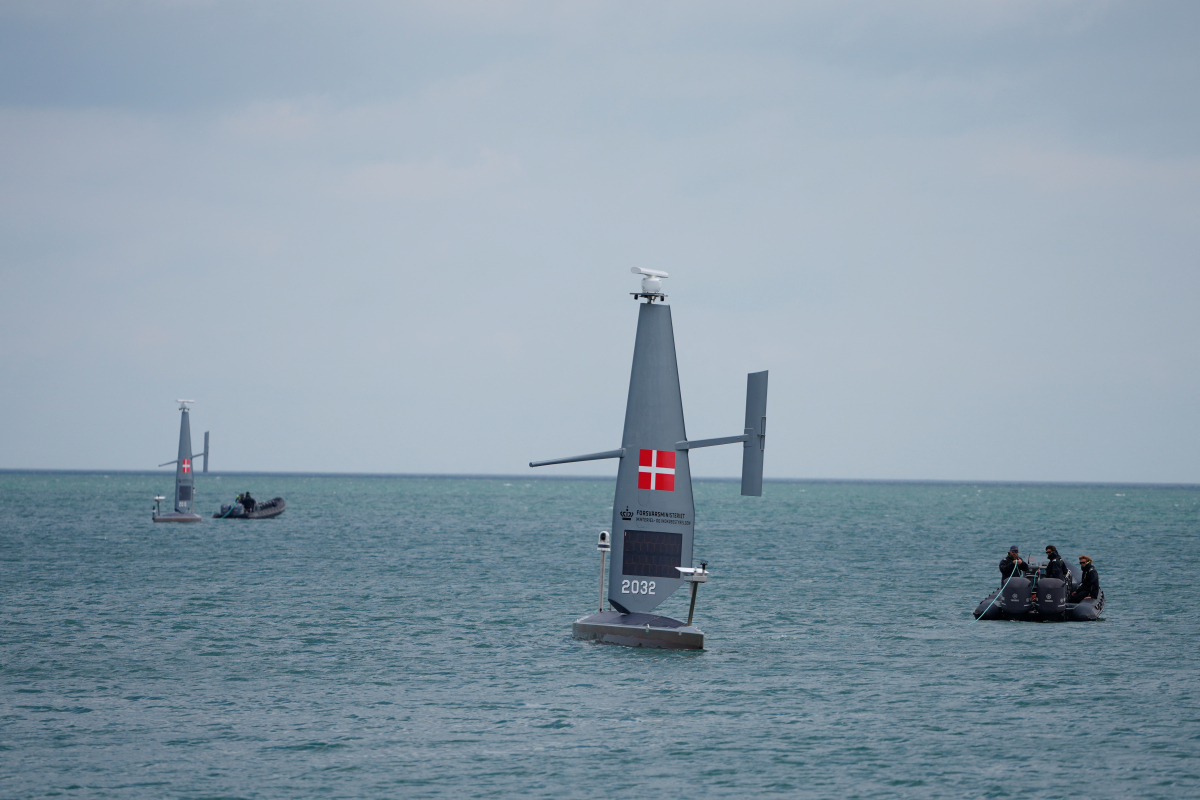
Two months later, it began operating in Danish waters, with four Saildrone Voyager USVs supporting Denmark’s Ministry of Defence Acquisition and Logistics Organisation.
Headquartered in Alameda, California, Saildrone develops wind- and solar-powered unmanned vessels used for maritime surveillance, ocean data collection, seafloor mapping and naval operations.
NATO puts drones at centre of defence plans
Saildrone's European expansion comes amid a much wider push by NATO members to increase their use of drones while strengthening their ability to defend against them.
At the NATO Summit Defence Industry Forum in Ankara, Türkiye, in July, allies announced plans to invest more than $40 billion in counter-drone capabilities over the next five years under NATO's Drone Edge initiative.
NATO members also aim to train five times as many military drone operators by the end of 2027.
The alliance plans to establish a counter-drone marketplace designed to accelerate procurement by giving governments access to systems that have been tested for NATO compatibility.
The commitments reflect the rapidly growing importance of unmanned systems on the battlefield. NATO says drones have “fundamentally altered the character of modern warfare” and become a decisive factor in military operations.
The alliance is also looking beyond aerial drones. Procurement agreements announced at the Ankara summit included uncrewed aircraft for maritime surveillance, an area in which autonomous vessels are also playing an increasingly prominent role.
Ukraine war accelerates drone development
Russia's war against Ukraine has accelerated the military adoption of drones and demonstrated how relatively inexpensive unmanned systems can be deployed for surveillance, targeting and strikes alongside conventional weapons.
The conflict has also intensified demand for technologies capable of detecting, disrupting and destroying drones, as militaries adapt to large numbers of relatively low-cost unmanned systems.
The shift is changing how defence companies develop new equipment. Manufacturers are increasingly pursuing autonomous and lower-cost aircraft that can operate alongside traditional crewed platforms, with companies in Europe and the U.S. racing to develop the next generation of uncrewed combat aircraft.
The changing threat has also created pressure to bring new systems into service more quickly. Mass drone and missile attacks in Ukraine and the Middle East have driven demand for cheaper ways to intercept incoming threats.
Europe pushes for greater defence autonomy
The Eruopean Union is also directing more funding towards drones and other emerging defence technologies.
In April, the European Commission announced €1.07 billion ($1.23 billion) in funding for 57 new European Defence Fund projects supporting areas including drones, counter-drone systems, artificial intelligence, cyber capabilities and other defence technologies.
The investment forms part of wider efforts to strengthen the EU's defence readiness and expand the continent's industrial capacity.
That drive is also putting pressure on U.S. defence companies to manufacture more equipment in Europe rather than simply exporting finished systems from the United States.
European governments have increasingly sought greater local control over defence production, technology and supply chains as military spending rises. U.S. companies have responded by expanding European manufacturing and establishing new partnerships with companies in the region.
Saildrone's decision to build its unmanned vessels and components in the Netherlands, Norway and Poland places the company within that broader shift towards local production.
“Bringing Saildrone manufacturing and operations to Europe creates an enduring sovereign capability for our European customers,” said Robert Kleist, managing director of Saildrone Europe.
With NATO governments committing billions to unmanned and counter-drone technology, the expansion highlights how drones are moving from a specialised military capability towards an increasingly central role in European defence planning.
Read more about drones:




















What is your opinion on this topic?
Leave the first comment