Kyrgyzstan is seeking to boost fuel imports from China as it looks to diversify supplies and reduce the risks of its heavy reliance on Russia.
Direct fuel links with China
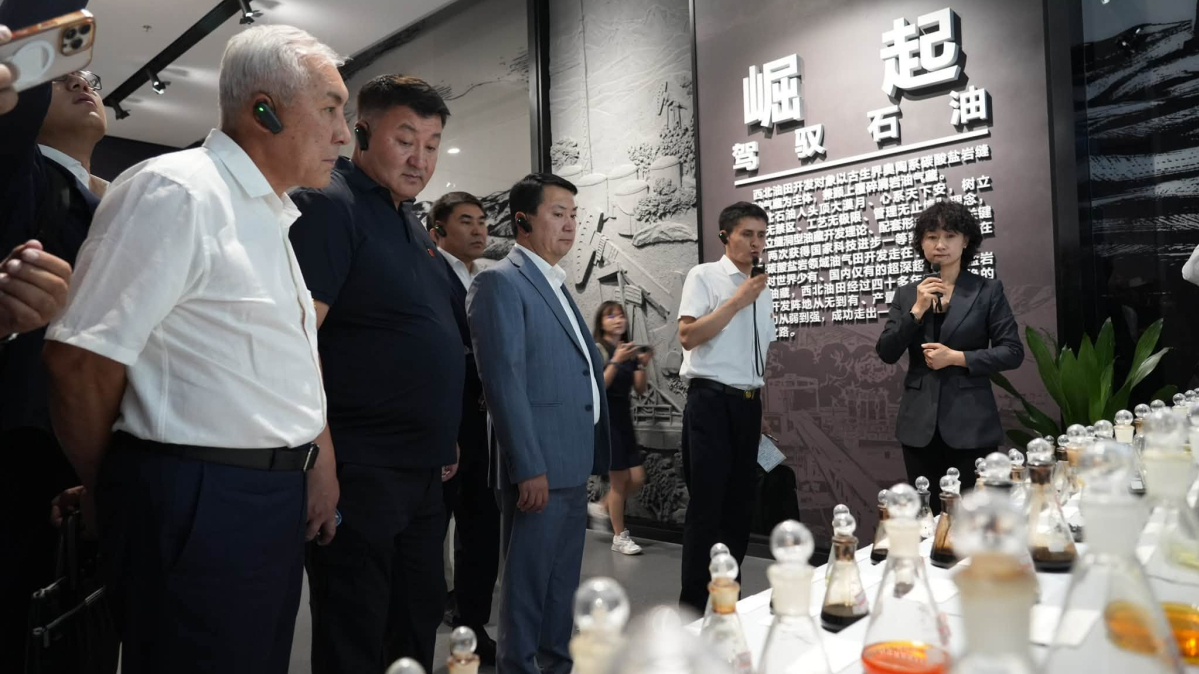
The issue was discussed in Urumqi, the administrative centre of China’s western Xinjiang region, during talks between Kyrgyz government representatives and Chinese petrochemical giant Sinopec.
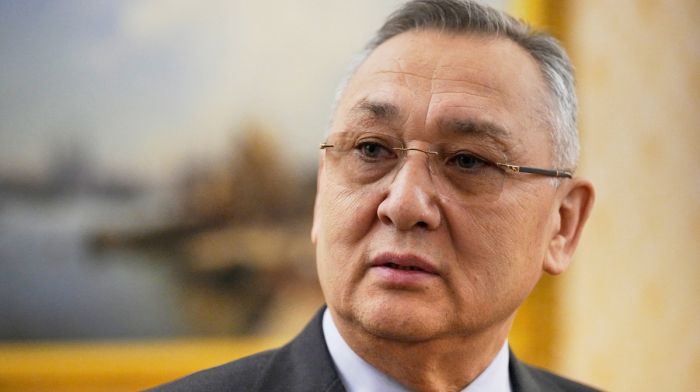
Kyrgyzstan’s Minister of Water Resources, Agriculture and Processing Industry, Erlis Akunbekov, said the country wanted to increase petroleum product imports from China and saw significant scope for cooperation.
The talks focused on establishing direct links between Sinopec and Kyrgyz companies working in the fuel and lubricants sector, as well as potential petroleum product supplies to Kyrgyzstan.
Executives from more than ten Kyrgyz companies operating in the oil sector joined the delegation to Urumqi. According to Akunbekov, their participation was intended to allow direct talks with Chinese partners on potential cooperation.
Logistics and trade terms under discussion
Following the meeting, working groups made up of government and company representatives examined the practical arrangements required for regular fuel supplies to Kyrgyzstan.
Discussions covered logistics and transport routes, customs clearance procedures, trade volumes and other commercial terms.
Bishkek seeks alternatives to Russian fuel
The talks come as Kyrgyzstan looks to reduce the risks stemming from its heavy reliance on Russian fuel.
The country consumes around two million tonnes of fuel a year, with roughly 95 per cent traditionally coming from Russia.
Pressure on Russia’s domestic fuel market has also disrupted supplies to Kyrgyzstan, pushing Bishkek to seek alternative sources.
Kyrgyzstan has already begun diversifying its fuel imports, with supplies now coming from Belarus, Azerbaijan, Türkiye and an unnamed European country. Kazakhstan and China are also being considered as additional sources.
First Chinese shipment arrives
The first fuel shipment from China has already arrived in Kyrgyzstan, marking an initial step towards opening a new supply route.
Bishkek has also introduced an indefinite ban on exports of petrol, diesel and oil in an effort to protect domestic supplies.













What is your opinion on this topic?
Leave the first comment