Kazakhstan’s oil exports through its main pipeline route fell sharply in July after Black Sea disruptions, as neighbouring Kyrgyzstan faced rising fuel prices amid reduced supplies from Russia.
Kazakh oil shipments fall
Oil exports through the Caspian Pipeline Consortium (CPC), the main route carrying Kazakhstan’s crude to international markets, fell by 22 per cent in July compared with the previous month, Reuters reported, citing two industry sources.
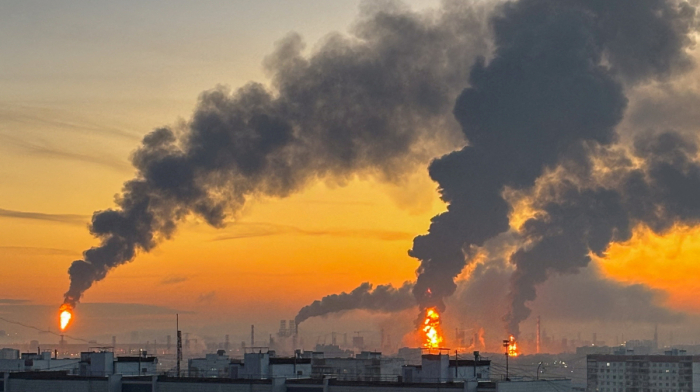
Shipments, consisting predominantly of Kazakh oil, declined to 4.6 million tonnes from 5.91 million tonnes in June. The fall followed repeated disruptions to CPC operations in July after drone attacks on tankers near the consortium’s Black Sea terminal at Yuzhnaya Ozereyevka, close to Novorossiysk.
For landlocked Kazakhstan, the disruption highlights the importance of the CPC system, which carries its crude across Russian territory to the Black Sea and provides a crucial link to international markets. Interruptions along the route can therefore affect the country’s oil exports even when disruptions occur beyond Kazakhstan’s borders.
Kyrgyzstan faces higher fuel prices
Further east, Kyrgyzstan is facing a different form of energy pressure as reduced fuel supplies from Russia push up prices on the domestic market.
Retail petrol and diesel prices rose by between 5 per cent and 12 per cent as of 12 August, compared with July, according to the country’s National Statistical Committee.
The increase comes as supplies from Russia, Kyrgyzstan’s main source of petroleum products, have become less predictable amid shortages on the Russian domestic market. Given Kyrgyzstan’s dependence on imported fuel, changes in the availability of Russian petroleum products can quickly put pressure on supplies and push up prices at home.
Kyrgyz authorities expect prices to rise further, with diesel potentially reaching approximately $1.48–$1.60 per litre and AI-92 petrol about $1.25–$1.37 per litre.
Bishkek looks to diversify supplies
Bishkek is seeking to diversify its fuel supplies, considering additional imports from China and Belarus while also seeking increased volumes from Russia.
The developments in Kazakhstan and Kyrgyzstan are not directly linked, but together they highlight Central Asia’s vulnerability to disruptions in external energy infrastructure and supply routes.
Kazakhstan depends heavily on transit infrastructure beyond its borders to reach global oil markets, while Kyrgyzstan relies on external suppliers to meet much of its domestic fuel demand.



















What is your opinion on this topic?
Leave the first comment