Medical teams are being rushed to eastern Democratic Republic of Congo (DRC) following a fast-moving Ebola outbreak that has already caused dozens of suspected deaths and raised fears of wider regional spread.
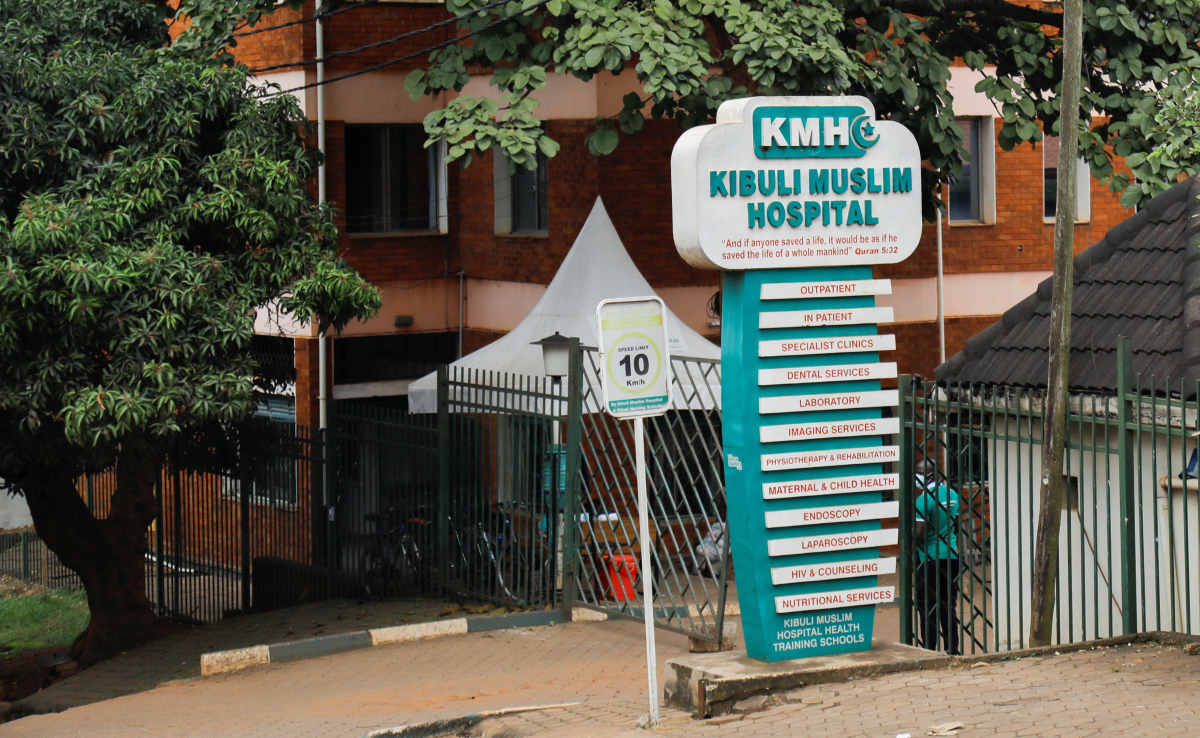
The World Health Organisation (WHO) has declared the outbreak a Public Health Emergency of International Concern after cases were confirmed beyond the DRC’s borders, including in the Ugandan capital, Kampala.
Health officials say the outbreak may have killed around 80 people in recent weeks. So far, eight cases have been laboratory-confirmed, with more than 200 suspected infections reported in Ituri province, where the outbreak appears to be centred.
Spread risks heightened by late detection
Experts say the outbreak’s late detection has allowed the virus to spread more quickly than usual. Another case has been reported in the eastern city of Goma, in neighbouring North Kivu province, raising concerns about further transmission.
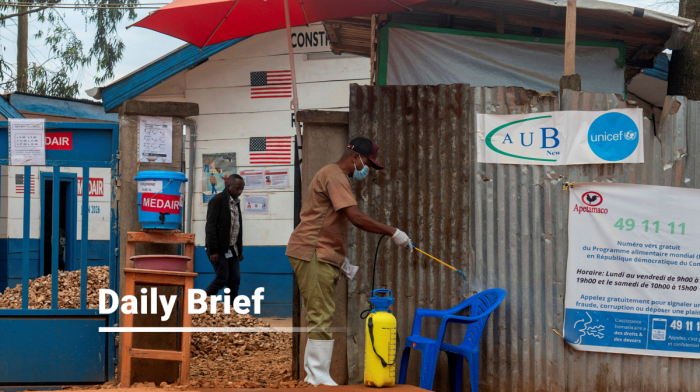
A delegation led by Health Minister Samuel Roger Kamba has arrived in Bunia, the capital of Ituri, to coordinate the response. Emergency measures include the deployment of treatment tents to relieve pressure on local hospitals.
“This is not a mystical disease,” Kamba said, urging people to report symptoms early to reduce the risk of further spread.
Limited treatment options add to concern
The outbreak is caused by the Bundibugyo strain of Ebola, which differs from the more common Zaire variant. Unlike that strain, there is currently no approved vaccine or targeted treatment, complicating efforts to contain the virus.
WHO officials say medical supplies are being mobilised, with stocks of protective equipment in the capital, Kinshasa, already depleted. Additional supplies are being prepared for shipment from regional stockpiles.
Aid organisations, including Médecins Sans Frontières and the International Rescue Committee, have dispatched teams to affected areas.
Conflict and mistrust complicate response
The response is taking place in a region already affected by armed violence and humanitarian crisis. Recent clashes between rival armed groups in Ituri have worsened conditions and made it harder for health workers to reach affected communities.
Previous Ebola outbreaks in eastern DRC have also faced challenges due to distrust of authorities and aid workers. Between 2018 and 2020, a major outbreak in North Kivu and Ituri killed nearly 2,300 people, becoming the second deadliest on record.
Local officials say the current outbreak may have been triggered by a funeral gathering in mid-April, with cases rising sharply afterwards.
Regional and global concern grows
Uganda has already taken precautionary steps, postponing a major national religious gathering that typically attracts thousands of visitors from eastern DRC.
Meanwhile, reports suggest some foreign nationals in the region may have been exposed to the virus, although these claims have not been independently confirmed.
Ebola is transmitted through direct contact with infected bodily fluids or contaminated materials and has an average fatality rate of around 50 per cent, according to the WHO.
Health experts warn that weakened disease surveillance systems, partly due to declining international funding, may have contributed to the delayed response.
“With weaker surveillance, diseases like Ebola can spread further and faster before being detected,” said Lievin Bangali of the International Rescue Committee.
Urgent efforts to contain outbreak
Authorities say containing the outbreak will depend on rapid detection, community cooperation and sustained international support.
With cases already crossing borders, there are growing fears that the outbreak could expand further if it is not brought under control quickly.












What is your opinion on this topic?
Leave the first comment