First Caspian Sea fibre-optic cable installation completed
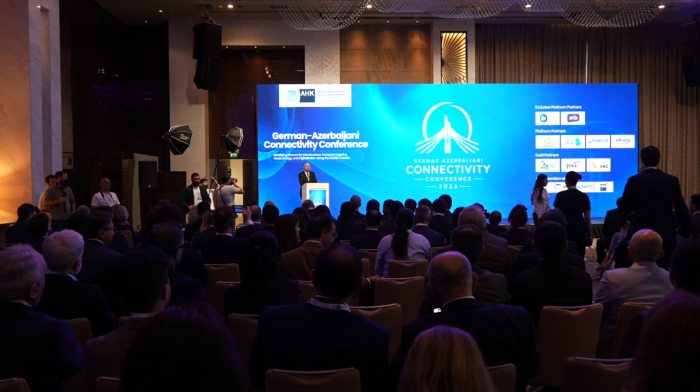
The installation of the first fibre-optic cable across the bottom of the Caspian Sea has been completed, marking a major step in the development of a ...
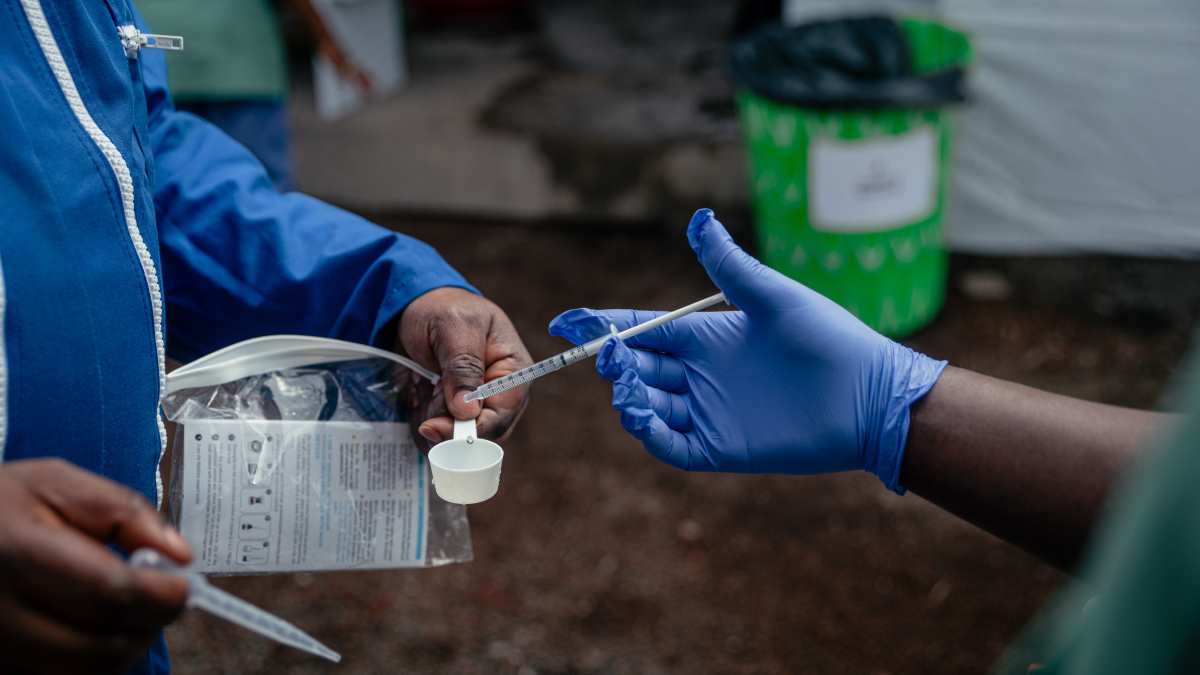
A U.S. doctor who contracted Ebola while on a humanitarian mission in the Democratic Republic of Congo has recovered and been discharged from a hospital in Germany, according to officials.
Peter Stafford, who had been working with the missionary organisation Serge, was evacuated to Berlin on May 20 after becoming infected while serving in Congo. He was treated at Berlin’s Charité hospital, where doctors administered antiviral therapy alongside intensive supportive care during the early stages of his illness.
The hospital said Stafford initially had a high viral load, which declined significantly over the course of treatment, and that repeated tests from 30 May showed no detectable virus. Following more than 72 hours without symptoms and consecutive negative PCR results, health authorities lifted his isolation order.
Stafford’s wife, Rebekah, also a doctor and their four children were evacuated and placed under quarantine as a precaution, though none developed symptoms. He was reunited with them after his discharge. Medical staff at Charité described the case as a significant therapeutic success, highlighting the coordinated efforts of multiple specialist teams.
According to Serge, Stafford was exposed to the virus during surgery at Nyankunde Hospital in Bunia, where he has worked since 2023.
After his recovery, Stafford expressed gratitude for the care he received, including access to experimental treatments, while noting that many people in Congo do not have the same level of medical support.
This comes at the heels of a publication from the Democratic Republic of Congo on Saturday stating that the number of confirmed cases has risen to 488, with 86 confirmed deaths

U.S. President Donald Trump said there was an "all-day negotiation" on Tuesday with Iran, characterising the talks positively while also threatening to hit Iran "really hard" if a deal was not reached.
Shipping traffic through the Strait of Hormuz and the Bab el-Mandeb Strait, two key maritime chokepoints in the region, decreased significantly from the previous day, according to shipping data.
Start your day informed with AnewZ Morning Brief. Here are the top news stories for the 6th of August, covering the latest developments.
Kazakhstan’s main oil export corridor was disrupted by drone strikes near Russia’s Black Sea coast in July, forcing a temporary suspension of crude loadings and raising fresh concerns over the vulnerability of regional energy infrastructure to the war in Ukraine.
Ukrainian President Volodymyr Zelenskyy has dismissed the country's ambassadors to Tajikistan, Kyrgyzstan and several other countries. The removals came after a speech on Monday in which he said embassies would be judged on their effectiveness in securing weapons for Ukraine.
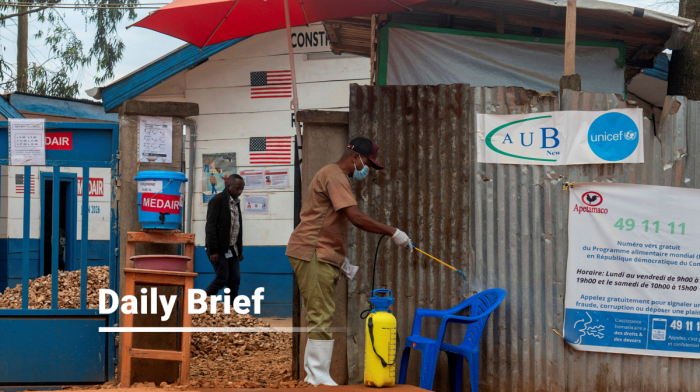
The Ebola outbreak in the Democratic Republic of Congo is expected to surpass 4,000 cases this week, with delayed detection, weak surveillance, funding shortages and conflict allowing the virus to spread faster than in any previous epidemic at the same stage.
Australia warned on Monday (3 August) of a wider spread of H5N1 bird flu after its first confirmed mass mortality event among seabirds killed about 50 greater crested terns off the coast of South Australia, south of Adelaide.
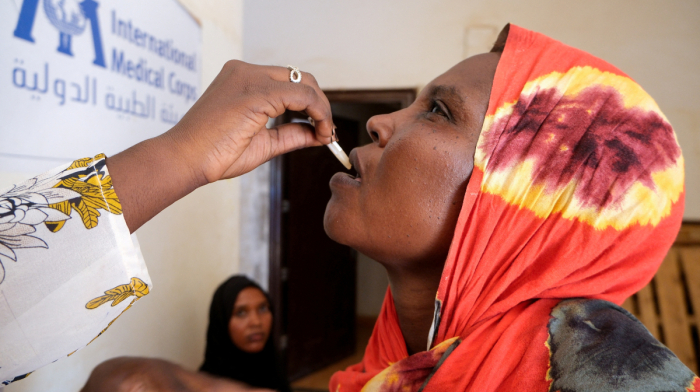
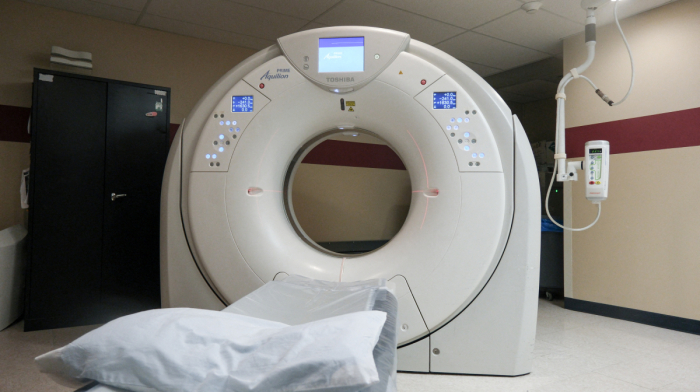
Cancer patients in Sudan are struggling to access life-saving treatment as soaring medication costs, power shortages and damaged hospital infrastructure deepen the country's healthcare crisis after more than three years of war.
The world risks a resurgence of the HIV epidemic after international funding fell by nearly a fifth last year, according to a new report from UNAIDS, which warned that decades of progress against the disease could be reversed without renewed global support.
A global shift towards healthier diets, more efficient farming and reduced food waste could cut greenhouse gas emissions from agriculture-related land-use change by 85% by 2050, according to a study published last week in the journal Nature.
You can download the AnewZ application from Play Store and the App Store.
What is your opinion on this topic?
Leave the first comment