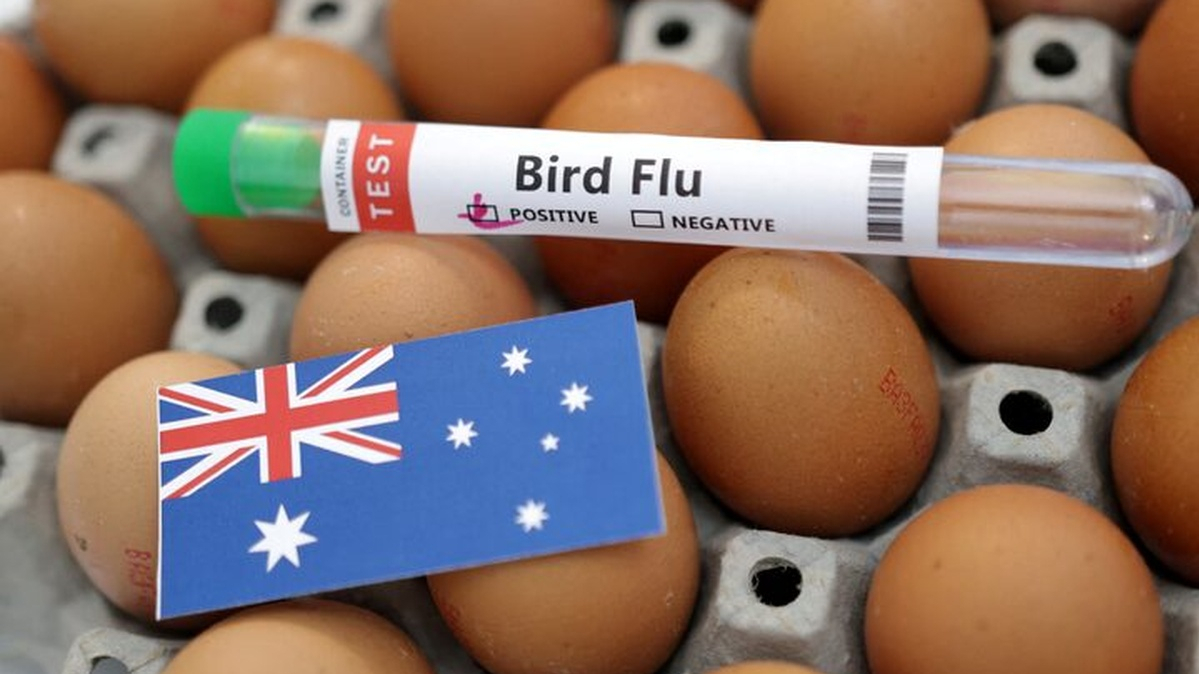
Australia warned on Monday (3 August) of a wider spread of H5N1 bird flu after its first confirmed mass mortality event among seabirds killed about 50 greater crested terns off the coast of South Australia, south of Adelaide.
Agriculture Minister Julie Collins said testing confirmed H5N1 in a group of 49 dead and 35 sick terns found during helicopter surveillance on rocks off Cape Jaffa, about 250 kilometres from Adelaide, on Friday.
“Australians should expect to see more spread and larger numbers now of wildlife being affected,” Collins told reporters in Canberra.
She said it was the first confirmed mass mortality event in Australia, warning that once H5 bird flu spreads through wildlife and the natural environment, significant losses cannot be avoided.
Australia has recorded 74 confirmed cases across the country, from Western Australia to Queensland, although most have been in South Australia, Collins said.
Farms remain unaffected
There is no evidence so far of the virus on Australian farms, many of which have tightened biosecurity measures to protect poultry flocks since H5N1 was first detected in June.
Australia and New Zealand, which confirmed its first H5N1 case last month, have spent years preparing for the virus through enhanced farm biosecurity, shorebird testing, vaccination of vulnerable species and response planning exercises.
Human risk remains low
The virus has killed hundreds of millions of birds and mammals in recent years, caused billions of U.S. dollars in losses for poultry farmers, infected cattle in the U.S. and left beaches littered with the bodies of birds and seals.
H5N1 bird flu can infect humans who come into contact with infected animals, but global case numbers remain low and health officials say the risk to the public remains low.
Read more:















What is your opinion on this topic?
Leave the first comment