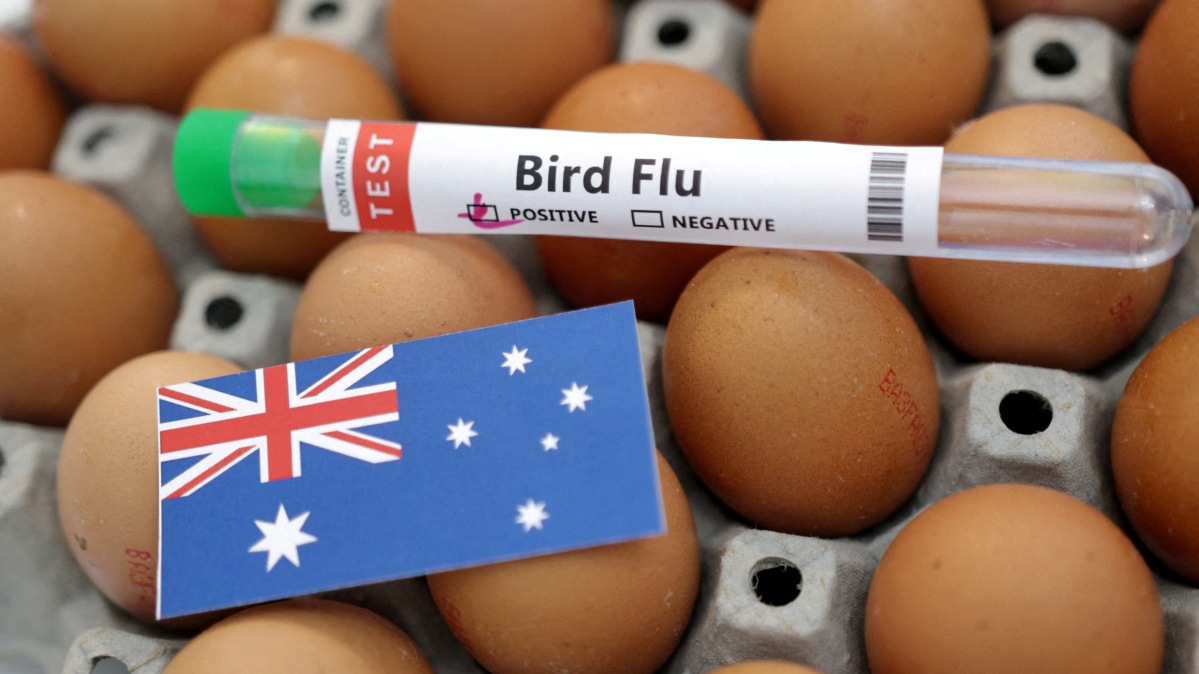
Australia has confirmed its first mainland case of H5N1 bird flu, ending its status as the only continent with a mainland free of the virus and prompting authorities to step up efforts to contain any spread.
The infection was found in a sick seabird near Esperance, a coastal town in Western Australia around 570 kilometres south-east of Perth. Officials later confirmed the bird was carrying the highly pathogenic H5N1 strain.
Prime Minister Anthony Albanese described the development as a serious concern and said the government would act swiftly to limit the risk.
“This is concerning,” Albanese told reporters in Sydney. “We will do whatever we can to restrict any spread.”
The confirmation comes a day after authorities reported a suspected case involving a migratory brown skua discovered in Cape Le Grand National Park. Further testing has now verified the presence of the virus. A second seabird, a giant petrel found in the same area, has also tested positive.
No sign of spread to poultry
Despite the discovery, officials stressed there is currently no sign the virus has reached Australia's poultry farms or agricultural sector.
“There’s no evidence of any mass mortalities and there’s no evidence that it’s in our poultry or agriculture system at this stage,” Agriculture Minister Julie Collins said.
Authorities are continuing to monitor bird populations in the area while carrying out additional testing to determine whether the virus has spread further.
A global threat reaches Australia
The H5N1 strain has spread across much of the world in recent years, devastating wild bird populations and forcing the culling of hundreds of millions of poultry. The outbreaks have disrupted food supplies and contributed to higher prices in many countries.
Human infections remain uncommon, though health authorities continue to monitor the virus closely because of its potential to mutate.
Australia has spent months preparing for the possibility of an outbreak. Measures already in place include tighter farm biosecurity, surveillance of migratory birds, vaccination programmes for vulnerable species and emergency response exercises.
The virus had previously been detected on Heard Island, a remote Australian territory in the sub-Antarctic, more than 4,000 kilometres from the mainland. Until now, however, mainland Australia had remained free of confirmed cases.
Read more:
















What is your opinion on this topic?
Leave the first comment