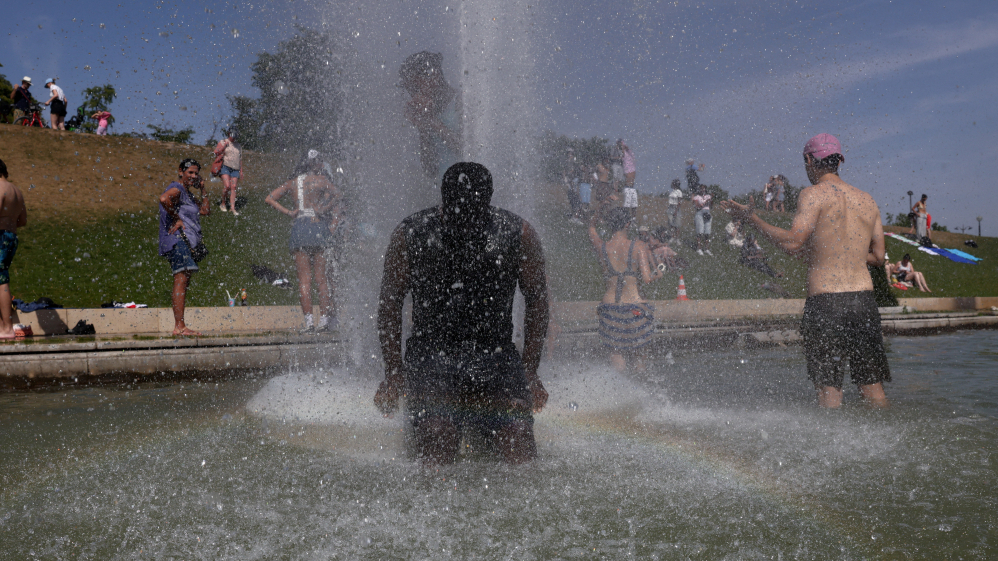
A record-breaking heatwave that swept across western Europe in late June has been linked to more than 10,000 excess deaths, according to newly released mortality data, highlighting the growing human toll of extreme temperatures across the continent.
Figures published by EuroMOMO, a European mortality monitoring network supported by public health agencies, showed that 10,650 more people died than expected during the week of June 22 to 28, when temperatures surged across several countries, including France, Spain and the United Kingdom.
Health experts say the spike in deaths coincided directly with one of the most intense heatwaves ever recorded in parts of Europe.
Elderly account for vast majority of deaths
According to the data, more than 9,000 of the excess deaths occurred among people aged 65 and older, underscoring the heightened vulnerability of elderly populations during periods of extreme heat.
Medical specialists warn that high temperatures can be fatal in several ways. Heat stress and heat stroke can directly threaten lives, while prolonged periods of extreme heat can worsen existing cardiovascular, respiratory and chronic health conditions.
Researchers said the level of excess mortality recorded during the week was highly unusual for that time of year.
Lasse Vestergaard, chief physician at Denmark's Statens Serum Institut, which hosts EuroMOMO, said the mortality increase was exceptionally high and difficult to explain by factors other than the extreme weather conditions.
Scientists link heatwave to climate change
Climate scientists have argued that the late-June heatwave would have been virtually impossible without the influence of human-caused climate change.
Rising global temperatures are making heatwaves more frequent, longer-lasting and more intense across much of Europe, increasing the risks to public health and putting additional pressure on infrastructure and emergency services.
The heatwave shattered temperature records in several countries including France, UK, Italy and Spain causing widespread disruption, including power supply problems, school closures and stress on health systems.
No other major explanation for mortality surge
The EuroMOMO analysis covered mortality data from 27 European countries and measured deaths from all causes rather than only those officially classified as heat-related.
While the figures do not directly attribute every death to extreme temperatures, experts noted there were no other major factors during the period that could account for such a dramatic increase in mortality.
Notably, no significant COVID-19 outbreaks or other widespread public health emergencies were reported during the same week.
The increase is especially striking because mortality levels across the participating countries had been running below average in the preceding two months. During the previous eight weeks, deaths were approximately 500 per week below normal levels on average.
France and Belgium among hardest-hit countries
Although EuroMOMO does not publish country-by-country excess mortality figures, it reported that France and Belgium were the only countries to record what it classified as “very high excess mortality” during the final week of June.
In Belgium, the impact was particularly severe. The country's public health institute said excess mortality reached the highest level recorded during any heatwave since monitoring began in 2000.
The findings suggest that some countries were affected far more severely than others, depending on factors such as temperature intensity, demographic profiles and preparedness measures.
Thousands more deaths estimated in Britain
Separate research published earlier this week estimated that approximately 2,700 people died from heat-related causes in England and Wales during heatwaves experienced in May and June.
Researchers from Imperial College London, the UK Met Office and the London School of Hygiene & Tropical Medicine concluded that nearly half of those deaths were linked to the additional warming caused by climate change.
Their analysis found that around 42 per cent of the fatalities would likely not have occurred without the extra temperature increases associated with global warming.
The mortality figures are expected to add to concerns about Europe's ability to protect vulnerable populations as climate-related heat extremes become more common.
Public health experts have increasingly warned that heatwaves represent one of the deadliest natural hazards facing the continent. Unlike floods or storms, heat often kills silently, particularly among older people living alone or those with underlying medical conditions.
As temperatures continue to rise globally, scientists say governments will need to invest further in heat-preparedness measures, early warning systems and public health protections to reduce the risk of future mass-casualty events.
The June heatwave has already become one of the deadliest weather-related events in Europe in recent years, and experts warn that similar episodes are likely to become more frequent in the decades ahead.






















What is your opinion on this topic?
Leave the first comment