




23:25 CET
Nigeria confirms Ebola case in Abuja
Nigerian health authorities have confirmed a case of Ebola disease in the Federal Capital Territory (FCT)...


August 2026 tied as the hottest month ever recorded globally, pushing average temperatures above the critical 1.5°C threshold as extreme weather swept across several regions, the EU’s Copernicus Climate Change Service said.
The month tied with July 2023 for the highest global average temperature on record and was 1.65°C warmer than the 19th-century pre-industrial average, according to Copernicus.
It was the first month since November 2025 when global temperatures rose more than 1.5°C above pre-industrial levels, the threshold that nearly 200 countries agreed in the 2015 Paris Agreement to pursue efforts to avoid exceeding in the long term.
A single month above 1.5°C does not mean the Paris Agreement target has been permanently breached, as the goal refers to average warming over the long term.
The record heat coincided with a series of extreme weather events and climate-related disasters.
Scientists said climate change likely contributed to conditions behind deadly landslides and flash floods in Nepal and Tibet, although the precise role of warming is still under study.
Wildfires also spread from Indonesia to Greece and Belgium, while Hungary and Romania experienced severe drought.
Western Europe recorded its hottest summer on record, with unusually low river flows and soil moisture putting furtherpressure on farmers after repeated heatwaves damaged crops.
“The narrative around climate change has really transitioned from being quite an abstract concept that happens in a faraway place, to disrupting our daily lives,” Samantha Burgess of the European Centre for Medium-Range Weather Forecasts told Reuters.
She pointed to melting roads, buckling railway lines, school closures, overwhelmed hospitals and record wildfires as examples of Europe’s vulnerability to rising temperatures.
The heat extended to the world’s oceans, with sea surface temperatures outside the polar regions tying the highest level recorded for any month.
In the tropical Pacific, the developing El Niño weather pattern helped drive record temperatures.
El Niño is forecast to strengthen in the coming months, potentially adding more heat to a planet already warming because of greenhouse gas emissions from the burning of coal, oil and gas.

Nigerian health authorities have confirmed a case of Ebola disease in the Federal Capital Territory (FCT)...
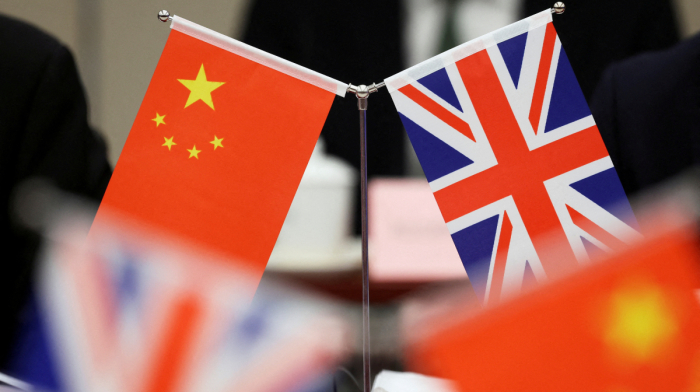
China has lodged a formal diplomatic protest with the UK after British border officials allegedly subjected Chinese travellers to lengthy questioni...
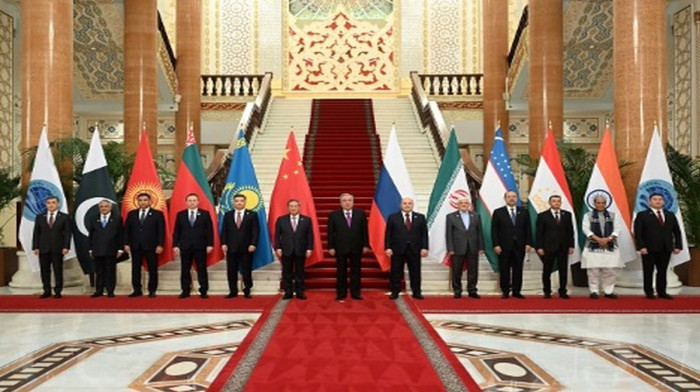
Member states of the Shanghai Cooperation Organisation (SCO) prevented 273 terrorist attacks and more than 3,000 crimes linked to terrorism, separa...

Ukrainian President Volodymyr Zelenskyy has arrived in Norway for talks about the Russia-Ukraine war. He is expected to meet with U.S. President Donald Trump's Special Envoy Steve Witkoff, who arrived in Oslo earlier. Witkoff will also meet European officials.

U.S. President Donald Trump has criticised Ukrainian President Volodymyr Zelenskyy for continuing to target Russia's energy infrastructure, while Russian strikes on Kyiv overnight killed at least one person and damaged a metro station.
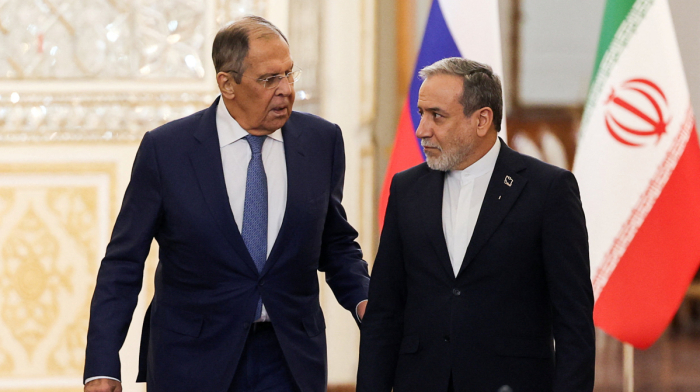
Iranian Foreign Minister Abbas Araghchi said regional issues should be resolved through diplomacy and blamed the United States for insecurity and tensions in the Strait of Hormuz, speaking at a joint news conference with Russian Foreign Minister Sergey Lavrov on Monday.

French President Emmanuel Macron has condemned the violence, looting and vandalism that erupted during cost-of-living protests across France. Prime Minister Sébastien Lecornu held crisis talks on Monday, calling for partial curfews and raising the possibility of a state of emergency.

An oil tanker caught fire after striking a naval mine in the southern part of the Strait of Hormuz, Iran’s Islamic Revolutionary Guard Corps (IRGC) Navy said late Sunday.
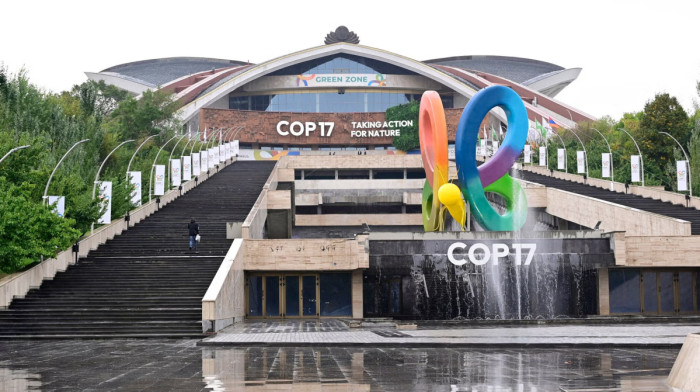
As Armenia prepares to host COP17, the 17th Conference of the Parties to the Convention on Biological Diversity, new projections reveal a widening gap between global conservation promises and what countries are on track to deliver by 2030.
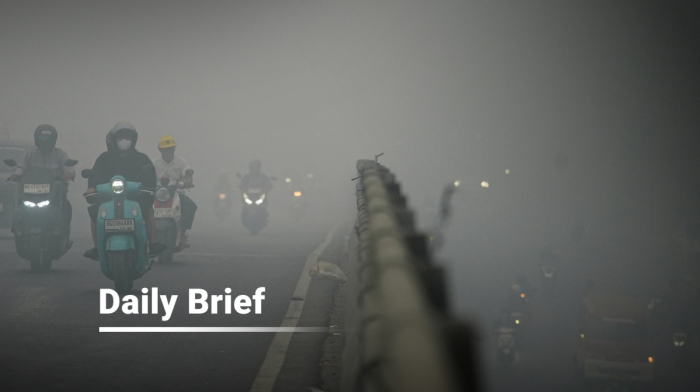
Here’s your AnewZ Daily Brief for 15 October 2026, featuring the top five culture and entertainment stories from around the world.
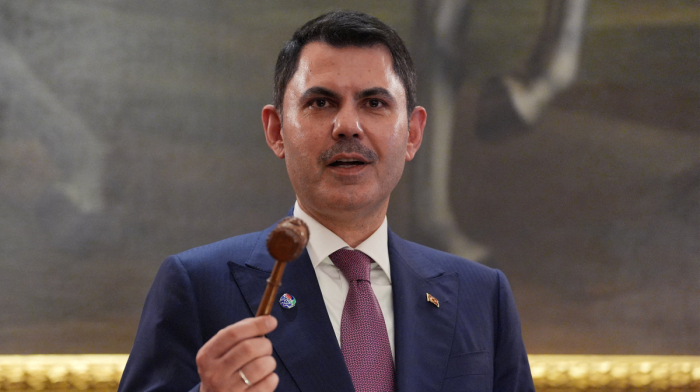
Türkiye’s COP31 presidency has unveiled an action agenda designed to turn climate commitments into concrete projects and measurable results, focusing on clean energy, waste reduction, resilient cities and industrial decarbonisation.
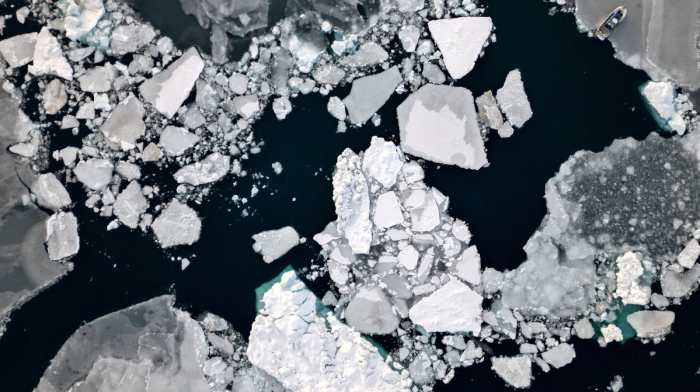
Greenland and Antarctica have shed a combined 11.3 trillion tonnes of ice since 1979, according to the most comprehensive satellite study of the planet's ice sheets to date, with researchers warning the pace of loss has accelerated sharply in recent decades.
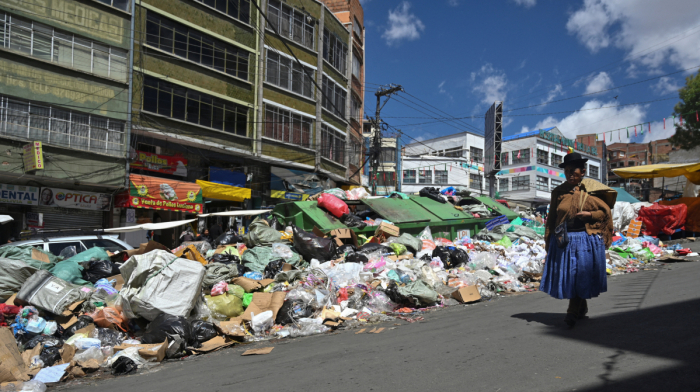
The European Union will continue allowing large-scale plastic waste exports to Türkiye despite concerns over recycling rates, environmental damage and the risk of illegal waste trafficking.
You can download the AnewZ application from Play Store and the App Store.




What is your opinion on this topic?
Leave the first comment