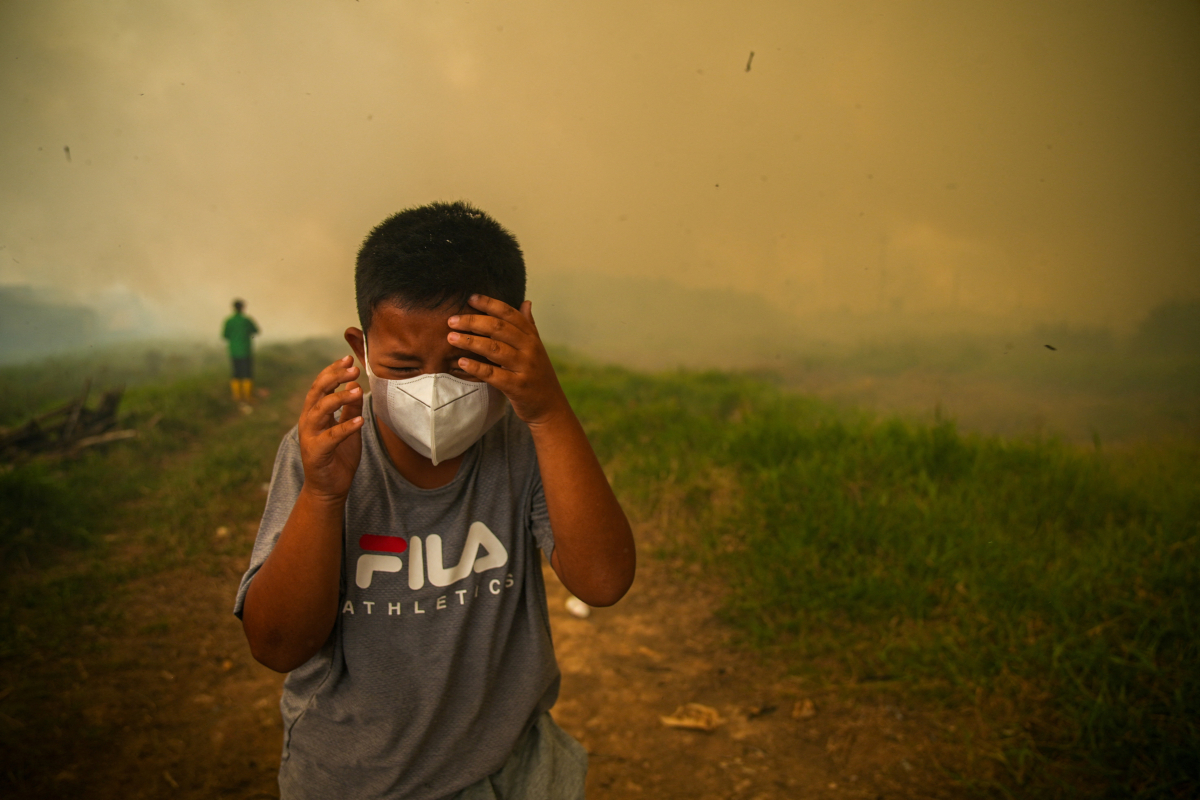
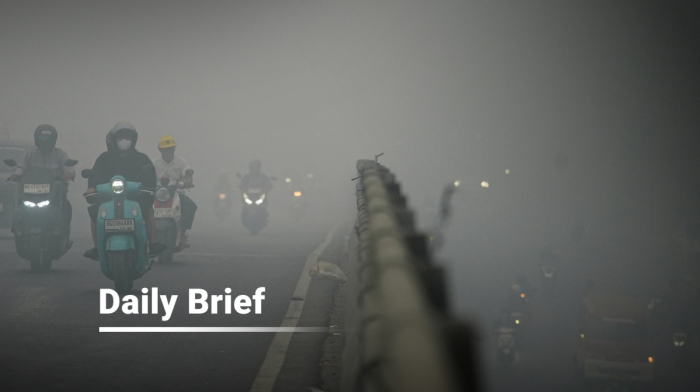
Increasingly intense wildfires and heat waves are threatening global efforts to improve air quality and protect public health, the United Nations’ weather agency has warned.
The World Meteorological Organization (WMO) said in its annual report on air quality and climate that climate change and air pollution are closely connected and must be addressed through coordinated policies.
The agency warned that rising temperatures and more frequent extreme wildfires could make it harder for countries to meet World Health Organization (WHO) air quality guidelines.
Wildfires becoming major source of pollution
According to the WMO, wildfires are becoming a growing source of harmful air pollution, even as stricter regulations have reduced emissions from industry and transport in many developed countries.
“No matter how clean your city or your region is ... if you have a lot of pollution brought about by wildfires, that has the potential to negatively impact air quality in those regions as well,” Lorenzo Labrador, a scientific officer at the WMO, told Reuters.
The report highlighted concerns over fine particulate matter known as PM2.5 and ground-level ozone, both of which are linked to respiratory and cardiovascular diseases.
The WMO also called for improved monitoring of pollutants and aerosols, including black carbon and microplastics, which it said remain poorly tracked despite their widespread presence in the atmosphere.
Extreme fires and heat waves intensify worldwide
The report comes after a year marked by extreme heat and destructive wildfires in parts of Europe, including Spain, France and Greece.
The WMO said extreme heat events are becoming more frequent, more intense and longer-lasting as global temperatures rise.
It said PM2.5 concentrations in 2025 were above long-term averages in northern Canada, parts of Russia and western-central Africa due to increased fire activity.
North-western Spain was also identified as a pollution hotspot following exceptional late-summer wildfires.
Fire smoke linked to rising health risks
A study cited in the report found that extreme wildfire smoke events have tripled globally since the 1990s and may have contributed to nearly 100,000 additional deaths each year between 2010 and 2018.
Labrador said wildfire pollution is particularly dangerous because it contains a range of toxic chemicals.
He added that inhaling wildfire smoke can trigger inflammation throughout the body and contribute to lung diseases.
The WMO said closer cooperation between climate and air quality policies will be essential as the effects of global warming continue to influence pollution levels.













What is your opinion on this topic?
Leave the first comment