Sri Lanka is experiencing one of its worst dengue fever outbreaks in recent years, with more than 44,000 cases and 28 deaths recorded since January, according to health officials. The surge in infections is placing significant pressure on public hospitals across the country.
Data from Sri Lanka’s National Dengue Control Unit show a sharp rise in infections, increasing from 5,651 cases in April to 10,638 in the first two weeks of June alone.
Health authorities say the trend began to worsen after Cyclone Ditwah struck the island in late November, leaving widespread debris that created ideal breeding conditions for mosquitoes.
Post-cyclone conditions fuel mosquito breeding
Officials say a combination of unplanned urbanisation and storm damage has significantly increased mosquito populations.
Dr Prashila Samaraweera, a consultant community physician and spokesperson for the National Dengue Control Unit, said environmental conditions following the cyclone had contributed directly to the outbreak.
She noted that stagnant water and accumulated debris had led to higher mosquito breeding indices, sustaining transmission across affected regions.
Hospitals under pressure as cases rise
Sri Lanka’s Health Ministry has warned that a continued rise in infections could place severe strain on public hospitals, particularly in urban centres.
Health Minister Nalinda Jayatissa said authorities were closely monitoring capacity levels as patient admissions continued to increase.
More than half of all reported cases are concentrated in the western region, including nearly 9,500 infections in the commercial capital, Colombo, alone. Eight other districts have each recorded more than 2,000 cases.
Children among fatalities
The outbreak has so far resulted in 28 deaths, including five children, highlighting the severity of the current wave.
Officials warn that infection levels could continue to rise for at least another two weeks before stabilising, depending on weather conditions and mosquito-control efforts.
Risk of matching 2019 outbreak levels
Authorities caution that the current trajectory could approach the scale of Sri Lanka’s major 2019 outbreak, when more than 105,000 dengue cases were recorded nationwide.
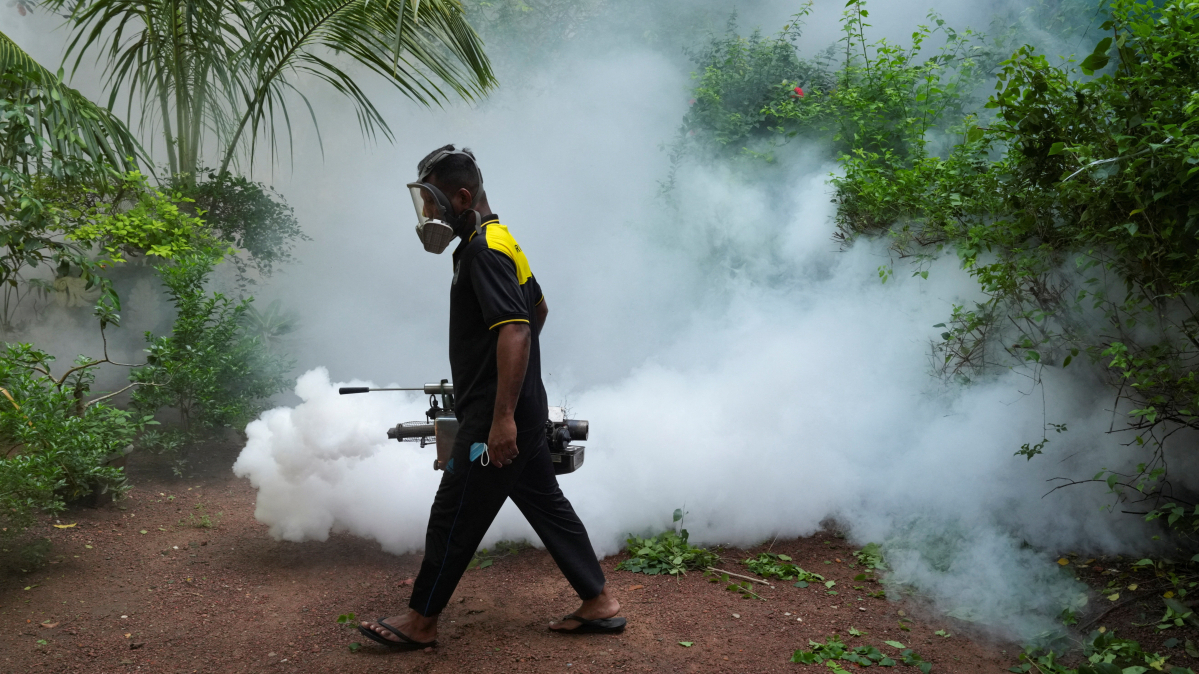
Health officials have launched intensified clean-up campaigns targeting schools, homes, construction sites and public buildings in an effort to reduce mosquito breeding grounds.
The nationwide programme is expected to continue until next Monday as part of emergency containment measures.












What is your opinion on this topic?
Leave the first comment