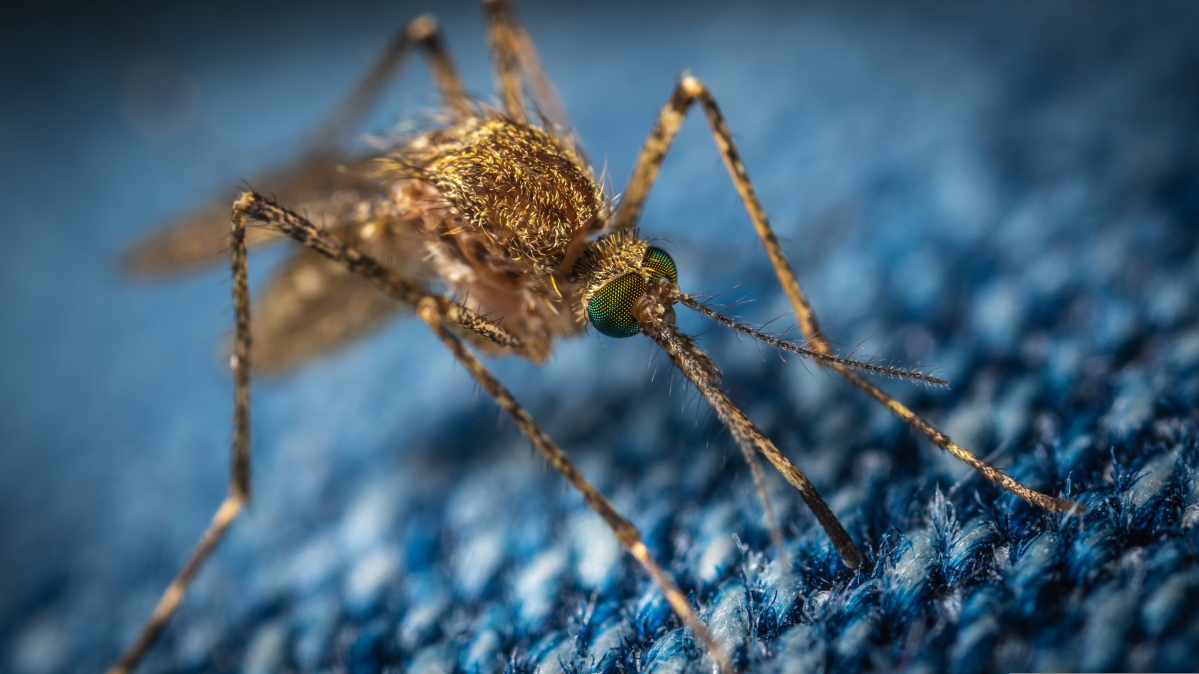
Google has asked U.S. regulators for permission to release up to 32 million sterilised mosquitoes in California and Florida as part of its experimental “Debug” programme aimed at reducing populations of disease-carrying insects.
The request, submitted to the U.S. Environmental Protection Agency (EPA), seeks approval for the release of up to 16 million male mosquitoes per year over two years. The agency is currently reviewing the application following a public comment period that ends on 5 June.
The project, developed under Google’s parent company Alphabet Inc., uses sterile male mosquitoes infected with a naturally occurring bacterium called Wolbachia to prevent reproduction when they mate with wild females.
Sterile insect technique
According to U.S. Centers for Disease Control and Prevention (CDC), male mosquitoes do not bite or transmit disease. However when Wolbachia-infected males mate with wild females, the resulting eggs do not hatch, gradually reducing population numbers over time.
Google says the approach is designed to reduce the spread of mosquito-borne diseases including dengue, Zika, West Nile virus, chikungunya and malaria.
The company says traditional control methods such as pesticides are becoming less effective and can have environmental drawbacks, while eliminating mosquito breeding sites remains difficult.
Tech-driven biology
The initiative is part of Google’s “Debug” programme, which uses data science, sensors and AI systems to breed and sort mosquitoes at scale, including computer vision tools to separate male and female insects before release.
The programme originated as a “moonshot” project within Alphabet’s life sciences efforts and has previously been tested in locations such as Singapore, where officials reported significant reductions in Aedes aegypti mosquito populations following releases.
Expansion plans and global testing
Google said it is initially targeting Aedes aegypti, the species responsible for spreading most cases of dengue, Zika and yellow fever.
The company argues that its method could offer a scalable alternative to chemical spraying and long-term environmental disruption.
If approved, the U.S. trial would mark one of the largest deployments of sterile insect technology in urban environments, extending a method that has been used in pest control research for decades.
Read more:





















What is your opinion on this topic?
Leave the first comment