Azerbaijan continues to host a series of high-profile global events, including COP29, the World Urban Forum and upcoming World Environment Day activities, positioning itself at the centre of international climate discussions.
Global events reinforce Azerbaijan's climate profile
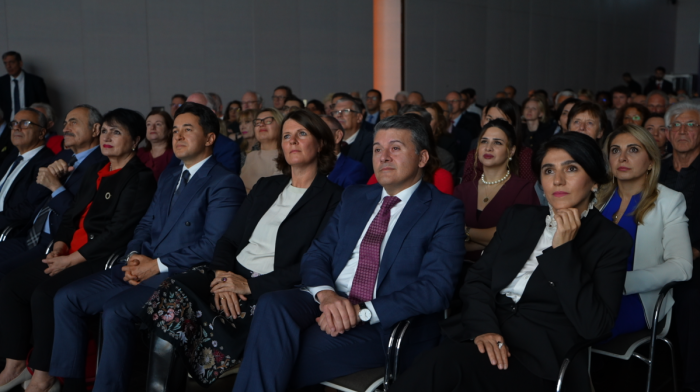
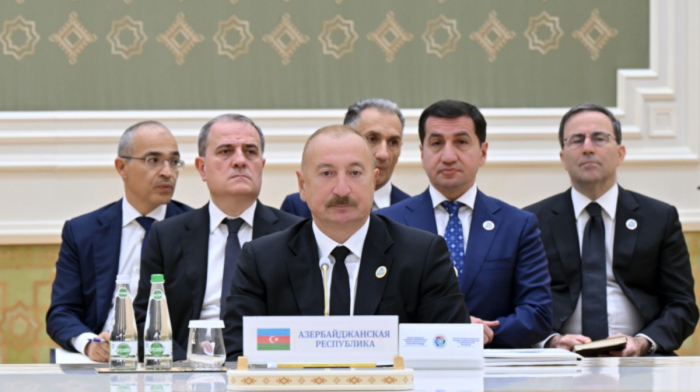
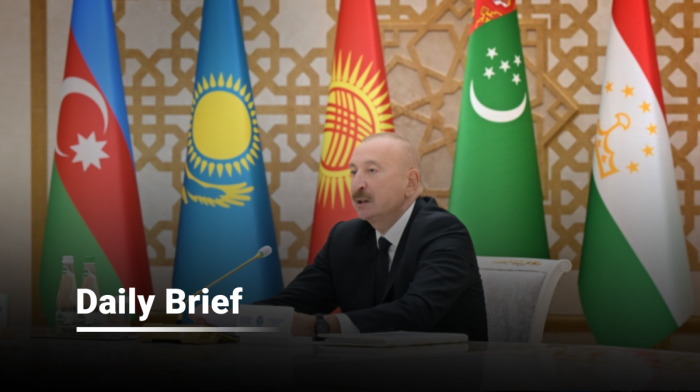
This momentum comes as President of Azerbaijan Ilham Aliyev inaugurated Baku Energy Forum, describing it as the evolution of a long-standing energy platform.
“As has already been, the Caspian Oil and Gas Exhibition laid the foundation for the energy development of modern Azerbaijan. As time passed, it transformed and became bigger and now it is called Baku Energy Week with numerous events,” he said.
Speaking on AnewZ's Daybreak programme, Parvana Valiyeva, a Member of Parliament of Azerbaijan, said these platforms are not merely symbolic but serve as “a practical platform to discuss some environmental solutions and challenges”.
She emphasised that Azerbaijan's experience in hosting COP29 had strengthened its role in global climate diplomacy and increased its visibility in sustainability discussions.
Linking global events and policy direction
During the programme, discussion focused on how COP29, the World Urban Forum, Baku Energy Week and World Environment Day are increasingly interconnected within a broader sustainability and energy security framework.
Valiyeva noted that COP29 brought “global climate discussions to Baku,” while the World Urban Forum linked “climate change to urban development and quality of life.”
She added that World Environment Day is focused on strengthening public awareness and encouraging collective environmental responsibility.
Energy transition, fossil fuels and Azerbaijan's global role
During the opening of Baku Energy Week, President Aliyev also underlined the continued importance of traditional energy sources alongside climate goals.
“World cannot live without fossil fuel. We all want to have a better climate to save the planet. We all want to live in better environment,” he said.
Aliyev further emphasised Azerbaijan's expanding role in global energy markets, stating: “Our contribution to global energy security will definitely grow.”
The President also noted that Azerbaijan's energy strategy has evolved from attracting investment to becoming an outward investor, with SOCAR expanding its operations internationally.
Emissions targets and national commitments
Alongside its programme of international events, Azerbaijan's national climate strategy includes updated emissions targets of a 30 per cent reduction by 2030 and 40 per cent by 2035.
The country is also developing net-zero carbon zones in Nakhchivan, Karabakh and Eastern Zangazur, positioning them as pioneering post-conflict development areas.
Valiyeva also referenced Azerbaijan's participation in the Global Methane Pledge, which aims to reduce methane emissions by 30 per cent by 2030 among participating countries.
Future energy outlook
Looking ahead, Azerbaijan expects to generate between 6 and 8 gigawatts of renewable energy by the early 2030s as part of its broader energy transition strategy.
The analyst underlined that this shift is supported by existing infrastructure, investment flows and long-term planning, positioning renewable energy as a central pillar of the country's future energy mix.








What is your opinion on this topic?
Leave the first comment