Uzbekistan plans to introduce a new Heritage Impact Assessment system to shield historic cities and cultural heritage sites from the potential impact of construction and infrastructure development. Digital tools will also be used to manage tourist numbers and limit visitors where necessary.
New assessment system to protect heritage
President Shavkat Mirziyoyev reviewed plans to strengthen the preservation of Uzbekistan’s cultural heritage, develop museums and promote the country’s culture internationally, according to the presidential press service.
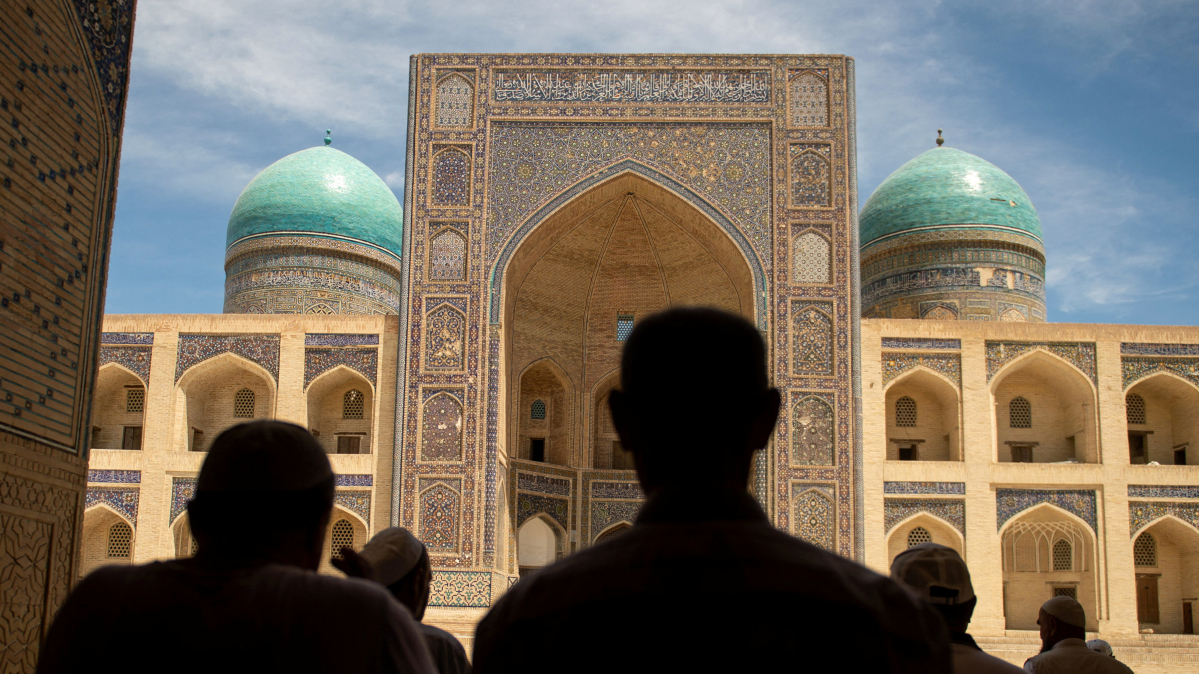
One of the key proposals is the introduction of a Heritage Impact Assessment (HIA) system, designed to identify and prevent potential damage from construction and infrastructure projects in historic cities and at cultural heritage sites.
The system will be applied in Bukhara, Samarkand, Khiva and Shakhrisabz, as well as to Tashkent’s modernist architecture.
Tashkent’s modernist architecture gains UNESCO status
The presentation also highlighted the inclusion of Uzbekistan’s national nomination, “Modernist Architecture of Tashkent. Modernity and Traditions of Central Asia,” on the UNESCO World Heritage List.
The nomination covers 10 landmark sites in Tashkent. Uzbekistan is the first country in Central Asia and the CIS to have its 20th-century modernist architecture granted this status.
It is also Uzbekistan’s first national addition to the UNESCO World Heritage List in 25 years. As part of the initiative, the “Sun” heliocomplex was included in the World Heritage property and preserved.
A state programme for 2026-2030 will seek to preserve and promote Tashkent’s modernist architecture, with the new international status expected to support research, cultural tourism and cooperation with architects and international experts.
Nearly $40 million allocated for restoration
The government has allocated 466.4 billion soums (about $39.6 million) from the state budget in recent years to restorecultural heritage sites. Work has been completed at 55 sites and is continuing at a further 152.
Cadastral documents have also been prepared for 8,183 cultural heritage sites. Short-term leasing of monuments has attracted 4,187 businesses, generating 27.9 billion soums (about $2.3 million) for the relevant fund.
Digital tools to monitor heritage sites
Uzbekistan also plans to create a unified digital cultural heritage platform, which will include digital twins of heritage sites, a Heritage Open Data system and a cultural heritage situation centre.
The centre is expected to use data from Internet of Things (IoT) sensors, satellites, video analytics and artificial intelligence to monitor heritage sites. The government aims to fully digitise the country’s cultural heritage sites by 2030.
A Visitor Management system is also planned to expand the use of digital ticketing and forecast tourist flows. Authorities could impose limits on visitor numbers at individual heritage sites where necessary.
New restoration school planned in Bukhara
A specialised higher education institution for restoration is planned in Bukhara. Uzbekistan also intends to expand regional branches of the Institute of Archaeology and introduce licensing for restoration specialists.
The measures are intended to create a more systematic approach to protecting Uzbekistan’s historic cities and cultural heritage while supporting the continued development of tourism and culture.















What is your opinion on this topic?
Leave the first comment