Uzbekistan welcomed 6.56 million foreign tourists in the first six months of 2026, a 24.9% increase compared with the same period last year, according to the National Statistics Committee. The figures underline the country's growing appeal as one of Central Asia's leading travel destinations.
Neighbouring countries remain the largest source of visitors
Uzbekistan attracted 6.56 million foreign tourists in the first six months of 2026, marking a 24.9% increase compared with the same period last year, according to the National Statistics Committee.
The figures highlight the country's growing appeal as one of Central Asia's leading travel destinations, driven by its rich cultural heritage, Silk Road cities and expanding tourism infrastructure. The number of international arrivals rose by 1.3 million compared with January–June 2025.
Kyrgyzstan remained Uzbekistan's largest source of tourists, with 1.87 million arrivals, including around 734,000 visits in May and June alone.
Kazakhstan moved into second place with 1.55 million visitors, overtaking Tajikistan, which recorded 1.47 million tourist arrivals during the first half of the year.
Russia ranked fourth with 585,500 visitors, followed by Afghanistan with 238,900.
Meanwhile, China continued to record one of the fastest growth rates. Uzbekistan welcomed 223,470 Chinese tourists in the first six months of the year, including more than 91,000 in May and June. That figure is already approaching the 278,900 Chinese visitors recorded during the whole of 2025, suggesting China could soon enter Uzbekistan's top five tourism source markets.
The top 10 source countries also included Turkmenistan with 164,200 visitors, Türkiye with 95,400, India with 26,450 and Germany with 22,290.
Historic landmarks continue to attract international visitors
The latest figures come as Uzbekistan continues to promote its unique blend of history, culture and nature.
Among the country's most recognisable attractions is Registan Square in Samarkand, the iconic ensemble of three historic madrasahs that has become the symbol of Uzbekistan and attracts more than one million visitors each year.
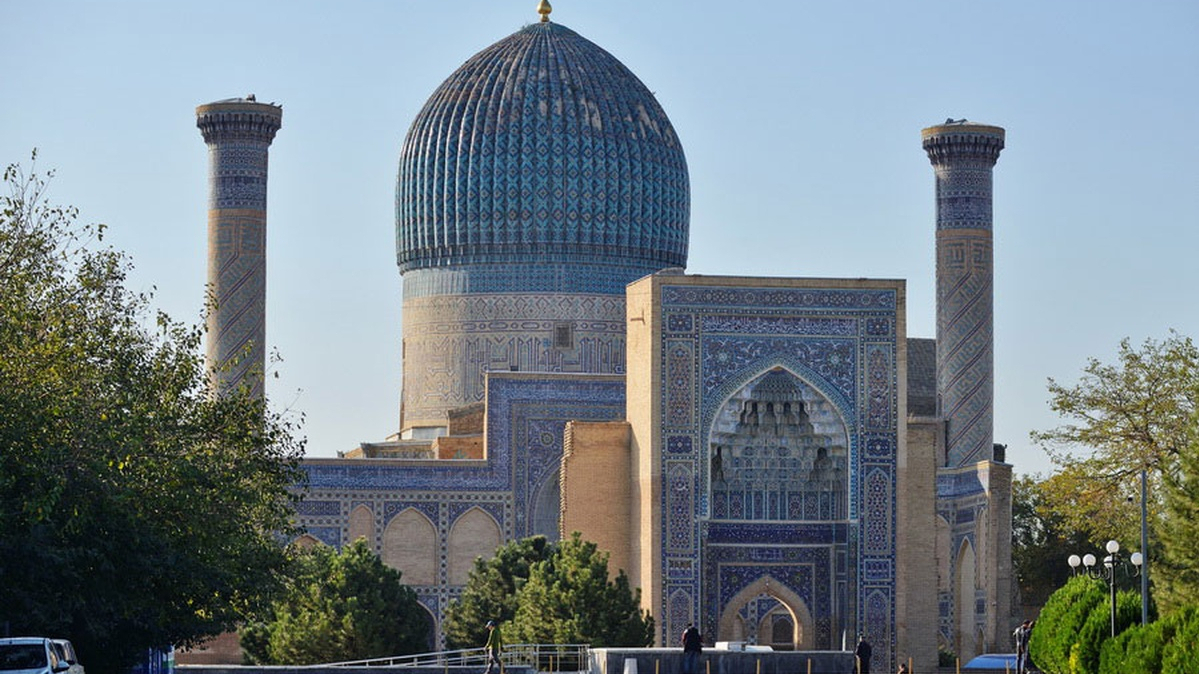
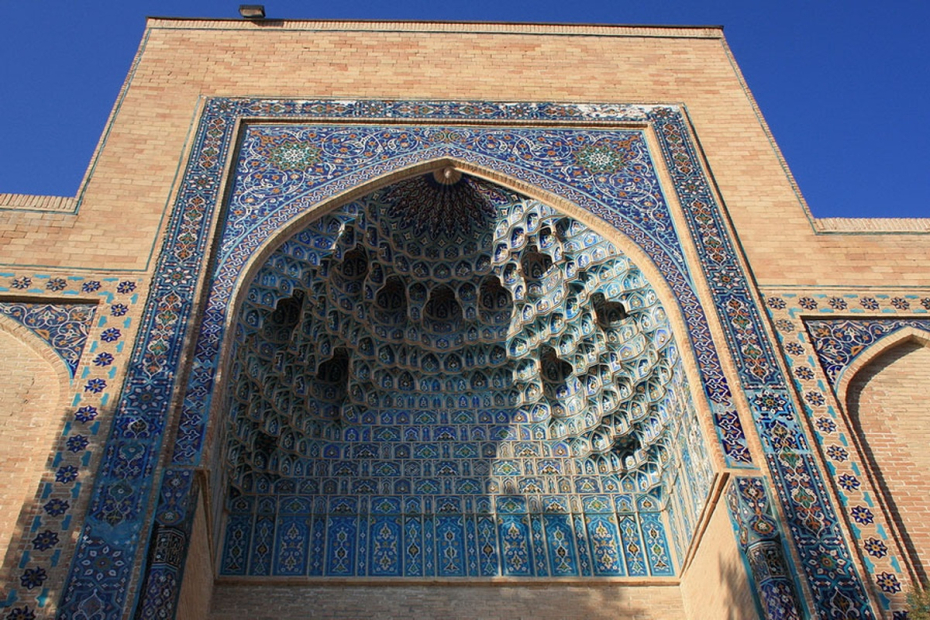
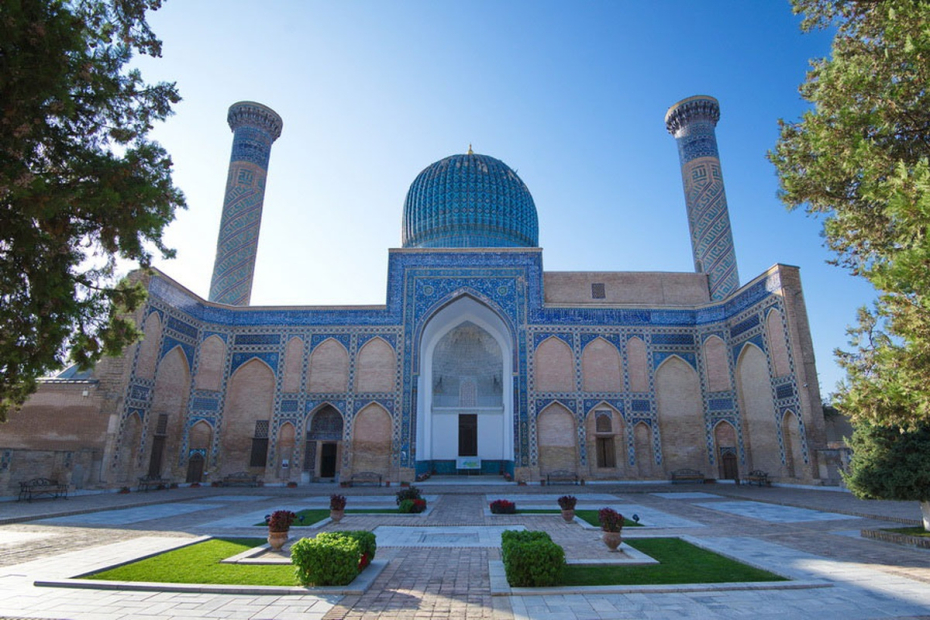
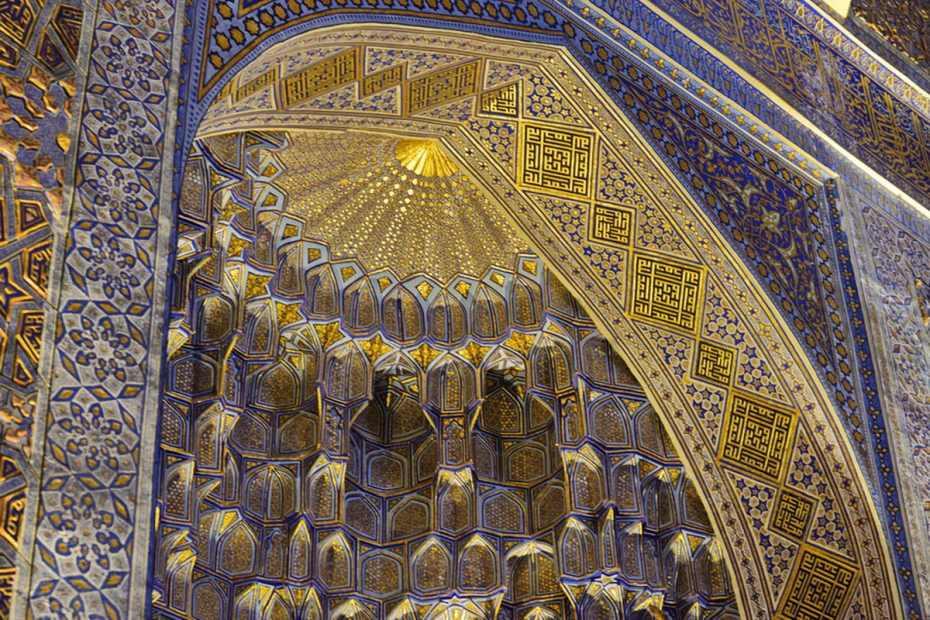
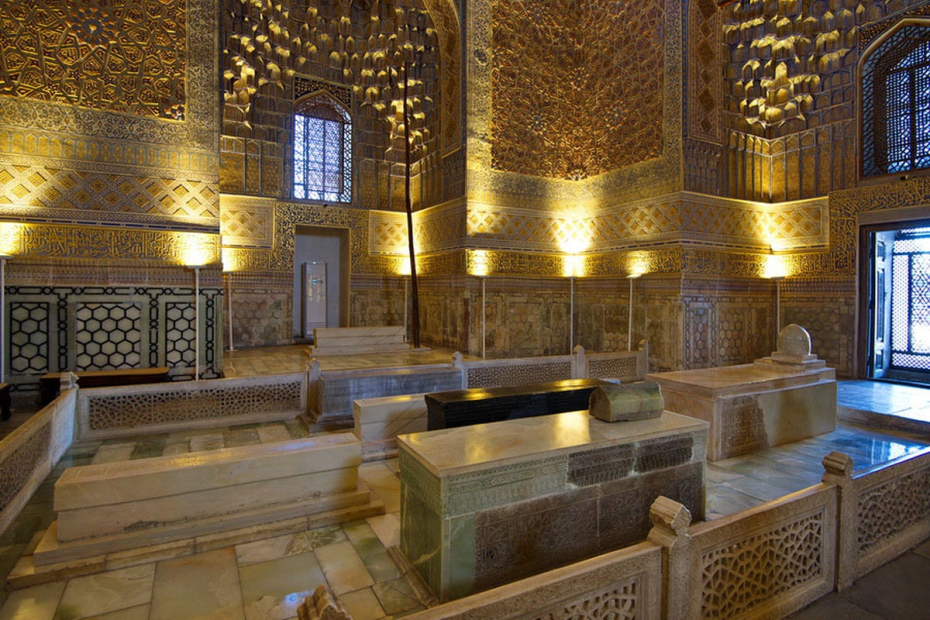
Other major landmarks in the city include the Gur-e-Amir Mausoleum, the final resting place of Amir Temur, and the monumental Bibi-Khanym Mosque, once one of the largest mosques in the Islamic world.
In Bukhara, tourists continue to explore the ancient Ark Fortress, the Kalyan Minaret and the Lyabi-Hauz architectural complex, while Khiva's Ichan-Kala, a UNESCO-listed walled city, offers one of the best-preserved examples of a medieval Silk Road settlement.
Beyond its historic cities, Uzbekistan also offers a diverse range of attractions. Visitors can experience the Chimgan Mountains and the Amirsoy Mountain Resort for hiking and winter sports, explore the world-famous Savitsky Museum in Nukus, discover the Khast-Imam Complex and the architecturally distinctive Tashkent Metro, or visit the modern attractions of Magic City and Tashkent City.
For those interested in environmental tourism, the Aral Sea region remains one of the country's most distinctive destinations, where visitors can witness the dramatic legacy of one of the world's greatest ecological disasters.
Tourism remains a key growth sector
The continued rise in visitor numbers reflects Uzbekistan's efforts to expand its tourism sector through improved connectivity, simplified travel procedures and investment in infrastructure. With arrivals continuing to grow from neighbouring countries as well as long-haul markets such as China, the sector is expected to remain an important contributor to the country's economic growth.
Tourism accounts for roughly 3.5% of Uzbekistan's GDP, generating up to US$5 billion annually in service exports. To support continued growth, Uzbekistan has established a strategic roadmap to double the industry's economic footprint by 2030, with annual tourism revenue expected to exceed US$6 billion.
Read more:

















What is your opinion on this topic?
Leave the first comment