live Iran says no progress on reviving interim peace deal with U.S.
Iran and the United States remain at loggerheads over efforts to agree a permanent end to the war in the Gulf, according to a senior Iranian source wh...
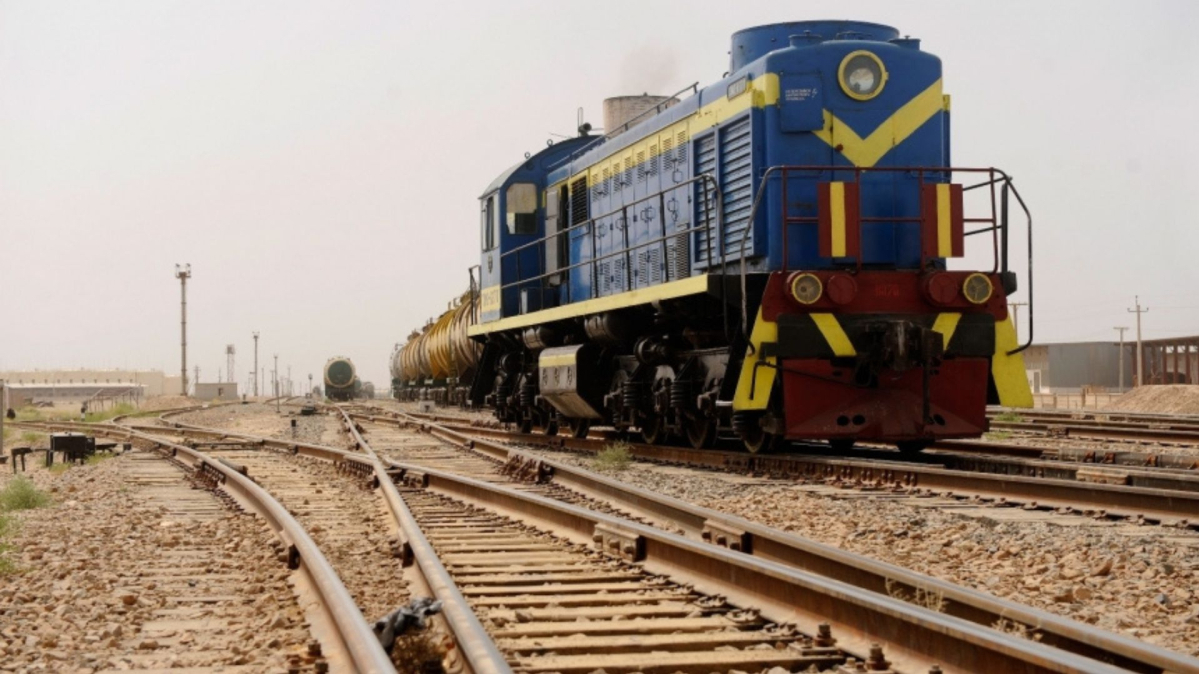
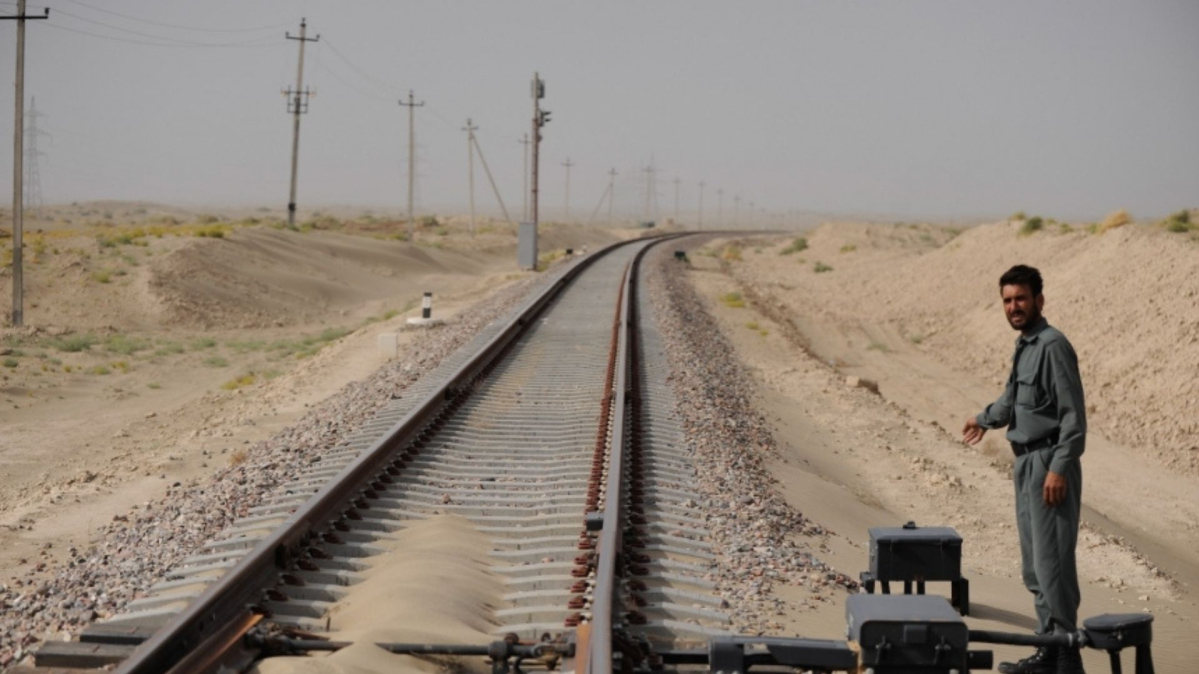
Afghanistan and Uzbekistan have agreed to advance studies for the Trans-Afghan railway during talks in Uzbekistan on Wednesday, as both countries seek to expand freight links between Central and South Asia.
Mohammad Ishaq Sahibzada, Afghanistan's Deputy Minister for Railways at the Ministry of Public Works, led a technical delegation that met Zufar Narzullayev, Director General of Uzbekistan Railways.
Explaining the purpose of the visit, the ministry said, “The meeting aimed to strengthen bilateral railway cooperation, follow up on joint projects and accelerate the implementation of infrastructure projects between the two countries.”
Technical teams discussed a feasibility assessment for the project, the transfer of survey documents for the Herat–Mazar-e-Sharif railway, and the construction of new warehouses and branch lines along the Hairatan–Mazar-e-Sharif railway.
The delegations also discussed increasing freight volumes through Hairatan.
Summarising the outcome, the ministry said, “Both sides emphasised strengthening bilateral railway cooperation, expanding trade relations, increasing the transportation of commercial goods and providing greater facilities for traders and investors.”

The existing 75-kilometre Hairatan–Mazar-e-Sharif railway was built with a $165 million Asian Development Bank grant and links northern Afghanistan with Uzbekistan.
Uzbekistan has also supported Afghanistan through electricity supplies, rail operations and border trade facilities in Termez. According to the Uzbek government, the two countries signed 35 trade and investment agreements worth $2.5 billion in 2024.
The Trans-Afghan railway remains at the feasibility stage. A trilateral framework signed by Afghanistan, Uzbekistan and Pakistan in July 2025 covers studies for a 573-kilometre route to the Kharlachi border crossing in Pakistan.
Uzbek estimates put the cost at about $4.8 billion, with capacity of up to 20 million tonnes a year. However, the Afghan statement gave no timetable or financing details.
Iran and the United States remain at loggerheads over efforts to agree a permanent end to the war in the Gulf, according to a senior Iranian source who said there had been no progress in talks to revive the interim deal agreed in June and define a timeframe to implement it.
U.S. President Donald Trump has called for Iran to pay compensation for decades of deaths and damage, adding a new demand to peace talks as Tehran seeks compensation and sanctions relief before reopening the Strait of Hormuz.
Disruption in the Strait of Hormuz has increased the strategic importance of Bab al-Mandab, raising fears that instability in both waterways could trigger a wider global energy and trade crisis.
A criminal court in Damascus has sentenced former Syrian President Bashar al-Assad to death in absentia for premeditated murder, torture, arbitrary detention and crimes against humanity, according to Syria’s state news agency SANA.
Millions of people across Spain and Iceland are preparing on Wednesday to witness a rare total solar eclipse, when the moon will pass directly between Earth and the Sun, briefly turning daylight into darkness along a narrow path.
Central Asia’s economy has surpassed $543 billion, driven by Kazakhstan’s economic weight, strong exports and foreign investment, while growing trade across Asia points to an increasingly connected region.
The United Nations refugee agency is planning a settlement and carpet-weaving workshop for Afghan returnees in Kabul as the country grapples with large-scale returns and growing pressure on housing, jobs and basic services.
Iran will soon join the New Development Bank (NDB), the lender established by BRICS nations, Central Bank Governor Abdolnaser Hemmati said in a state media report on Wednesday ahead of a BRICS finance meeting in India.
Azerbaijan's President Ilham Aliyev has outlined an expanded vision for the Zangezur Corridor, describing it not simply as a transport route connecting mainland Azerbaijan with the Nakhchivan exclave, but as a future platform for energy, telecommunications and wider regional integration.
Iran and Russia are seeking closer cooperation on arms control and Iran’s nuclear programme as the two countries deepen strategic ties amid heightened tensions with the U.S. and Israel.
You can download the AnewZ application from Play Store and the App Store.
What is your opinion on this topic?
Leave the first comment