Afghanistan recorded 483 suspected cases of Crimean-Congo haemorrhagic fever (CCHF) and 21 deaths in June 2026, a 174.4% increase from May, with the World Health Organization (WHO) linking the surge to livestock contact and animal slaughter during Eid al-Adha.
Cases surge after Eid
The WHO said the June total increased from 176 suspected cases and nine deaths recorded in May.
The report said: “A total of 483 suspected cases of CCHF with 21 associated deaths (monthly CFR 4.3%) were reported compared to 176 cases and nine deaths reported in May.”
The agency linked the sharp rise to activities during the Muslim festival.
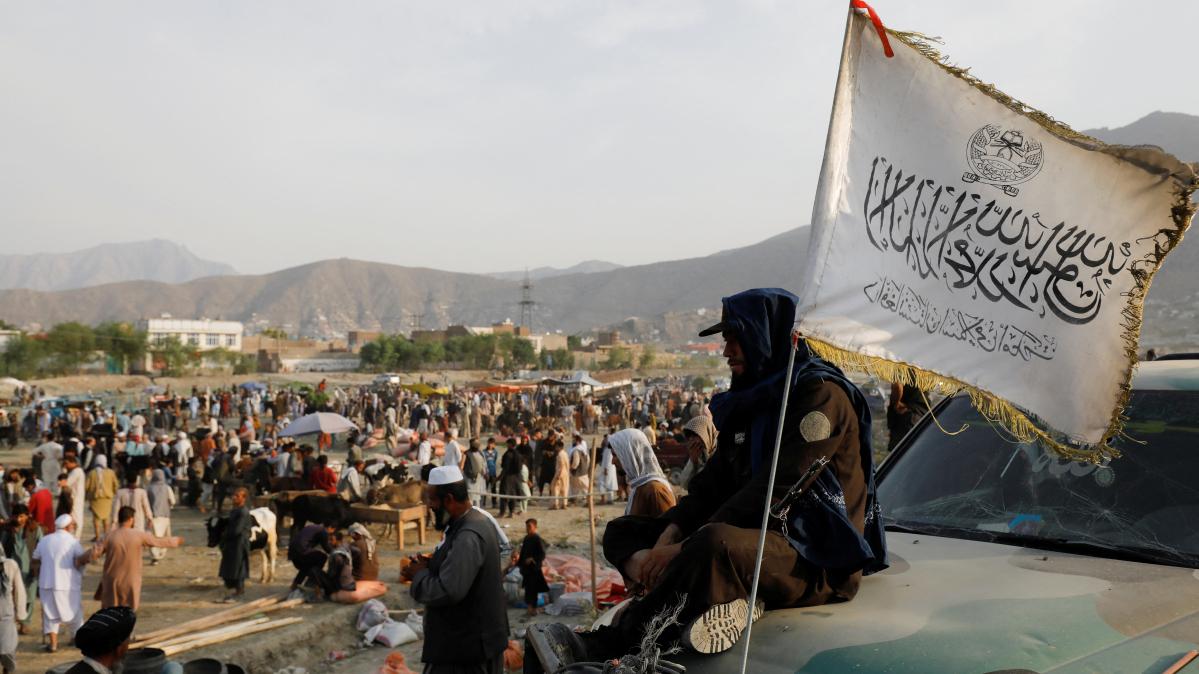
“The surge is likely attributable to the Eid ul-Adha period, during which increased exposure to livestock and animal slaughtering activities elevates the risk of transmission,” the report said.
Who is most at risk?
CCHF is mainly spread through tick bites or contact with infected animal blood and tissue. The WHO said farmers, slaughterhouse workers, veterinarians and healthcare workers face the highest risk. There is no widely available vaccine.
Health system under pressure
Afghanistan remains highly vulnerable to disease outbreaks. The WHO estimates that 14.4 million people will require health assistance in 2026. Reduced funding led to the closure of more than 422 health facilities in 2025, limiting access to care for around three million people.
The June report recorded 956 suspected CCHF cases and 46 deaths since January.
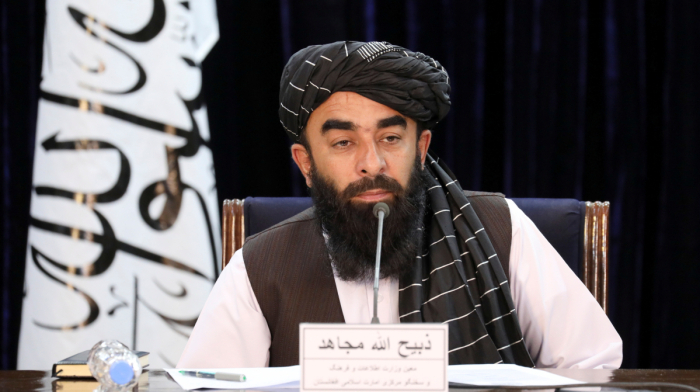
The Taliban authorities had not commented on the June figures at the time of publication. However, the Ministry of Public Health had earlier trained healthcare workers and launched prevention campaigns ahead of Eid.

















What is your opinion on this topic?
Leave the first comment