Tashkent forum attracts global investors and strengthens economic ties
More than 8,300 participants from 100 countries have gathered in Uzbekistan's capital for the fifth Tashkent International Investment Forum (TIIF-2026...
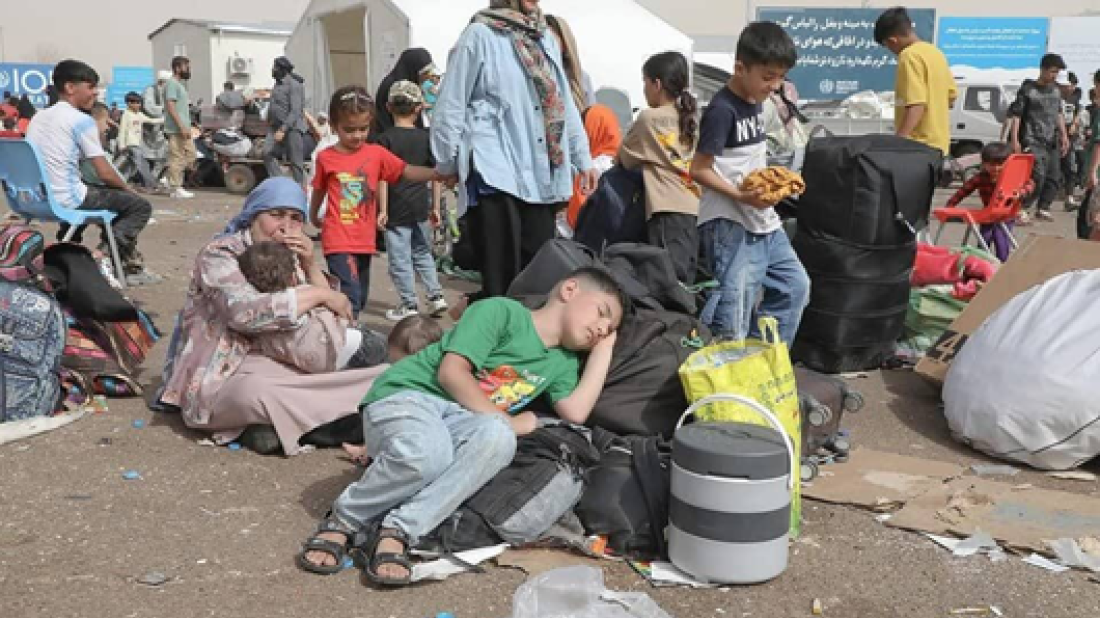
The World Health Organization (WHO) has warned that Afghanistan is facing a worsening humanitarian and health crisis in 2025, with millions of returning refugees expected to stretch the country’s already fragile health system.
In its latest report, the WHO said about 1.6 million Afghans are expected to return from Pakistan and nearly 2 million from Iran this year, fuelling further strain on healthcare. The agency urged the international community to step up support.
Dr Luo Dapeng, the WHO Representative in Afghanistan, said the situation was urgent, warning that “the health system is fragile, under-resourced, and cannot cope alone with the scale of need”.
The report found that 22.9 million Afghans – nearly half the country’s population – will need humanitarian assistance in 2025. However, current plans only cover 16.8 million people, leaving a funding gap of $2.42 billion.
Afghanistan’s rural areas remain the most vulnerable, with many communities lacking access to basic services. WHO also highlighted the risk of outbreaks of polio, malaria, COVID-19, diarrhoeal disease, and other infections. According to UNICEF, more than 875,000 Afghan children under five suffer from severe acute malnutrition, increasing their vulnerability to disease.
Globally, malaria alone killed more than 600,000 people in 2022, according to WHO, underscoring fears that Afghanistan could see a surge if prevention measures falter.
Humanitarian analysts warn that unless urgent funding is secured, the crisis could escalate ahead of winter.

Details of a reported draft memorandum of understanding between the United States and Iran offer the clearest picture yet of how both sides plan to end months of conflict and move towards a longer-term settlement.
The U.S. and Iran say they have reached a deal to end their conflict, with an immediate ceasefire and reopening of the Strait of Hormuz after the lifting of the U.S. naval blockade. Talks will continue over the next 60 days to finalise the agreement
A senior U.S. official said on Monday that the memorandum of understanding linked to the U.S.-Iran agreement had been signed by President Donald Trump, Vice President JD Vance and Iranian Parliament Speaker Mohammad Bagher Qalibaf.
Israeli Prime Minister Benjamin Netanyahu has told U.S. President Donald Trump that Israel does not consider itself bound by a Lebanon-related provision in an emerging agreement with Iran, according to Israeli officials.
A strong 6.7-magnitude earthquake struck Indonesia's Sulawesi island early Tuesday, killing at least one person and injuring four, according to emergency authorities.
Seven people have been arrested in Italy over suspected sabotage attacks on high-speed railway lines during the Winter Olympics earlier this year.
Pakistan's heavy reliance on imported energy was laid bare by the U.S.-Iran conflict, which disrupted regional supplies, drove up costs and exposed vulnerabilities in the country's energy security. However, a proposed peace agreement now offers hope for economic relief.
The UK has unveiled a major new package of sanctions against Russia, targeting the shadow fleet, military supply chains and financial networks that support the Kremlin's war in Ukraine.
Russian sailors aboard a naval frigate fired warning shots at a civilian yacht in the English Channel on Tuesday after the vessel reportedly came too close, according to a source familiar with the incident.
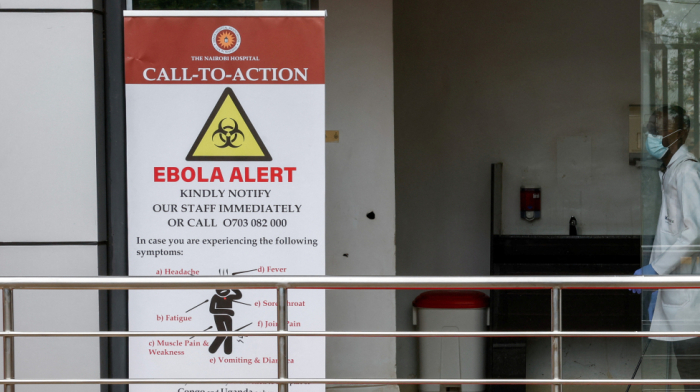
Leaders of the Group of Seven (G7) have called for a strong and coordinated international response to the Ebola outbreak in the Democratic Republic of the Congo, urging countries to commit more resources to contain the spread of the virus.
You can download the AnewZ application from Play Store and the App Store.
What is your opinion on this topic?
Leave the first comment