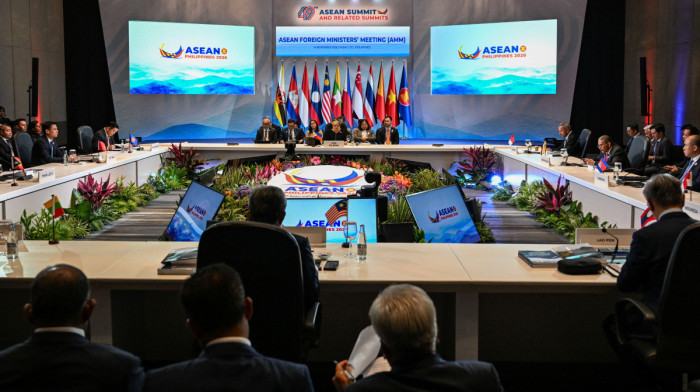
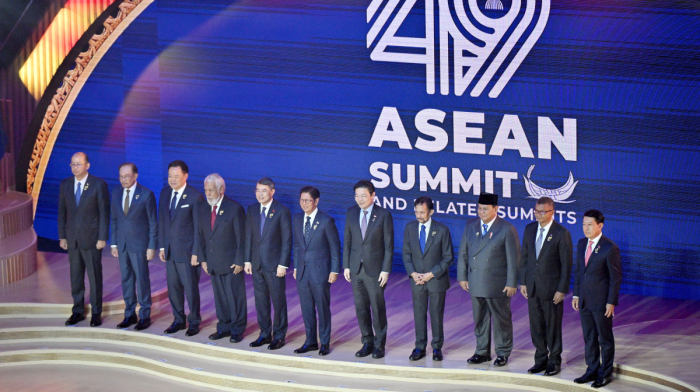
ASEAN-China South China Sea deal stalls over key disputes
ASEAN and China have failed to finalise a long-delayed code of conduct for the South China Sea, despite reaching provisional agreement on about 80 ...
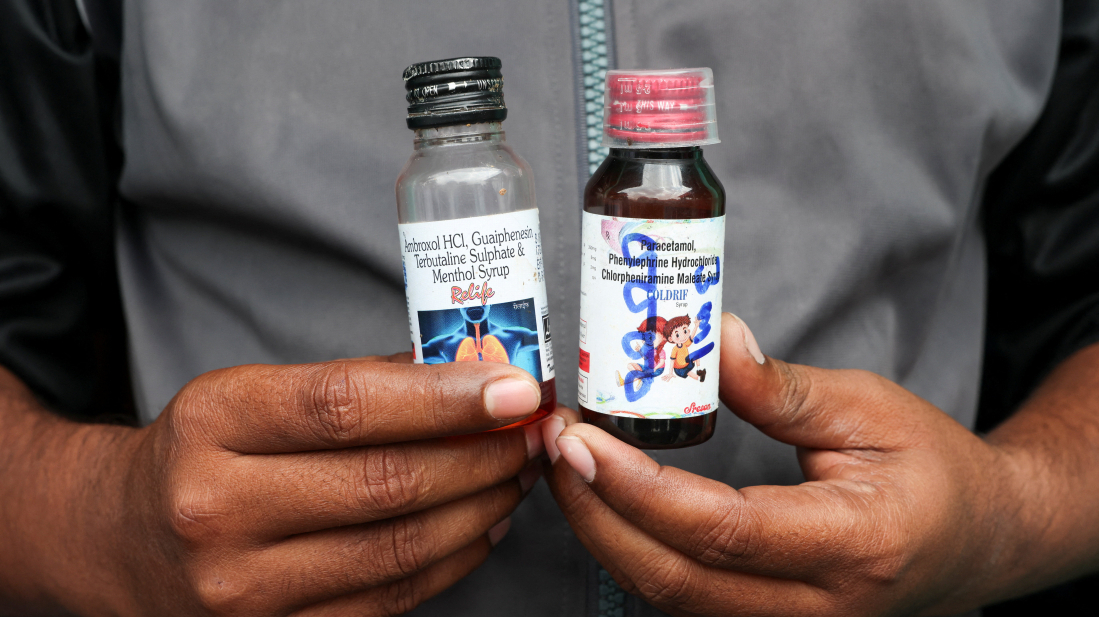
The World Health Organization on Monday issued a health advisory warning about three contaminated cough syrups identified in India, urging authorities to report any detection of these medicines in their countries to the health agency.
The WHO said the affected medicines are specific batches of Coldrif from Sresan Pharmaceutical, Respifresh TR from Rednex Pharmaceuticals and ReLife from Shape Pharma.
The agency said the contaminated products pose significant risks and can cause severe, potentially life-threatening illness.
India's health authority, the Central Drugs Standard Control Organization, informed the WHO the syrups were reportedly consumed by children, all under the age of five, who recently died in the central state of Madhya Pradesh's Chhindwara district.
The cough medicine contained toxic diethylene glycol in quantities nearly 500 times the permissible limit.
CDSCO said none of the contaminated medicines have been exported from India and there is no evidence of illegal export.
The U.S. Food and Drug Administration confirmed on Friday that these toxic cough syrups had not been shipped to the United States.
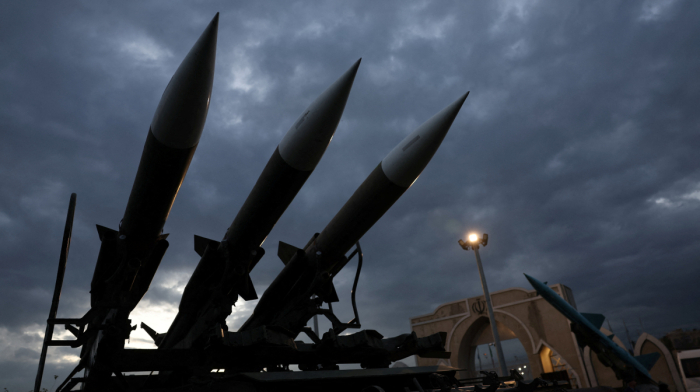
Saudi Arabia said it intercepted two Houthi ballistic missiles targeting Riyadh and three drones in its oil-rich Eastern Province on Sunday (15 November), as Iran's Revolutionary Guards claimed separate attacks on a U.S. military facility in Bahrain.
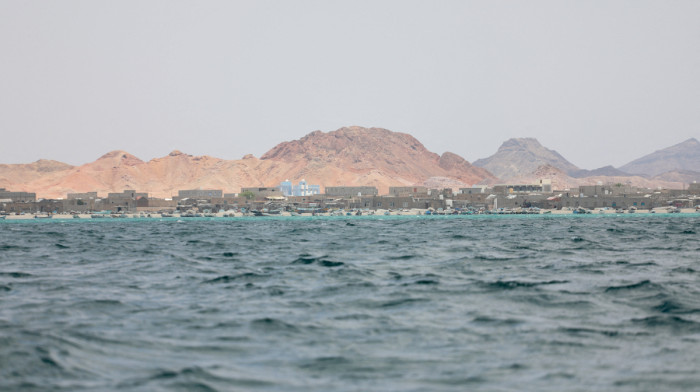
Yemeni forces fighting for the internationally recognised Saudi-backed government said on Sunday that they were withdrawing from an area overlooking the strategic Bab el-Mandeb Strait, leaving the Iran-aligned Houthis in control.
Afghanistan’s Ministry of Education has challenged a United Nations report on access to education, saying its findings do not reflect the full picture of the country’s education system.
U.S. air travel is not expected to return to normal schedules until late on Sunday (15 November), the head of the FAA said, as the aviation system gradually recovers from a nationwide flight shutdown that officials blamed on routine maintenance gone awry.
Southeast Asian leaders opened the 49th ASEAN Summit in Manila Sunday, with Myanmar's crisis, security and economic uncertainty dominating talks. Philippine President Ferdinand Marcos Jr. called for continued engagement with Myanmar and urged a stronger response to conflict and energy disruptions.
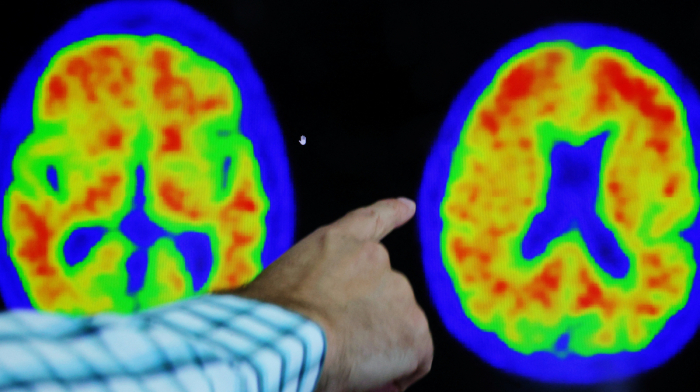
A new study in mice suggests the brain’s protective barrier does more than block harmful substances. It also delivers essential proteins from the body, a process that may break down early in Alzheimer’s disease and offer a new target for treatment.
Here's your AnewZ Daily Brief for the 5th of November, as health emergencies, humanitarian crises, political shifts, and cybersecurity threats put governments and essential services under pressure across the globe. Here are five stories worth your attention.
Kazakhstan plans to manufacture 494 types of medicines through eight major investment projects worth a combined $862 million, Health Minister Akmaral Alnazarova announced on 3 November, local media reported.
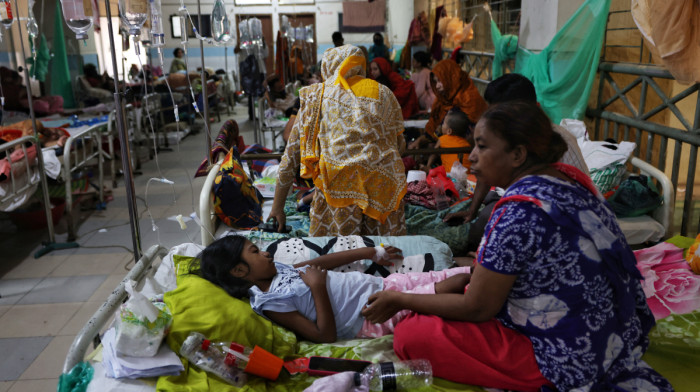
Dengue fever has killed more people in Bangladesh this year than in the whole of 2025, with October the deadliest month so far, data from Bangladesh's Health Ministry shows.
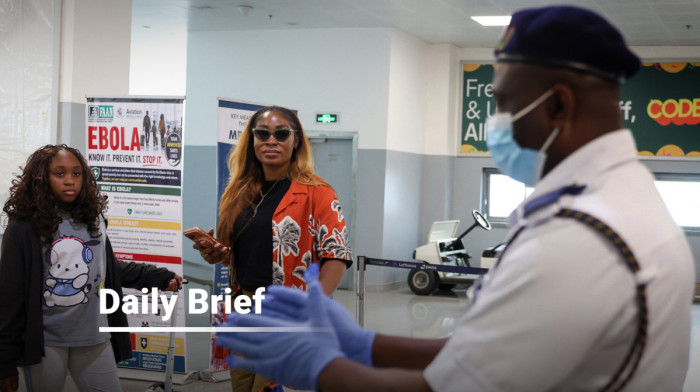
Visitors to Armenia could face temperature screening after a lab worker died from suspected Pneumonic plague in Russia, Yerevan’s Health Minister Anahit Avanesyan told lawmakers on Wednesday, Armenian state news agency Armenpress reported.
You can download the AnewZ application from Play Store and the App Store.
What is your opinion on this topic?
Leave the first comment