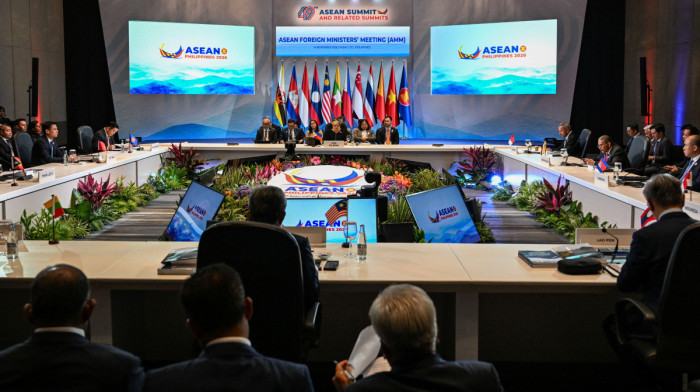
ASEAN-China South China Sea deal stalls over key disputes
ASEAN and China have failed to finalise a long-delayed code of conduct for the South China Sea, despite reaching provisional agreement on about 80 ...
A recent study shows that women face a higher risk of job loss due to artificial intelligence (AI) and are 20% less likely than men to use generative AI tools, reducing their chances of working in AI-reliant roles.
According to the Independent, women are twice as likely to hold roles considered “at risk” from automation, meaning rapid technological advances could leave them behind.
The research highlights that female-dominated roles, such as administration, bookkeeping, cashiering, and office staff, are particularly vulnerable to automation-related job losses.
The AI Gender Gap report by consulting firm Credera found that only 22% of the global AI workforce are women.
Supermums, a social enterprise supporting women entering the technology sector, warned that these findings show a real risk of women being left behind as technology progresses.
Heather Black, founder of Supermums, particularly highlighted the impact on mothers, saying they are likely to “pay the price” as AI advances.
“Essentially, women, especially mums, are going to be the ones paying the price in the rise of AI,” she told the Independent.
“AI is here to stay, whether we personally use it or not, so learning how it works and how to make the most of it is key,” she said.
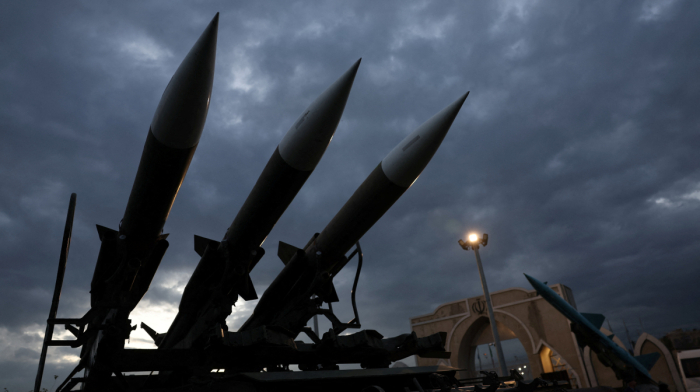
Saudi Arabia said it intercepted two Houthi ballistic missiles targeting Riyadh and three drones in its oil-rich Eastern Province on Sunday (15 November), as Iran's Revolutionary Guards claimed separate attacks on a U.S. military facility in Bahrain.
Yemeni forces fighting for the internationally recognised Saudi-backed government said on Sunday that they were withdrawing from an area overlooking the strategic Bab el-Mandeb Strait, leaving the Iran-aligned Houthis in control.
Afghanistan’s Ministry of Education has challenged a United Nations report on access to education, saying its findings do not reflect the full picture of the country’s education system.
U.S. air travel is not expected to return to normal schedules until late on Sunday (15 November), the head of the FAA said, as the aviation system gradually recovers from a nationwide flight shutdown that officials blamed on routine maintenance gone awry.
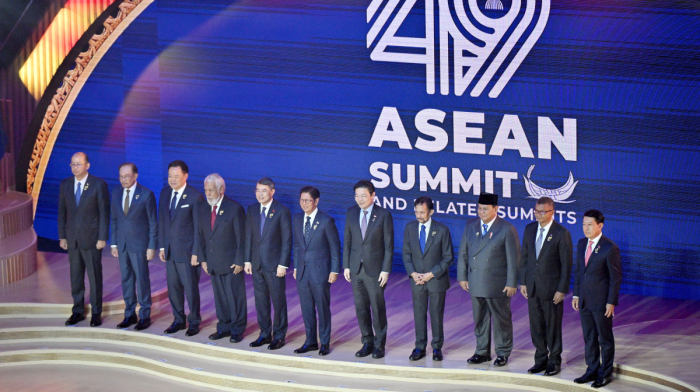
Southeast Asian leaders opened the 49th ASEAN Summit in Manila Sunday, with Myanmar's crisis, security and economic uncertainty dominating talks. Philippine President Ferdinand Marcos Jr. called for continued engagement with Myanmar and urged a stronger response to conflict and energy disruptions.
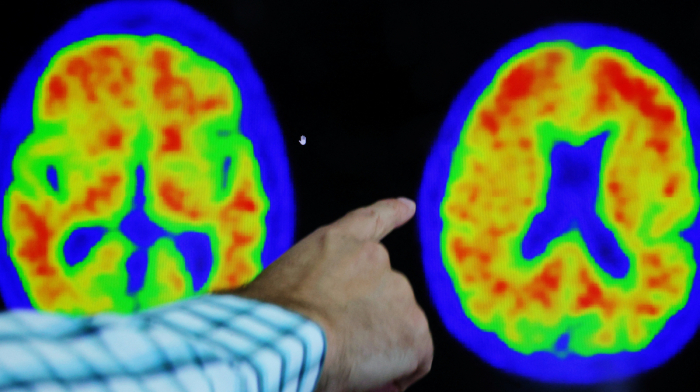
A new study in mice suggests the brain’s protective barrier does more than block harmful substances. It also delivers essential proteins from the body, a process that may break down early in Alzheimer’s disease and offer a new target for treatment.
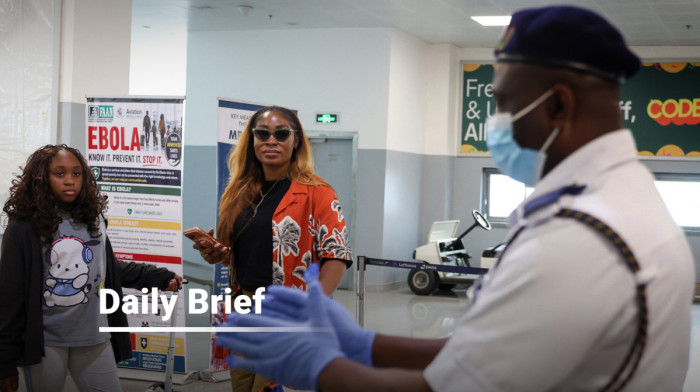
Here's your AnewZ Daily Brief for the 5th of November, as health emergencies, humanitarian crises, political shifts, and cybersecurity threats put governments and essential services under pressure across the globe. Here are five stories worth your attention.
Kazakhstan plans to manufacture 494 types of medicines through eight major investment projects worth a combined $862 million, Health Minister Akmaral Alnazarova announced on 3 November, local media reported.
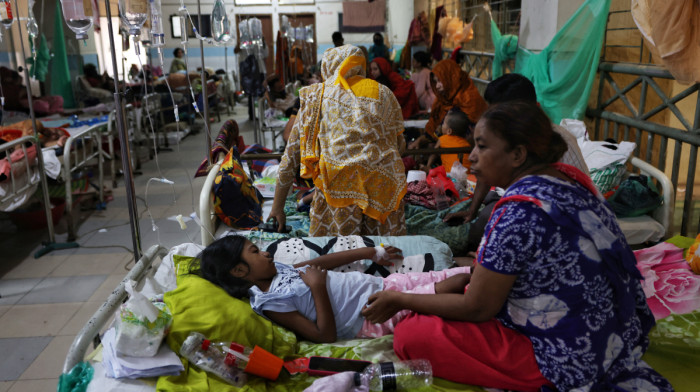
Dengue fever has killed more people in Bangladesh this year than in the whole of 2025, with October the deadliest month so far, data from Bangladesh's Health Ministry shows.
Visitors to Armenia could face temperature screening after a lab worker died from suspected Pneumonic plague in Russia, Yerevan’s Health Minister Anahit Avanesyan told lawmakers on Wednesday, Armenian state news agency Armenpress reported.
You can download the AnewZ application from Play Store and the App Store.
What is your opinion on this topic?
Leave the first comment