Mali attacks: Militants strike Bamako and regional towns as explosions and gunfire reported
Militants have staged coordinated attacks in Mali’s capital, Bamako, and several locations across the country, the army said on Saturday (...
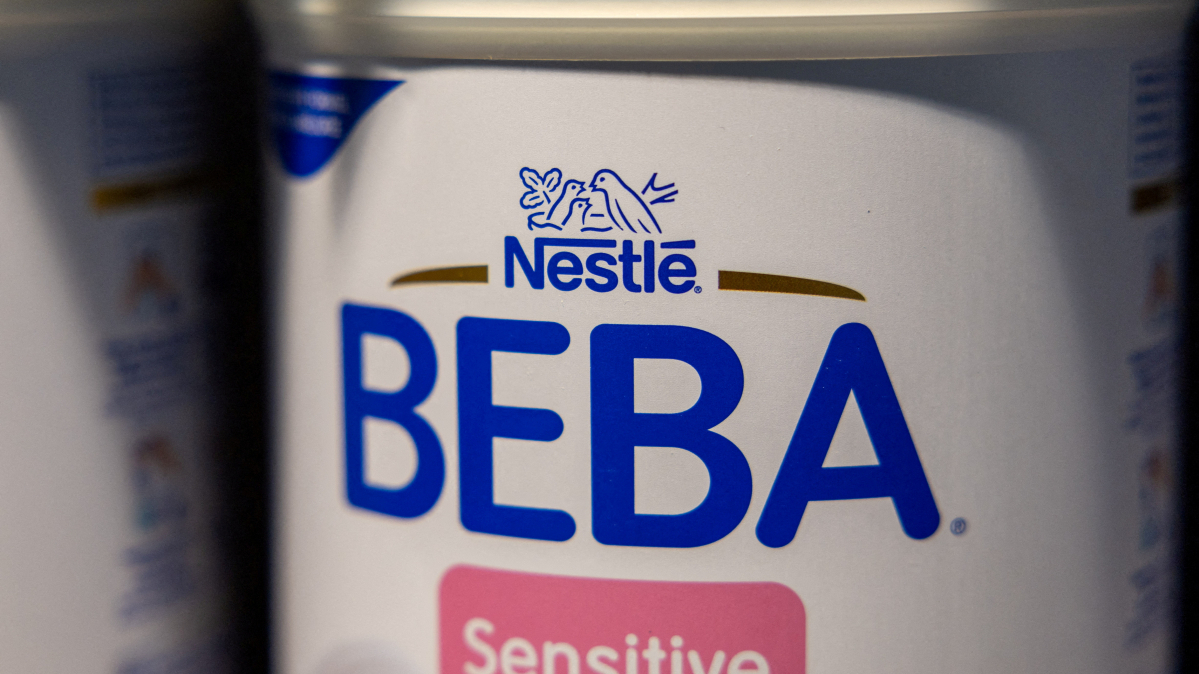
Belgian authorities are examining suspected cases of infants falling ill after consuming recalled Nestle baby formula, amid warnings that confirmed infections may be underestimated due to limited testing requirements.
Belgian health authorities are investigating reports of babies who may have become sick after consuming contaminated Nestle baby formula, following a nationwide recall that has now widened across multiple continents.
The Flemish Department of Healthcare said the number of affected infants in Flanders may be higher than currently known. Spokesperson Joris Moonens told broadcaster VRT that doctors are not required to test for cereulide, the bacterial toxin at the centre of the recall, meaning potential cases may go undetected. The toxin can cause nausea, vomiting, and diarrhea.
The region’s first confirmed case was reported on 23 January. Since then, authorities have urged doctors to report any infant who consumed recalled formula and displays related symptoms. Moonens said the confirmed total is likely an “underestimation”.
Belgium’s Federal Agency for the Safety of the Food Chain (FAVV) is reviewing around 20 reports from parents whose babies fell ill after using recalled products. Spokesperson Helene Bonte said the agency can collect leftover powder from households for laboratory analysis.
Nestle initially retrieved some products from Belgian homes but later halted the practice. The recall has since expanded internationally. French companies Danone and Lactalis have withdrawn items after cereulide was detected in ingredients from a shared supplier. Nestle said the affected products were distributed in more than 50 countries across Europe, the Americas, Asia, Oceania, and Africa.
In a video message, Nestle CEO Philipp Navratil apologised to parents and described the incident as “the largest preventive recall in Nestle’s history.”

Ukrainian President Volodymyr Zelenskyy is in Azerbaijan for talks with President Ilham Aliyev, holding meetings in Gabala on Saturday (25 April) during a working visit to the country.
China’s growing use of electric and hydrogen-powered vehicles took centre stage at the Beijing Auto Show 2026, which opened on 24 April, highlighting the country’s expanding clean transport ambitions.
U.S. President Donald Trump and First Lady Melania Trump were rushed out of the White House Correspondents' Association Dinner by Secret Service agents after a 31 year old suspect attempted to storm event.
Militants have staged coordinated attacks in Mali’s capital, Bamako, and several locations across the country, the army said on Saturday (25 April), in an assault apparently involving jihadist and Tuareg-led groups.
More than 1,000 firefighters are battling to contain two major wildfires in northern Japan for a fourth consecutive day, as flames advance towards residential areas and force thousands to flee.
Jars of baby food deliberately tampered with rat poison and discovered in Austria, the Czech Republic and Slovakia were part of an attempted extortion plot targeting manufacturer HiPP, German police said on Monday.
More than half of Haiti’s population is facing acute food insecurity, prompting the United Nations World Food Programme (WFP) to warn that recent progress in tackling hunger remains fragile and could quickly be reversed without urgent support.
A Chinese biotechnology company is stepping up efforts to combine artificial intelligence (AI) with advanced genetic testing in a bid to improve the success rates of in vitro fertilization (IVF), while also tapping into growing demand for fertility services.
Austria’s government on Friday approved plans to introduce a nationwide ban on social media use for children under the age of 14, alongside reforms to upper secondary school curricula aimed at boosting media literacy and Artificial Intelligence (AI) education from the 2027/28 academic year.
The UK Health Security Agency (UKHSA) said that as of Wednesday evening, it has identified six new cases of meningococcal disease in Kent, bringing the total of confirmed or suspected cases to at least 27.
You can download the AnewZ application from Play Store and the App Store.
What is your opinion on this topic?
Leave the first comment