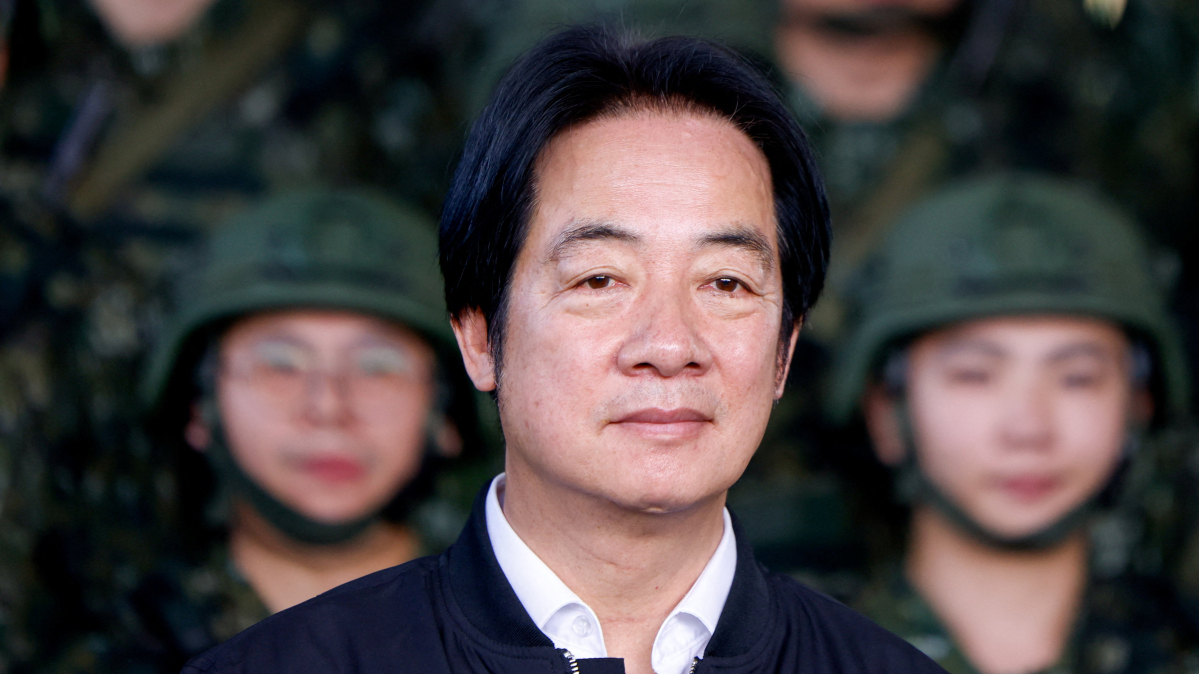
Taiwan’s President Lai Ching-te has reaffirmed the island’s commitment to sovereignty and regional stability following the recent meeting between U.S. President Donald Trump and Chinese leader Xi Jinping.
In a detailed public statement posted on his Facebook account, Lai said developments from the Beijing talks had prompted widespread concern in Taiwan, particularly regarding how the issue of the island was addressed.
He noted that the United States, particularly President Trump and Secretary of State Marco Rubio, had reiterated that its policy towards Taiwan remained unchanged. Lai thanked Washington for its continued attention to peace and stability across the Taiwan Strait and for its support.
Taiwan pledges stability but rejects pressure
Lai stressed that Taiwan would continue to act responsibly in maintaining regional peace. He said the island would not provoke or escalate tensions, while making clear it would not yield under pressure.
“Taiwan will not relinquish its national sovereignty and dignity, or its democratic and free way of life,” he said, adding that safeguarding the status quo remained a core consensus among Taiwan’s 23 million people.
He described Taiwan as a “responsible party” committed to stability across the Taiwan Strait, rejecting any suggestion that it was seeking to alter the existing balance.
China accused of driving regional instability
The Taiwanese president placed responsibility for rising tensions on Beijing, saying China had significantly increased military and political pressure in recent years.
He pointed to expanded military activity, including aircraft and naval operations near Taiwan, large-scale exercises and what he described as “grey zone coercion” across the region.
Lai said these actions posed a wider security challenge beyond Taiwan, affecting the broader Indo-Pacific and the so‑called First Island Chain. He added that China was “the root cause of undermining regional peace and stability”.
Sovereignty and political status reaffirmed
Reiterating Taiwan’s position, Lai said the Republic of China, Taiwan’s formal name, is “a sovereign and independent democratic country”.
He rejected claims that there is a “Taiwan independence issue”, arguing that the island’s current status reflects the will of its people and must be preserved.
While expressing openness to dialogue with Beijing, he said any engagement must be conducted based on “equality and dignity” and warned that attempts to pressure or coerce Taiwan under the banner of unification would not be accepted.
Security ties with the U.S. seen as essential
Lai emphasised the importance of Taiwan’s security cooperation with the United States, describing it as a key factor in maintaining regional stability.
He said arms sales under the Taiwan Relations Act provide a vital deterrent, particularly as China has not ruled out the use of force to bring Taiwan under its control.
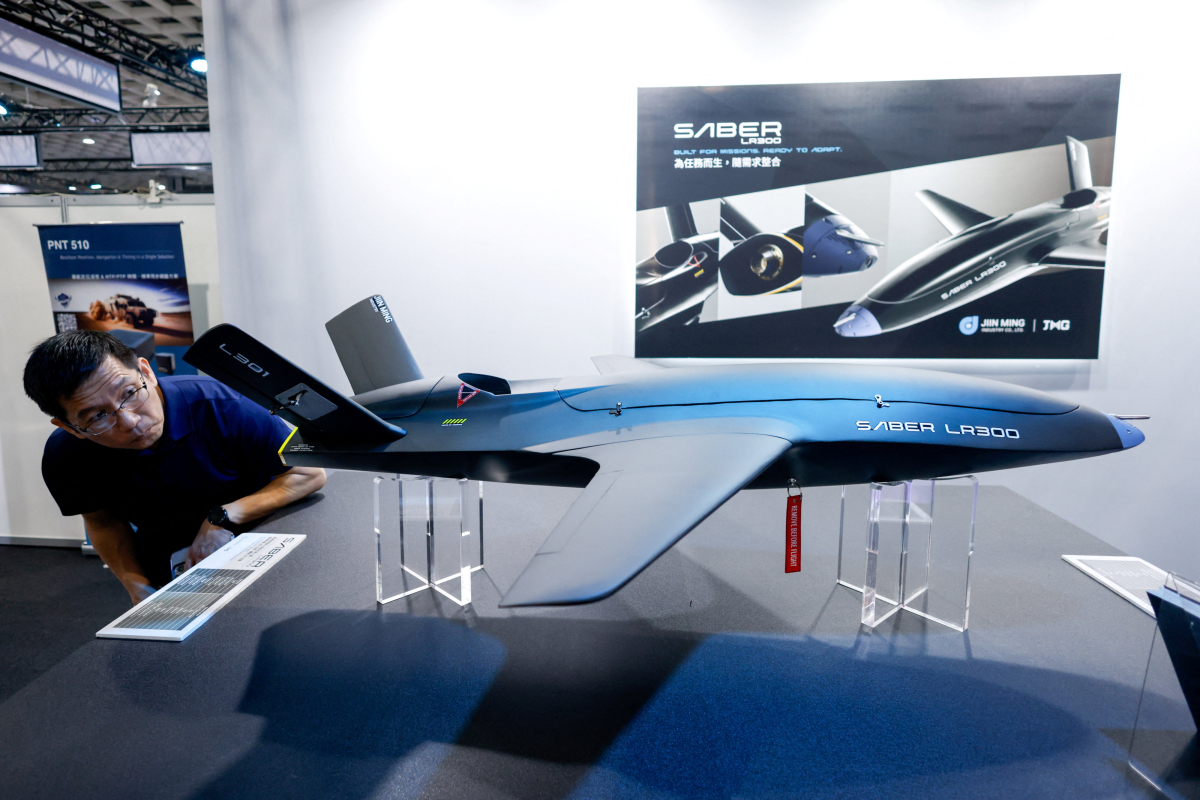
The president added that Taiwan has also been strengthening its own defence capabilities, including increasing spending, pursuing military reform and improving resilience.
Taiwan’s role in the global economy
Lai also highlighted Taiwan’s strategic importance, describing it as a key hub in global supply chains and in sectors such as semiconductors and artificial intelligence.
He warned that instability in the Taiwan Strait would have far-reaching consequences for global trade, economic security and international order.
“Taiwan is a core global interest,” he said, adding that peace and stability in the region “will never be sacrificed or traded away”.
Commitment to peace and cooperation
In his closing remarks, Lai said Taiwan would continue to work with partners to maintain peace, while strengthening its own defences.
He said long-term stability depended on deterrence, democratic resilience and close cooperation with allies, adding that Taiwan would remain committed to contributing positively to regional and global security.











What is your opinion on this topic?
Leave the first comment