U.S. President Donald Trump will meet Chinese leader Xi Jinping in Beijing next week on a two-day visit, his first trip to China in eight years. Delayed for two months by the Iran conflict, Taiwan, industrial matters, and the Strait of Hormuz are likely to dominate the talks.
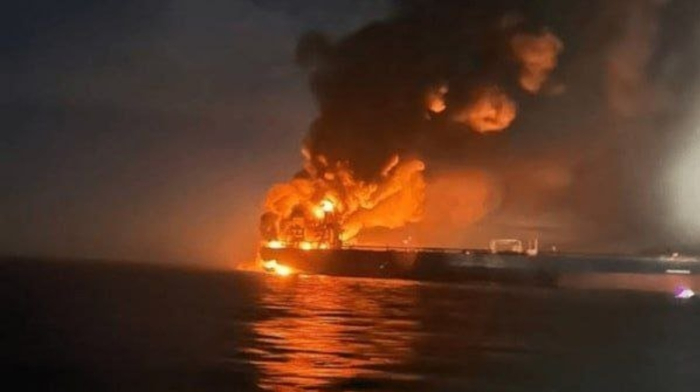
Top of the meeting’s agenda is expected to be the Iran war and specifically the Strait of Hormuz. The sea passage through which 20% of the world’s oil usually passes has been for the most part closed off to shipping by Iran since the U.S. and Israel struck Tehran at the end of February.
Speaking about the summit on Monday (4 May) U.S. Treasury Secretary Scott Bessent urged Beijing to use its influence to help reopen the strait to international shipping.
China is the world’s biggest crude oil importer and has been the main buyer of Iranian oil in recent years, but so far it has declined to sign-up to U.S. efforts aimed at pressuring Tehran to end its effective blockade of the sea passage.
In April, Beijing, along with Russia, vetoed a United Nations Security Council resolution proposed by Gulf states and backed by the U.S. aimed at protecting commercial shipping in the Strait of Hormuz.
On Saturday (2 May), Beijing took the unprecedented step of ordering Chinese companies to defy U.S. sanctions targeting trade with Iran.
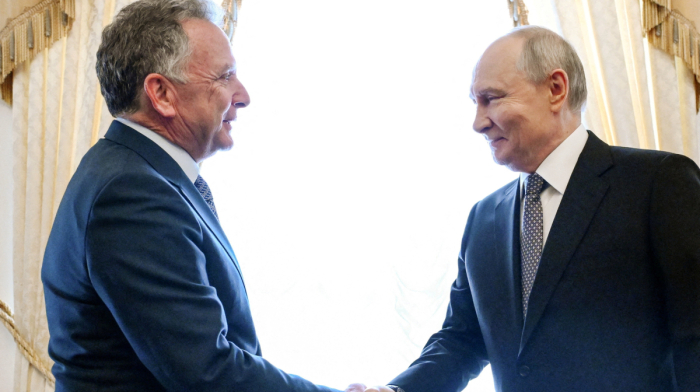
Despite this, during a visit to Beijing on Thursday (7 May), U.S. lawmaker and Trump ally Steve Daines spoke positively of a meeting China’s top diplomat Wang Yi had with Iranian Foreign Minister Abbas Araghchi the day before, saying it was evidence of China’s engagement.
A key test could be whether Washington persuades Beijing not to veto a new U.S. drafted UN resolution aimed at reopening the Strait of Hormuz. Chinese officials are currently scrutinising the new resolution, but unnamed diplomats told Reuters on Thursday that early signs were not positive.
Taiwan remains a stumbling block
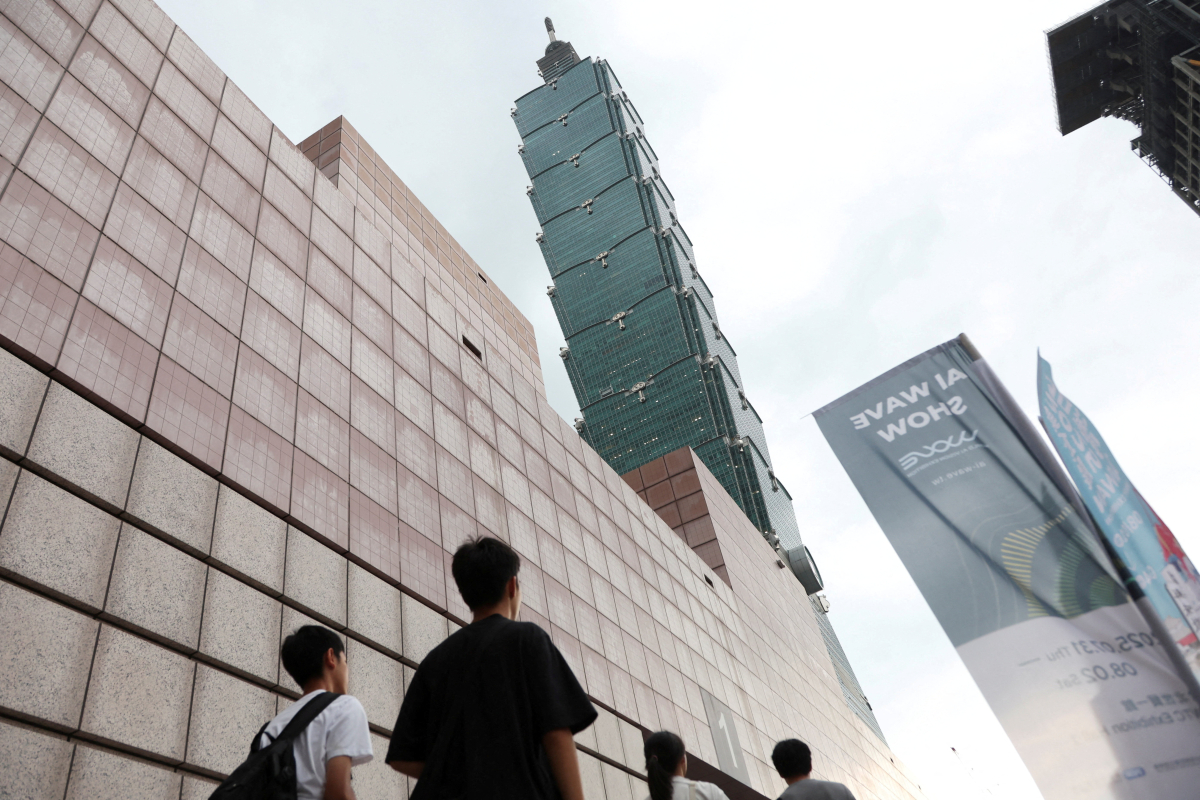
Another sticking point between the two countries and the primary longstanding source of tension between the U.S. and China is Washington’s weapons sales and diplomatic support to Taiwan.
Taiwan and China split due to the outcome of the civil war in 1949. Taiwan has its own elected government but Beijing claims the island as its own territory and has not ruled out the use of force to take it.
The U.S. is bound by a 1979 law to provide Taiwan with the means to defend itself and Xi is expected to raise objections to Washington’s arms sales to the island when he meets Trump.
Ahead of the summit, Chinese officials have put out unusually strong worded statements about the issue.
On Thursday (7 May), Chinese Foreign Ministry spokesperson Lin Jian said the U.S. must adhere to Beijing’s ‘One China’ principle to maintain good relations.
“The Taiwan question is at the core of China’s core interests and the bedrock of the political foundation of China-U.S. relations,” he said.
Positive signs on trade
An area where there could be more progress between the two superpowers is on industrial and trade matters. Following his meeting with Wang on Thursday, Senator Steve Daines hinted that extra orders of Boeing aeroplanes could be one outcome of talks between Trump and Xi.
“Perhaps we could see some more Boeing airplanes purchased, which I know would be something we would like to see,” he said.
Ahead of the summit, officials from both countries have also been discussing details of a potential deal covering Chinese agricultural purchases, investment agreements and a joint statement on artificial intelligence (AI) safeguards.
Beijing is pushing for the relaxation of sanctions and U.S. tech restrictions, such as Washington’s targeted curbs on the sale of advanced AI chips to China.
Any progress made in these areas, however, could be overshadowed by lack of developments in other areas as uncertainty remains over Washington’s strategy to end the conflict with Iran.











What is your opinion on this topic?
Leave the first comment