Senior U.S. State Department officials spent three days in Georgia meeting ministers, opposition figures and Church leaders as Washington intensifies its strategic engagement across the South Caucasus.
Three days, four very different meetings. In many ways, that summed up the U.S. State Department delegation’s visit to Tbilisi.
Assistant Secretary of State Charles Yockey and Peter Andreoli of the Bureau of European and Eurasian Affairs arrived on 24 May for a packed schedule that took them from the Economy Ministry to the Foreign Ministry, from the Patriarchal Residence to meetings with opposition leaders. The breadth of the itinerary was deliberate.
Trade routes and American money
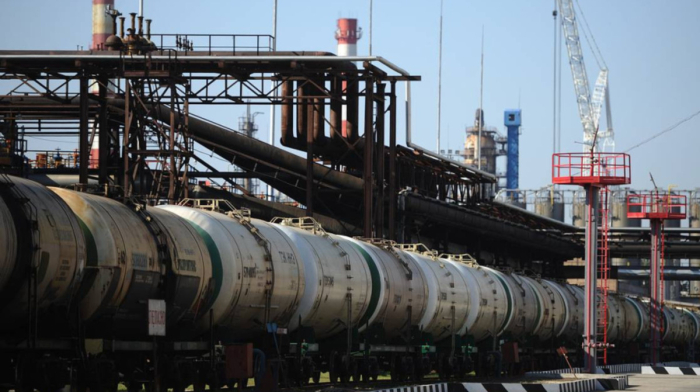
The official government meetings were dominated by discussions about the Middle Corridor - the freight route running from China and Central Asia across the Caspian Sea, through Azerbaijan and Georgia, and onwards to Turkey and Europe.
Traffic along the route has risen sharply as shipping companies reroute cargo away from Russia, with Georgia remaining the corridor’s main overland gateway to Europe.
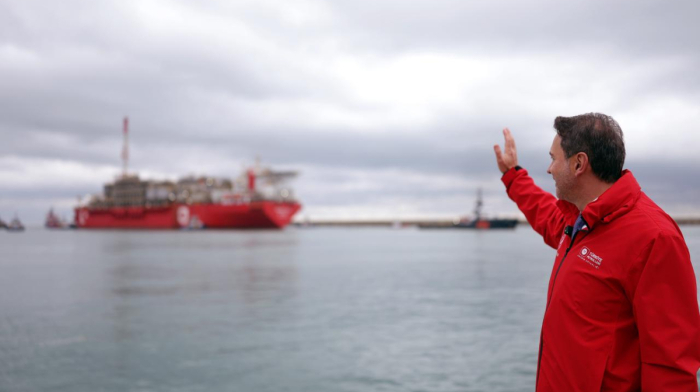
American investment is already visible in the country. The Poti New Seaport, built with $50 million from the U.S. International Development Finance Corporation, opened in 2022 and remains one of the clearest symbols of what economic cooperation between the two countries can look like when relations are functioning smoothly.
The talks also covered energy and logistics, with both sides describing the current dynamics in broadly positive terms. Whether that translates into anything more substantive remains, for now, an open question.
The Yerevan stop
The Tbilisi visit came a day after Secretary of State Marco Rubio travelled to Yerevan, where the U.S. and Armenia signed the TRIPP framework agreement - a deal focused on developing multimodal transit connectivity through southern Armenia.
The agreement is significant not only bilaterally, but for the wider region. It fits into the ongoing Armenia-Azerbaijan peace process, which has gathered momentum since both sides initialled a peace text in Washington last August, although full implementation remains pending.
A functioning TRIPP route would complement Georgia’s existing role in the corridor rather than replace it, and for Washington, both countries form part of the same strategic picture.
A changed neighbourhood
The South Caucasus Washington is engaging with today looks markedly different from even three or four years ago. Armenia has steadily repositioned itself, moving away from long-standing dependence on Moscow and opening up to Western partners. Azerbaijan has continued to pursue its own independent course.
The fragile peace process between the two countries has created space for a new regional economic architecture - and the United States has moved quickly to establish a role within it through the TRIPP agreement, investment projects and sustained diplomatic engagement.
For Georgia, historically the most pro-Western of the three South Caucasus states, the current moment is more ambiguous. Relations with Washington have been under genuine strain, and the delegation’s visit appeared to be as much about assessing the situation as announcing anything new.
Both sides of the divide
The fact that Yockey and Andreoli also met Coalition for Change leaders Nika Gvaramia, Zurab Japaridze and Giga Lemonjava was significant in itself. These are politicians who were on the streets during the 2024 protests, and whose colleagues are among those the opposition describes as political prisoners. The Americans listened to their concerns.
The opposition’s message was consistent: genuine economic and strategic cooperation between Georgia and the United States cannot take root, they argued, without an independent judiciary, the rule of law and the release of political prisoners.
Japaridze said plainly that he considered a full strategic partnership unrealistic under the current government. Gvaramia framed the issue in regional terms, arguing that Western interests cannot be pursued effectively in a country where, in his view, Russian interests are being advanced. Lemonjava focused on what he wants to see from international partners: increased pressure and a push for new elections.
The government presented the week’s discussions in an entirely different light, emphasising economic cooperation, connectivity and Georgia’s sovereign right to pursue its own interests. Parliament Speaker Shalva Papuashvili put it bluntly: Georgia acts in the interests of its own people, not foreign governments, and cooperation will happen where interests genuinely align.
At the Patriarchate
The delegation also visited Catholicos-Patriarch Shio III at the Patriarchal Residence, joined by Acting U.S. Ambassador Alan Purcell. The discussion touched on shared Christian values and the historical relationship between the two countries.
This year marks 1,700 years since Christianity became Georgia’s state religion, and the Patriarch extended a personal invitation to the Americans to attend the planned commemorations - a quieter moment in an otherwise highly political week, but not an insignificant one.
Where things stand
What the week ultimately demonstrated is that Washington’s interest in the South Caucasus is real and active. The question, particularly for Georgia, is what form that engagement will take going forward.
Signed agreements and infrastructure investment are one thing. The more difficult conversation - about democratic governance, political detainees and the rule of law - clearly remains on the table, and the Americans made a point of hearing perspectives from both sides.










What is your opinion on this topic?
Leave the first comment