More than a year after Pakistan and India were involved in their most serious military confrontation in decades, a key airspace restriction between the nuclear-armed neighbours remains in force.
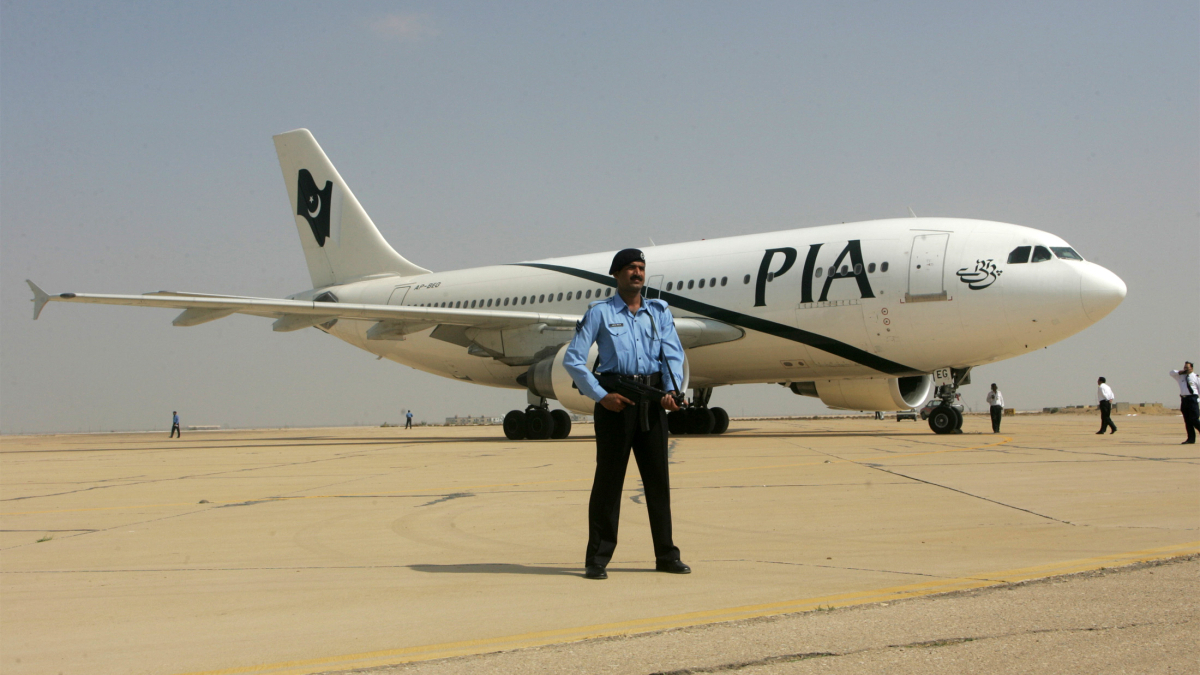
Pakistan has extended its ban on Indian aircraft from using its airspace until 24 September, according to a new Notice to Airmen (NOTAM) issued by the Pakistan Airports Authority on Wednesday, 19 August.
The restriction covers Indian-registered aircraft and aircraft owned, operated or leased by Indian airlines and operators, including military flights. It applies to both the Karachi and Lahore Flight Information Regions and replaces the previous restriction, which was due to expire on 23 August.
Why Pakistan extended the airspace ban
Pakistan and India imposed reciprocal airspace restrictions in April 2025 after relations deteriorated sharply following the 22 April Pahalgam attack in Indian-administered Kashmir, in which 26 people were killed, mostly tourists.
India accused Pakistan of supporting the attack. Islamabad denied the allegation and offered to participate in a neutral investigation.
Tensions escalated into four days of military confrontation in May 2025, bringing the two nuclear-armed neighbours into their most serious direct conflict in decades.
A ceasefire has held since then, but airspace restrictions have remained in place, with Pakistan repeatedly extending its ban.
The latest NOTAM keeps the restriction in force until 04:59 Pakistan Standard Time on 24 September. It is the 16th NOTAM issued in connection with the restriction.
Impact on Indian airlines and international flights
The ban has forced Indian airlines operating international routes to avoid Pakistani airspace, adding distance, fuel consumption and flying time to some westbound journeys.
Air India has been among the carriers affected because of its long-haul network to Europe and North America. The airline estimated in May 2025 that Pakistan's airspace restriction could cost it about $600 million over 12 months if it remained in place.
The impact extends beyond the two countries.
Airspace restrictions can alter international flight routes, operating costs and travel times, particularly for airlines flying between India and destinations to the west. Longer routes mean higher fuel and operating costs for airlines, while passengers on affected international services can face longer journeys.
What the extension means for Pakistan-India relations
The latest extension comes despite the absence of renewed large-scale fighting since the May 2025 confrontation.
For now, the continued restrictions remain one of the clearest practical signs that the ceasefire has not led to a broader normalisation of Pakistan-India relations.
The repeated extensions have turned what began as a response to a major security crisis into a persistent feature of relations between the nuclear-armed neighbours.
Both countries continue to restrict each other’s aircraft, while the wider disputes that followed the Pahalgam attack and the May 2025 confrontation remain unresolved.
Read more














What is your opinion on this topic?
Leave the first comment