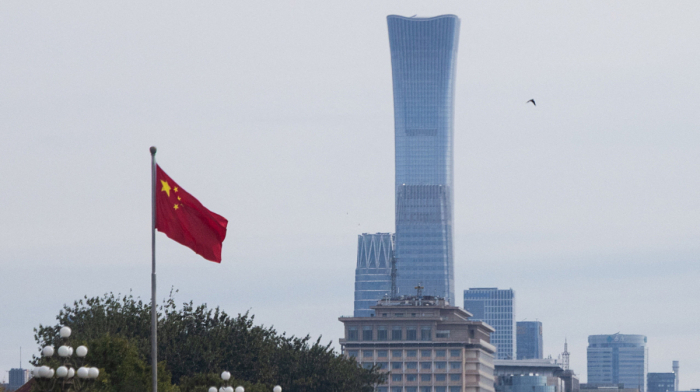
China tightens Communist Party oversight of tech firms and digital finance
China’s ruling Communist Party is stepping up oversight of technology firms, internet platforms and digital finance in a sweeping drive to ta...
The World Health Organization (WHO) has said it regrets the United States’ decision to withdraw from the UN health agency and hopes Washington will resume active participation in the future.
The U.S. formally left the organisation on Thursday, after a year of warnings from the WHO that such a move would harm public health in the United States and globally.
President Donald Trump’s administration has long criticised the organisation, particularly over its handling of the COVID-19 pandemic.
Trump accused the WHO of failing to act independently, alleging it had been influenced by the political interests of some member states.
He also argued that the United States was subject to unfairly heavy financial obligations, saying American contributions were disproportionate compared with those of other, more populous countries, including China.
The WHO has rejected the criticism, defending its actions during what it described as an unprecedented global health crisis.
The organisation said monitoring systems, emergency response frameworks and international coordination mechanisms developed before, during and after the acute phase of the pandemic continue to operate around the clock.
It said these efforts have played a crucial role in protecting all countries, including the United States, and remain essential to global health security.
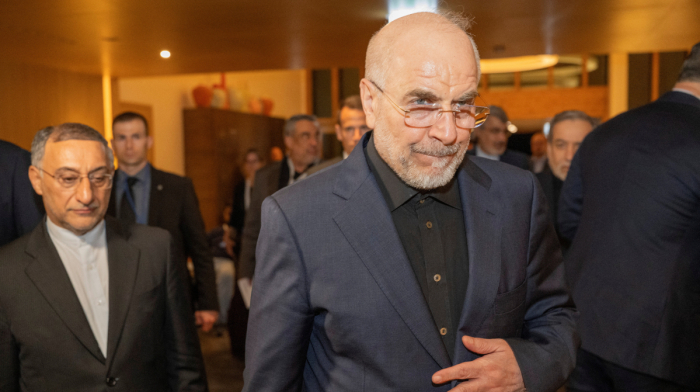
Iranian parliament speaker Mohammad Bagher Ghalibaf says the U.S. must act to prevent war after Tehran sent a “strong and rational response” to Washington. Meanwhile, U.S. forces have reportedly carried out limited strikes against Iranian targets, including Qeshm Island,
Hundreds of millions of U.S. citizens head to the polls on 3 November to elect the House of Representatives and Senate. How they vote could influence the direction of Donald Trump’s remaining 26 months in office and the outcomes of the Ukraine and Iran conflicts.
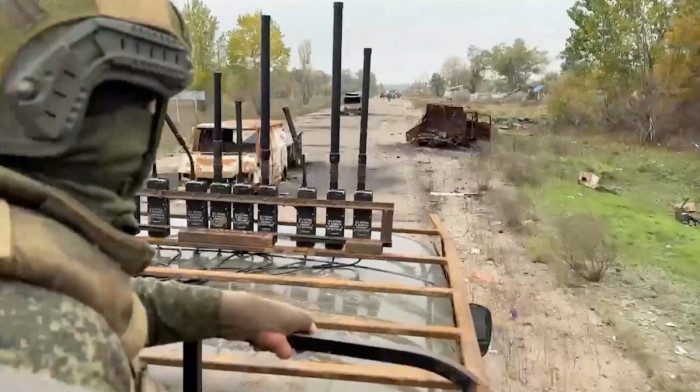
A six-day humanitarian ceasefire in the Russian-held Ukrainian town of Oleshky ended on Sunday, 1 November, after facilitating aid deliveries and civilian evacuations.
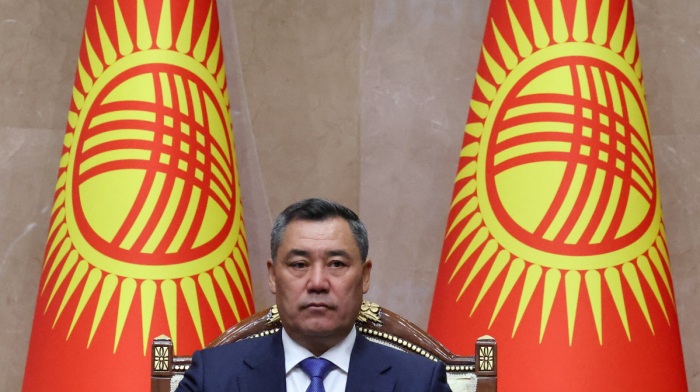
Kyrgyzstan has emerged as Central Asia’s fastest-growing economy, fuelled by a construction boom, public investment and trade linked to Russia. But with Western sanctions tightening, can the country sustain its rapid growth?
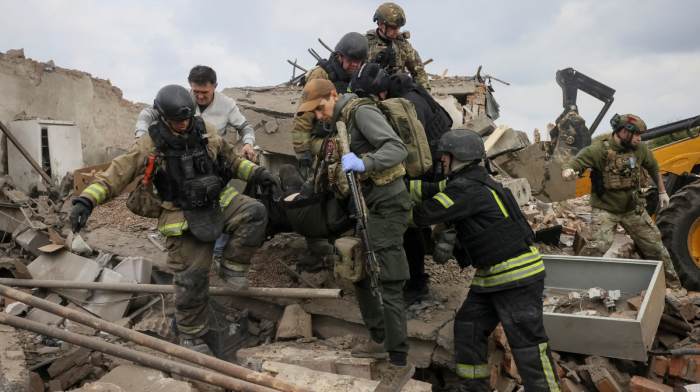
Russia airstrikes on a school used as a humanitarian aid distribution point in southeastern Ukraine's Zaporizhzhia region killed at least 26 people, including rescue workers and police officers, Ukrainian officials said. Another 27 people were reported missing.
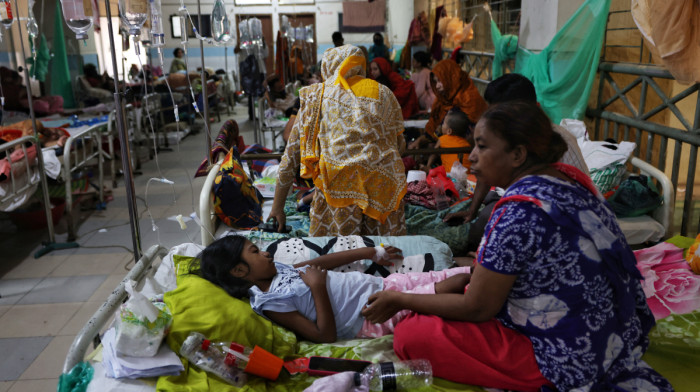
Dengue fever has killed more people in Bangladesh this year than in the whole of 2025, with October the deadliest month so far, data from Bangladesh's Health Ministry shows.
Visitors to Armenia could face temperature screening after a lab worker died from suspected Pneumonic plague in Russia, Yerevan’s Health Minister Anahit Avanesyan told lawmakers on Wednesday, Armenian state news agency Armenpress reported.
Health advice now reaches people through social media, fitness apps, wearable technology and AI. From detoxes and protein-focused diets to skincare and fitness trends, online wellness content is shaping everyday health choices while raising concerns about misinformation and potential risks.
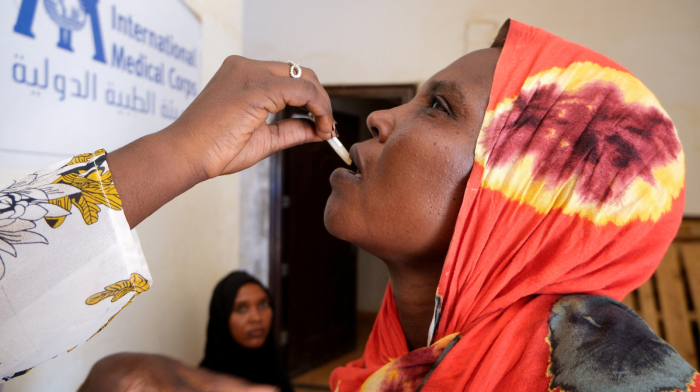
Global cholera deaths reached their highest annual level in more than 20 years in 2025, despite a decline in reported cases, according to the World Health Organization (WHO).
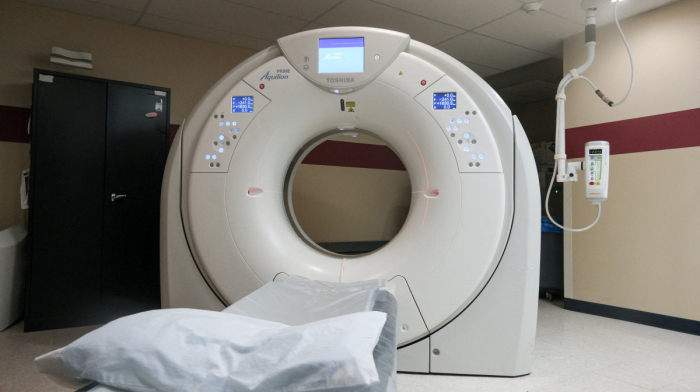
Chinese researchers have developed the world’s smallest CT scanner, a portable device designed to produce images of tiny fossils and archaeological relics.
You can download the AnewZ application from Play Store and the App Store.
What is your opinion on this topic?
Leave the first comment