Cancer patients in Sudan are struggling to access life-saving treatment as soaring medication costs, power shortages and damaged hospital infrastructure deepen the country's healthcare crisis after more than three years of war.
Doctors at Khartoum Oncology Hospital say many patients are delaying chemotherapy because they can no longer afford supportive medicines that were once provided free of charge, while electricity shortages continue to disrupt treatment.
Nayla Hamad, who is receiving chemotherapy for cervical cancer, said her family can no longer afford the medication she needs every 21 days.
"My mother has cervical cancer and she receives chemotherapy. We found the medication outside the hospital for 180,000 Sudanese pounds," her daughter, Ethar al-Ser, said.
"I rent the hospital bed for 40,000 Sudanese pounds (around $66) so she can receive her chemotherapy dose. How can I afford all of this? Where is the work and where is the income?"
Hamad said the financial burden has worsened alongside the country's humanitarian crisis.
"Living conditions are difficult and prices have skyrocketed," she said. "Before, we struggled with food prices. Now we struggle with the prices of food and medicine. Our home is demolished and we are staying at our neighbours' house."
Delayed treatment raises health risks
Hospital staff warn that medication shortages are forcing patients to postpone chemotherapy, reducing the effectiveness of treatment.
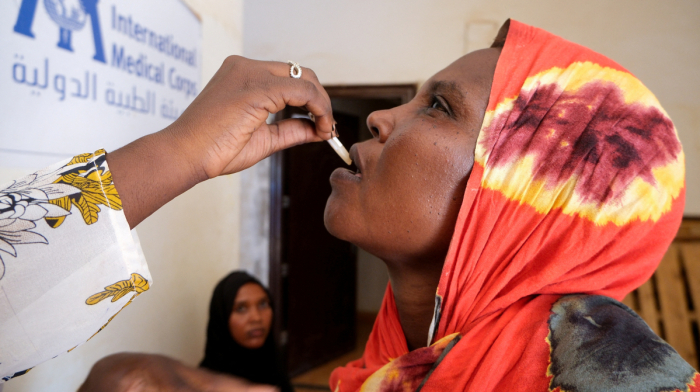
"I have a number of patients who stopped treatment after the medications we used to provide for free were cut," said Mona Abdelrahman, chief pharmacist at Khartoum Oncology Hospital.
"Those who can't buy the medication have their doses delayed by two weeks or more. If they do not take their doses on time, it will definitely impact their health."
She added that shortages extend beyond chemotherapy drugs to intravenous fluids and other essential medical supplies, with demand outstripping what Sudan's free medicine programme can provide.
Power cuts hamper cancer care
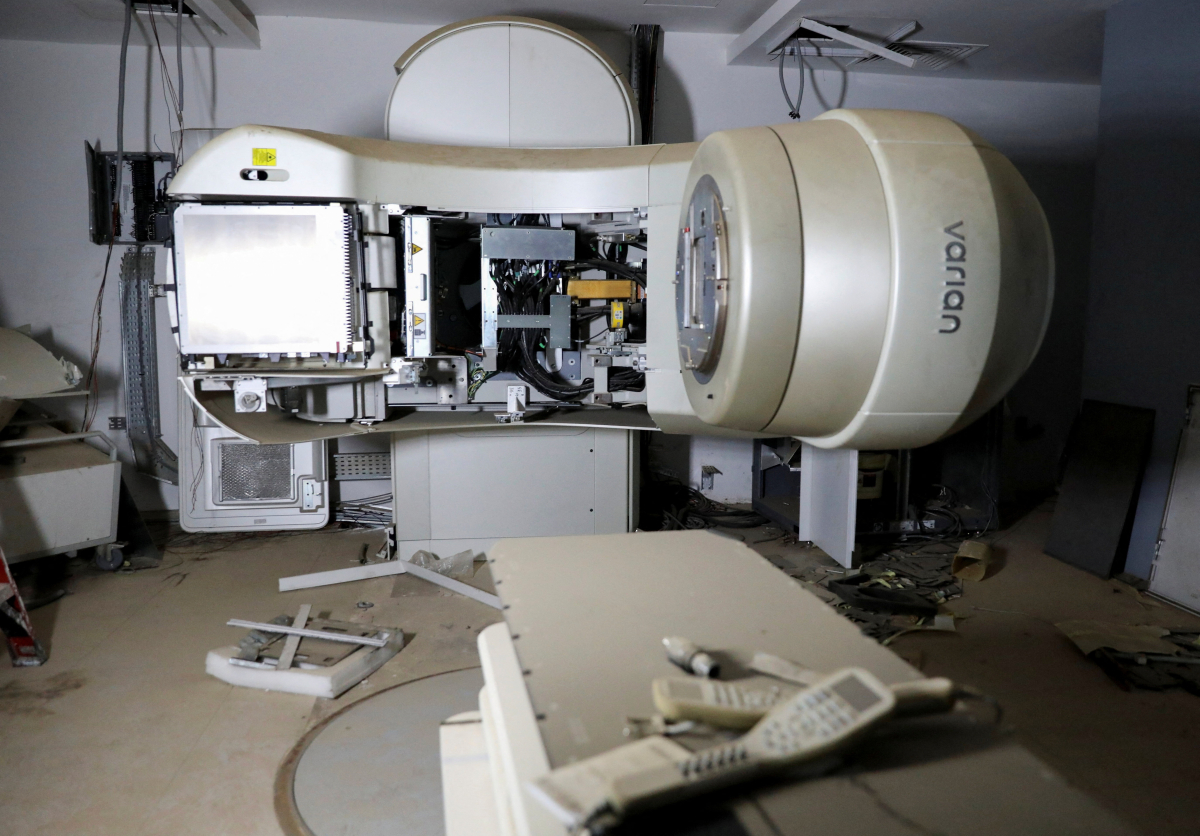
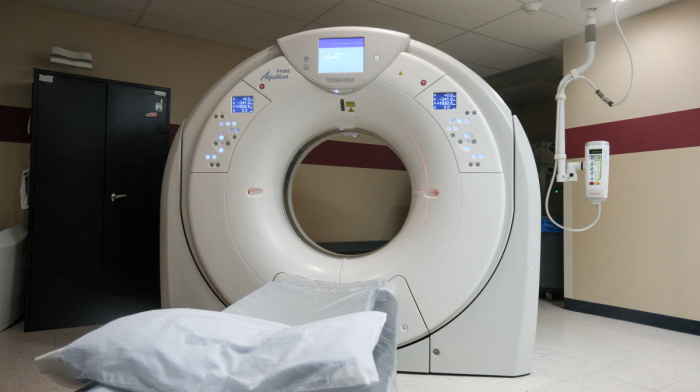
The hospital is also struggling to operate after fighting damaged one of Sudan's most advanced radiotherapy machines.
Director General Ahmed Omar Abdullah said restoring the equipment has been complicated by persistent electricity shortages.
"We are about to carry out full maintenance on this device so it can return to service," he said. "One of the challenges we are facing is the unavailability of electricity."
The machine previously offered advanced 3D radiotherapy that many Sudanese patients had travelled abroad to receive.
"Now, as we can see, the destruction and damage are extensive," Abdullah said. "Parts of this device are scattered on the floor."
Health authorities seek solutions
Ahmed al-Sheikh, head of the Curative Medicine Directorate at Khartoum State's Ministry of Health, said the hospital is relying on solar power while repairs continue.
"Alternative energy covers part of the need, but not all of it," he said. "At least people can continue working until the other power system is repaired."
He added that while chemotherapy itself remains free, many supportive medicines prescribed alongside treatment are not subsidised, leaving patients to buy costly drugs from private pharmacies.
Healthcare system under strain
The war in Sudan began in April 2023 after fighting erupted between the Sudanese army and the paramilitary Rapid Support Forces (RSF). The conflict has killed hundreds of thousands of people, displaced millions and devastated the country's healthcare system.
According to the World Health Organization's Global Cancer Observatory, Sudan recorded more than 41,000 new cancer cases and more than 73,000 people living with cancer in 2024.
Read more:










What is your opinion on this topic?
Leave the first comment