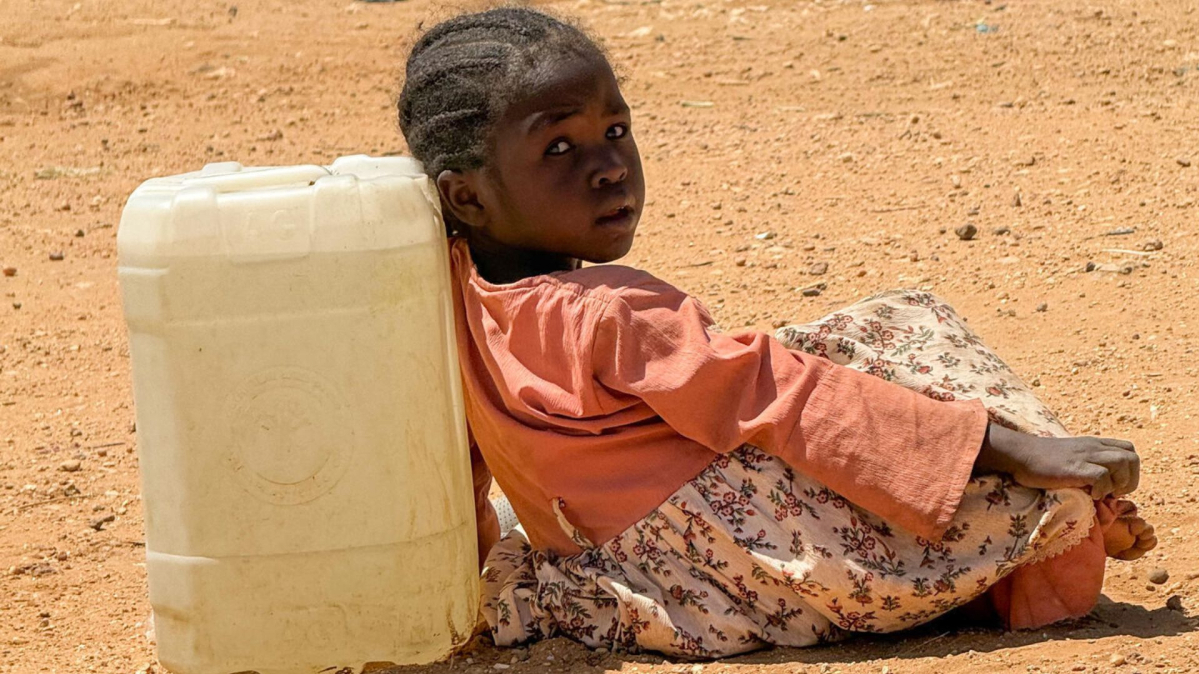
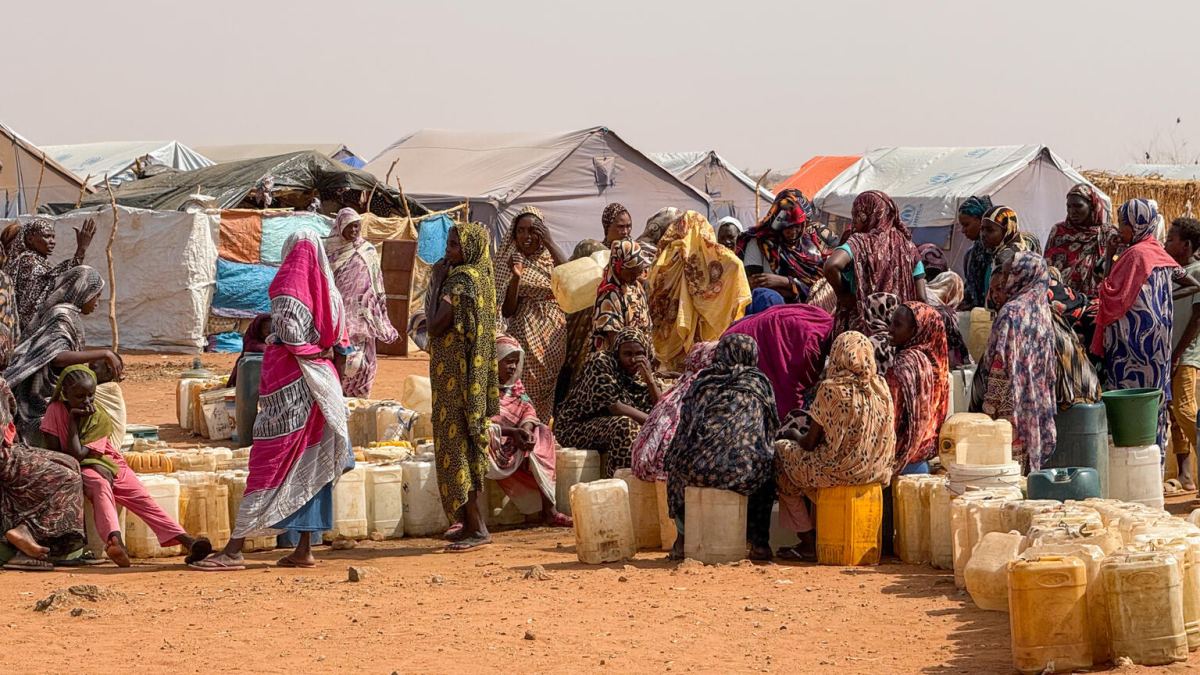
Women and girls in Sudan's Al-Obeid face a dire choice between the threat of drone attacks during the day and sexual violence when they go out to fetch water in the besieged city, UN Women reports.
UN Women Regional Director for East and Southern Africa, Anna Mutavati, said women and girls have been harassed, raped and subjected to other forms of sexual violence while trying to access water; one of life's most basic necessities.
Siege deepens humanitarian crisis
Access to food and healthcare is severely limited in Al-Obeid, the capital of North Kordofan.
UN's human rights chief warned this month that a human rights catastrophe is unfolding in the area amid intensifying fighting between Sudan's army and the paramilitary Rapid Support Forces (RSF).
U.N. High Commissioner for Human Rights Volker Türk said civilians in Al-Obeid had endured siege-like conditions for 18 months, facing critical shortages of clean water and relentless drone strikes.
He warned of the risk of atrocities similar to those seen in Al-Fashir in North Darfur last year.
The conflict, now in its fourth year, has triggered one of the world's worst humanitarian crises, marked by widespread reports of sexual violence and other abuses.
Sexual violence and support services
UN Women said there is no safe time for women and girls to collect water in Al-Obeid. Drone strikes on water sources during the day have forced many to venture out after dark, when they face harassment, rape and other forms of sexual violence.
Across Sudan, an estimated 12.7 million women and girls are expected to need gender-based violence support services this year; four times more than at the start of the war.
While the agency does not have city-specific figures for Al-Obeid, it noted that around 70% of the city's estimated 500,000 residents are women and children.
Funding cuts have also forced many women-led organisations to scale back or shut down safe spaces and support services for survivors.
Children caught in escalating attacks
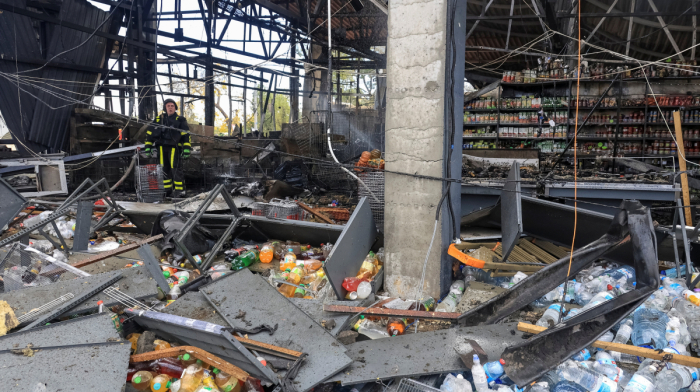
UNICEF also warned that children continue to bear the brunt of the conflict. A drone strike on a market in Ar Rahad, North Kordofan, on Thursday reportedly killed at least two children and injured six others aged 6-14.
Four adults were also killed and more than 20 people were injured.
The agency said markets should never become places of death and devastation, adding that the violence in North Kordofan reflects a broader crisis affecting children across Sudan.
Communities in Dilling and Kadugli in South Kordofan, parts of North Darfur and areas affected by the expanding conflict in Blue Nile continue to face severe insecurity, displacement and growing humanitarian needs.
Humanitarian access under threat
UNICEF said repeated attacks are destroying homes, schools, health facilities, water systems and markets, depriving children of healthcare, education, nutrition, clean water and sanitation while forcing more families to flee.
The agency also warned that insecurity along key supply routes is disrupting humanitarian operations and limiting access to some of the communities most in need.
UNICEF called on all parties to protect civilians and civilian infrastructure, comply with international humanitarian law, and ensure safe, rapid and unimpeded humanitarian access to children and vulnerable communities.
Read more:
















What is your opinion on this topic?
Leave the first comment