




11:16 CET
Nuclear security
Georgia arrests man over attempted $700,000 uranium sale
Georgia has detained a man ...
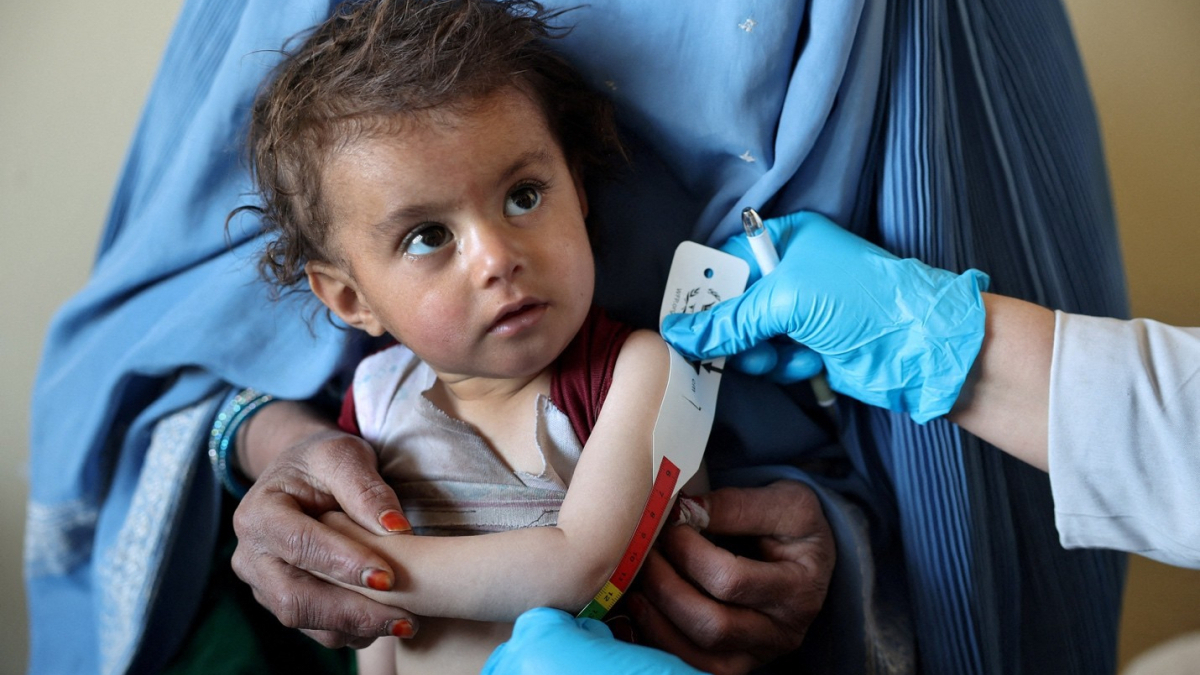


The United Nations Children's Fund (UNICEF) warned on Sunday that 3.7 million children under five in Afghanistan face an increased risk of malnutrition as the peak wasting season from July to September approaches.
UNICEF's report, Too Little, Too Late: The Diet Crisis Facing Young Children in Afghanistan, said reduced dietary diversity, skipped meals and children going hungry are early warning signs of undernutrition.
The organisation said wasting had worsened in 26 of Afghanistan's 34 provinces compared with 2025. Children under two account for 83% of severe acute malnutrition cases and 77% of moderate cases.
UNICEF Representative in Afghanistan Dr Tajudeen Oyewale said children were already being pushed towards malnutrition.
"Youth children in Afghanistan are being pushed closer to malnutrition before the peak season has even begun."
Oyewale said treatment must be supported by earlier prevention.
"Treatment saves lives, but we must also invest in prevention, starting with the diets of the youngest children and pregnant women."
Wasting means a child is too thin for their height, often because of food deprivation, illness or both. UNICEF said children living in severely food-insecure households are up to six times more likely to suffer wasting during peak periods.
The agency called for increased funding to protect children's diets and strengthen nutrition, healthcare, water, sanitation, education and social protection services.
The World Food Programme says 17.4 million Afghans are projected to be severely food insecure, while 4.9 million mothers and children are expected to be malnourished in 2026.
AnewZ contacted an Afghan government spokesperson for comment but had not received a response at the time of publication.

Georgia has detained a man ...
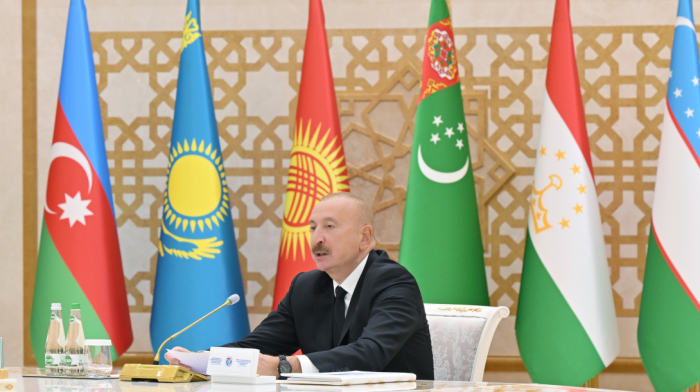
Azerbaijan and the five Central Asian states have signed two key documents at the 8th Consultative Meeting of Heads of State in Turkmenbashi, forma...
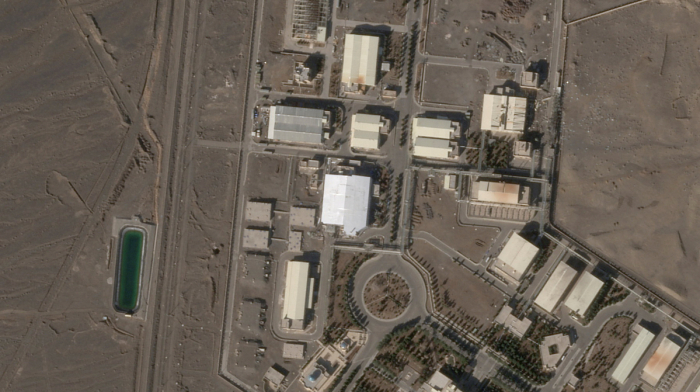
U.S. Vice President JD Vance told Reuters on Monday (5 October) that ...


Russia's health watchdog said on Tuesday that no cases of plague had been detected among anyone who had come into contact with a Siberian plague institute laboratory worker who died last week, and locals said their lives had barely been disrupted.

Russia struck Ukraine overnight in one of the biggest attacks of the conflict, killing at least 19 people, Kyiv's Foreign Ministry said on Wednesday. Around 70 missiles were fired at Ukraine during the attack, as well as drones, the Ministry said.

A large Ukrainian drone attack on Moscow and the surrounding region has killed two people, damaged homes and sparked a major fire at a key fuel facility, according to Russian officials and military bloggers.
Azerbaijan and the five Central Asian states have signed two key documents at the 8th Consultative Meeting of Heads of State in Turkmenbashi, formalising a broader framework for regional cooperation in transport, trade, energy, digitalisation and security.
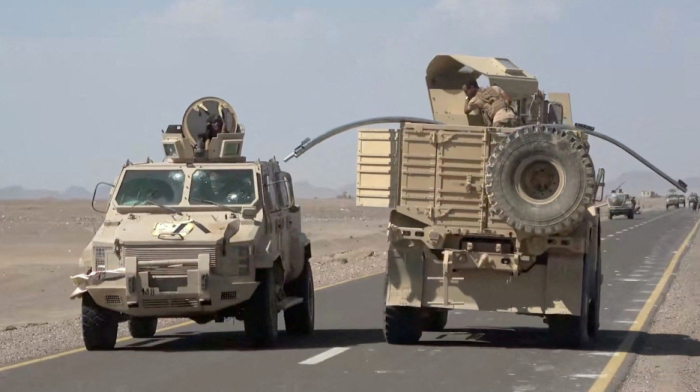
The Saudi-led coalition says it has carried out a series of military operations against Houthi targets in Yemen after attacks on two Saudi airports left three people dead and dozens injured.
Georgia has detained a man who planned to sell uranium-238 to a foreign national for $700,000, the national security service said on Wednesday.
Azerbaijan and the five Central Asian states have signed two key documents at the 8th Consultative Meeting of Heads of State in Turkmenbashi, formalising a broader framework for regional cooperation in transport, trade, energy, digitalisation and security.
U.S. Vice President JD Vance told Reuters on Monday (5 October) that Iran must make a “meaningful” reduction in its uranium enrichment capacity to satisfy U.S. demands and end the countries' seven-month war.
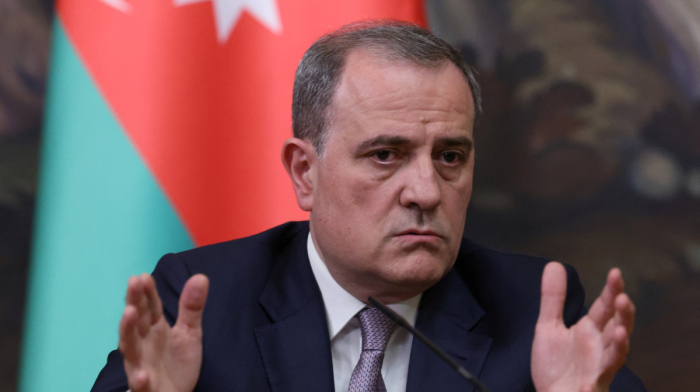
Azerbaijan’s Foreign Minister Jeyhun Bayramov has called for further integration of infrastructure between regional countries to bolster the Middle Corridor trade and logistics network.
The Saudi-led coalition says it has carried out a series of military operations against Houthi targets in Yemen after attacks on two Saudi airports left three people dead and dozens injured.
You can download the AnewZ application from Play Store and the App Store.




What is your opinion on this topic?
Leave the first comment