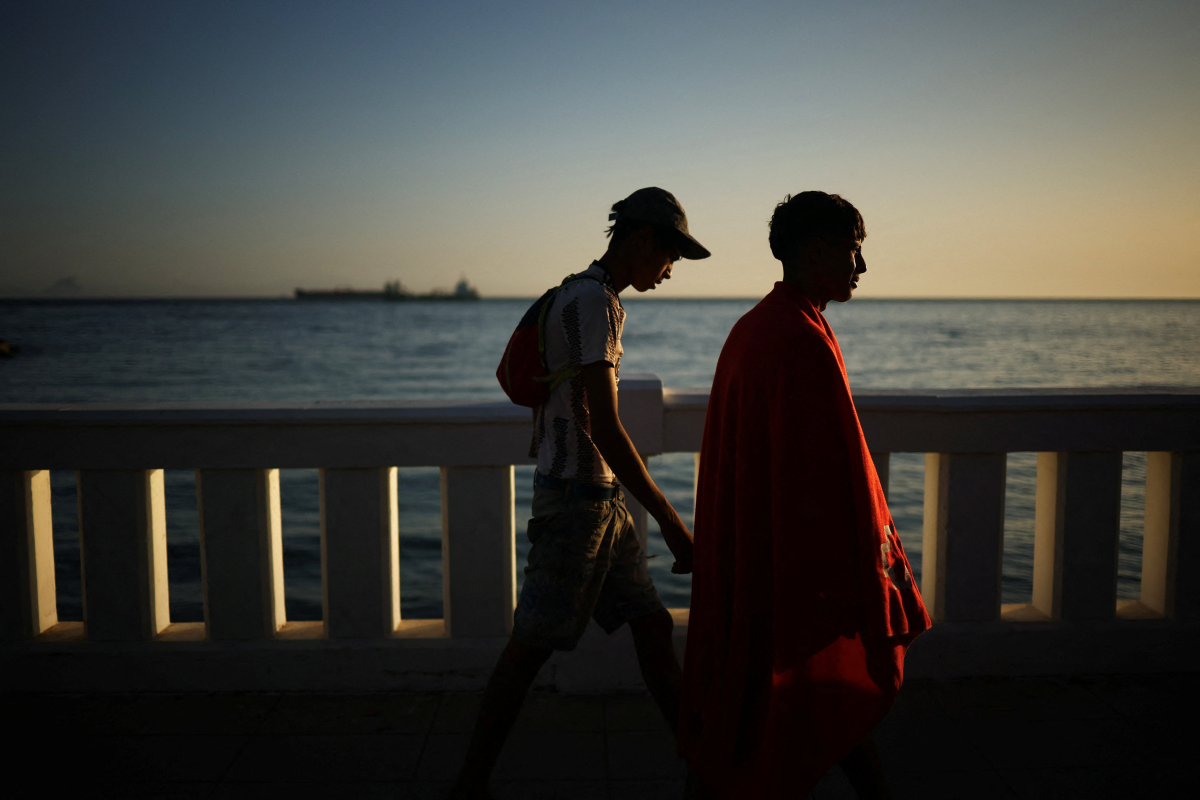
A deadly mass crossing from Morocco has placed renewed attention on Ceuta, a small Spanish territory on the North African coast that serves as one of the European Union’s most politically sensitive external borders.
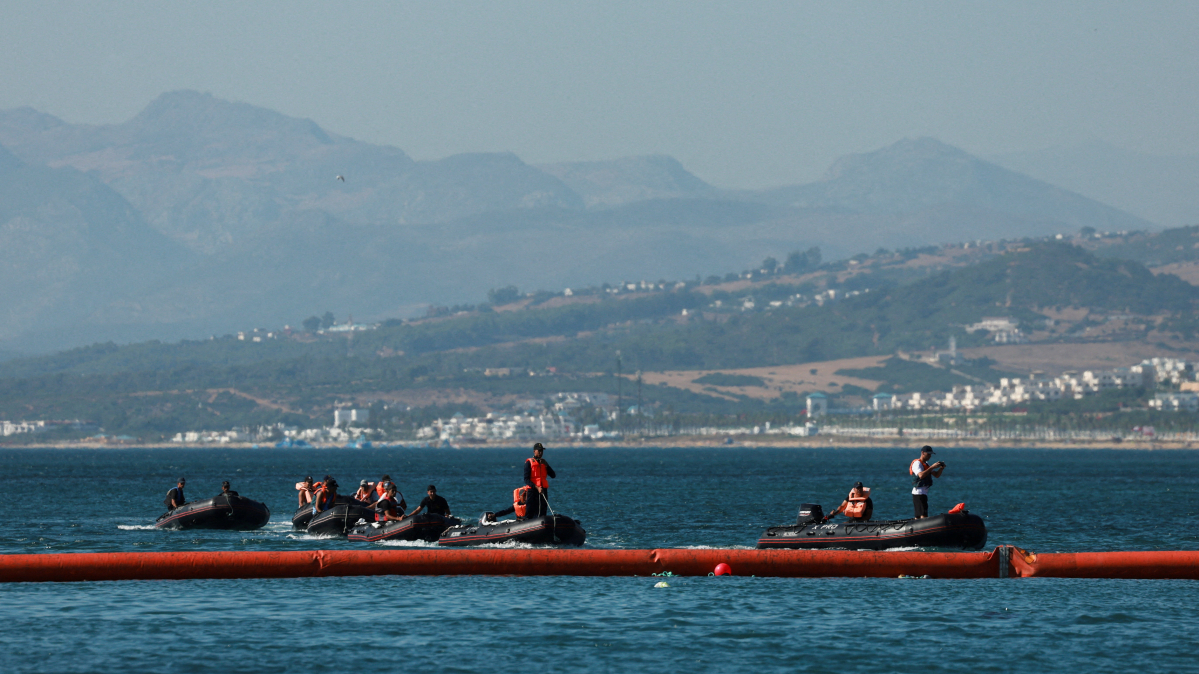
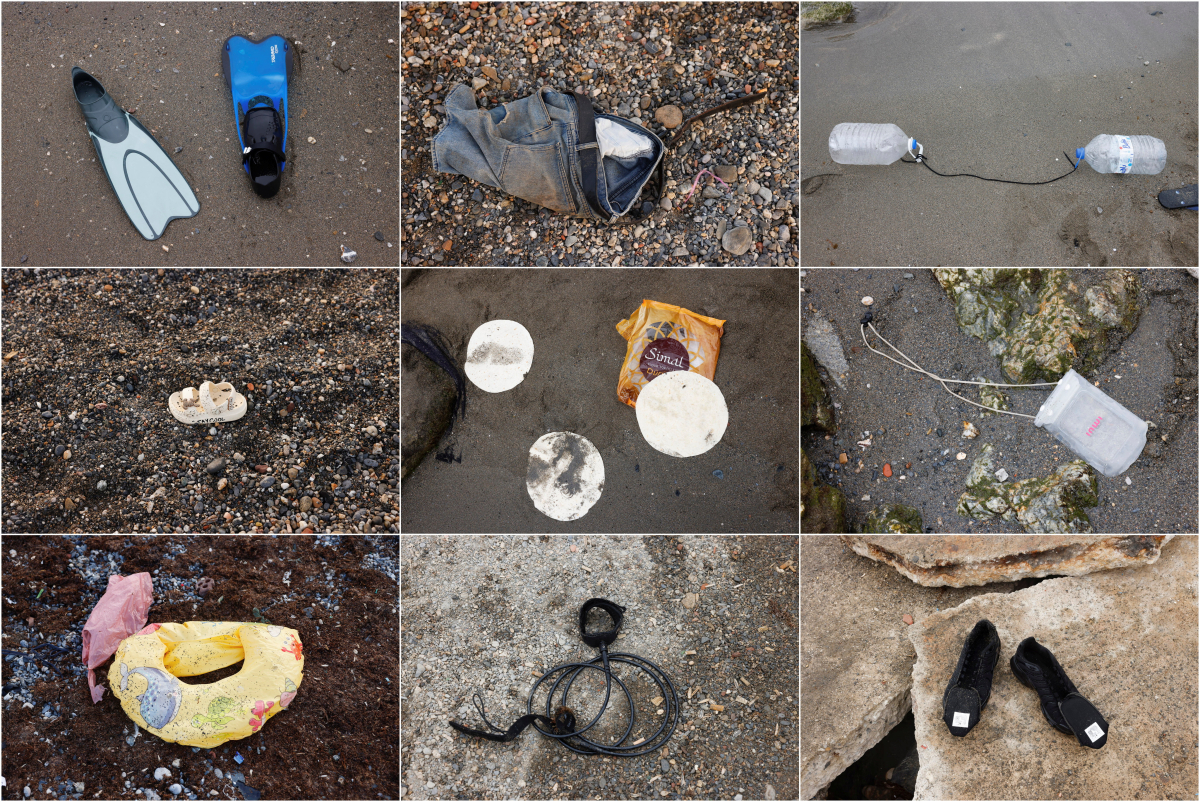
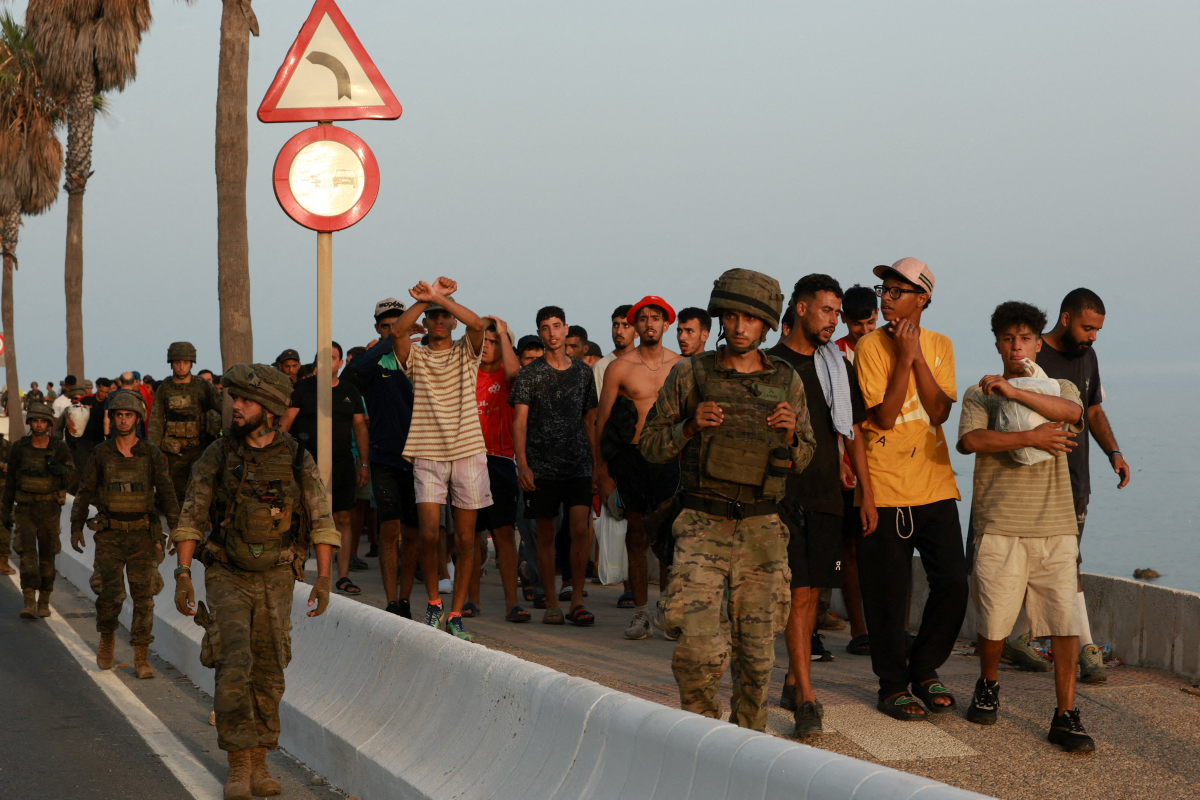
Spain began installing a 500-metre floating barrier near Ceuta’s Tarajal breakwater on Saturday after about 50,000 people entered the territory by land and sea from Thursday. Spanish authorities said at least 67 people died, including migrants who drowned and others who were crushed near the border fence and breakwater.
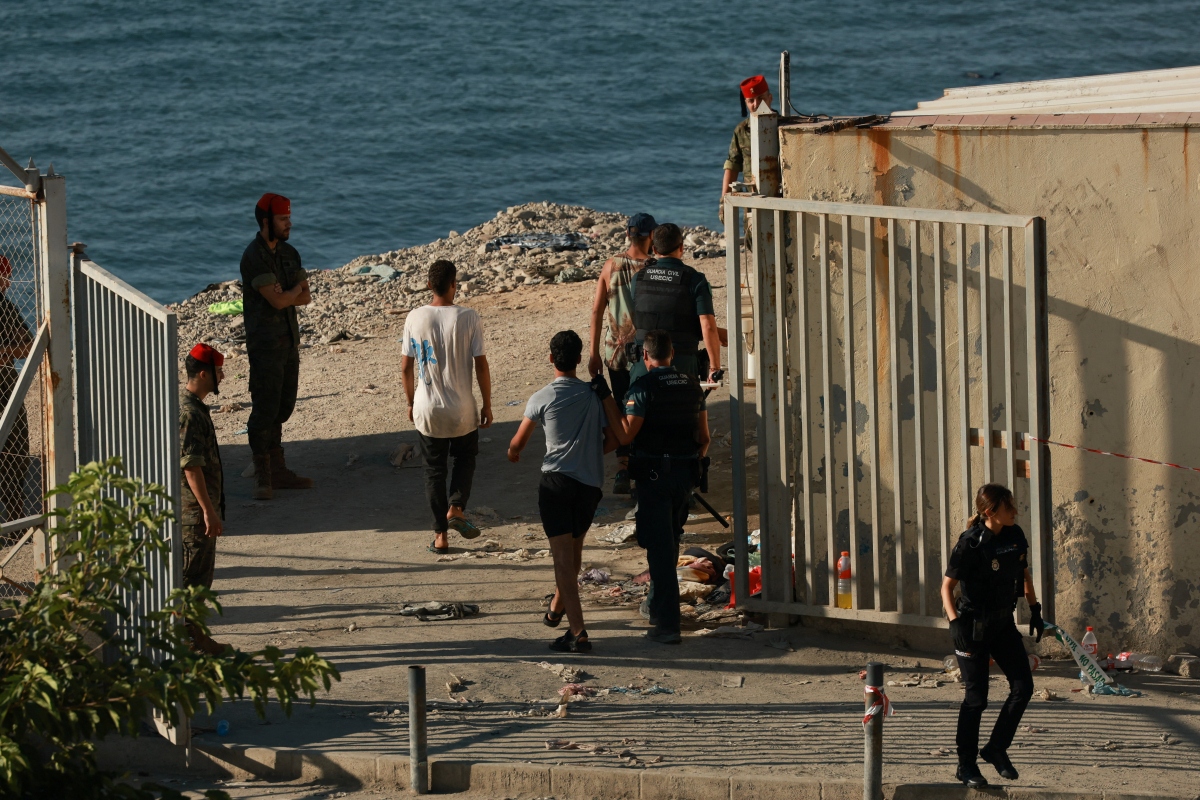
More than 48,000 of those who entered subsequently returned to Morocco within 48 hours, while crossings had fallen to almost zero by Saturday morning. However, reinforced police and military deployments were expected to remain in place.
Where is Ceuta?
Ceuta is an autonomous Spanish city situated on the northern coast of Africa, where the Mediterranean meets the Strait of Gibraltar. It shares a land border with Morocco but is separated from mainland Spain by the sea.
Together with Melilla, another Spanish territory farther east, Ceuta forms one of the EU’s two land frontiers with Africa. Its position places it directly between European territory and communities in northern Morocco.
Ceuta has a population of about 84,000. Spain’s National Statistics Institute recorded 83,595 residents at the beginning of 2025.
Although it is geographically part of North Africa, Ceuta is politically and administratively part of Spain and, therefore, the European Union.
How did Ceuta become Spanish?
Ceuta’s strategic location has made it an important port and military position for centuries. Different Mediterranean and North African powers controlled the settlement before Portuguese forces captured it in 1415.
Ceuta later became part of the Iberian monarchy when the Spanish and Portuguese crowns were united in 1580. When Portugal restored its independence in 1640, Ceuta remained under the Spanish Crown. Portuguese recognition of Spanish sovereignty over the city was formalised under the Treaty of Lisbon in 1668.
Spain granted Ceuta autonomous status in 1995. Its statute describes the city as an integral part of Spain while giving it powers to manage local affairs through its own assembly and government.
Morocco has long disputed Spanish sovereignty over Ceuta and Melilla, regarding them as remnants of European colonial control. Spain rejects that position and considers both cities permanent parts of its national territory.
The disagreement remains an underlying issue in relations between Madrid and Rabat, even though both governments cooperate closely on trade, security, border management and migration.
Why is Ceuta a major migration route?
Ceuta offers one of the few places where people can attempt to reach EU territory directly from Africa without making a long journey across the Mediterranean.
Most attempts take place around the fortified land border or along the coastline near Tarajal. Some people try to climb or cut through border fences, while others swim around breakwaters separating Moroccan and Spanish waters.
Reaching Ceuta, however, does not provide automatic access to mainland Spain or the rest of Europe.
The Schengen rules apply to Spanish territory, including Ceuta and Melilla, but special arrangements require identity and document checks for people travelling from the two cities to mainland Spain or another Schengen country. These controls create a second border after the frontier with Morocco.
Spanish authorities said those who entered during the latest mass crossing would not be permitted to continue to mainland Spain or elsewhere in the Schengen zone.
What caused the latest rush?
The full circumstances behind the unprecedented number of crossings have not been independently established.
Spanish officials said many participants were facing economic hardship and had been encouraged by rumours circulated on social media. Interior Minister Fernando Grande-Marlaska accused people-smuggling networks of exploiting vulnerable people and spreading misleading claims about a recent Spanish Supreme Court ruling.
The ruling concerned the circumstances in which migrants intercepted at sea could be returned immediately when there was no physical border structure in place.
Spanish authorities said they had received no intelligence warning that such a large movement was imminent. Madrid has also defended Morocco as a reliable security partner and has not publicly accused Rabat of deliberately allowing the crossings.
How will the floating barrier work?
The new pneumatic barrier extends approximately 500 metres from the Tarajal breakwater.
According to the Spanish government, it will rise between 30 and 70 centimetres above the water and reach as much as one metre below the surface. A line of anchored naval buoys will provide an additional barrier.
A channel between the structures will remain open so Civil Guard patrol vessels can operate along the maritime frontier.
The measure is intended to make it more difficult for people to swim around the existing breakwater. However, Spain’s Civil Guard union has warned that additional officers and surveillance will still be required because swimmers may attempt to go around the new installation.
Has Ceuta faced similar crises before?
Ceuta has experienced repeated periods of intense migration pressure.
In May 2021, more than 8,000 people crossed into the city after Moroccan border controls were temporarily relaxed during a diplomatic dispute between Madrid and Rabat. The arrivals included large numbers of children, many of them unaccompanied.
Reception facilities were overwhelmed, and thousands of people were returned to Morocco. The European Parliament later criticised the use of migration and minors as instruments of political pressure and called for greater cooperation and stronger protection for children.
The 2021 incident demonstrated how quickly Ceuta’s limited territory and public services could be placed under strain. The latest crossing was significantly larger and produced a much higher reported death toll.
Why relations with Morocco matter
Morocco is simultaneously a country of origin, transit and destination for migrants. Its cooperation is central to Spain’s ability to manage the Ceuta and Melilla borders, as well as maritime routes towards mainland Spain and the Canary Islands.
The EU has consequently invested heavily in border management and migration cooperation with Rabat. Spain and Morocco also regularly coordinate policing, transport and seasonal travel across the Strait of Gibraltar.
This dependence means that changes in Spanish-Moroccan relations can have immediate consequences at the border. At the same time, Madrid must balance border enforcement with asylum law, humanitarian responsibilities and protections for unaccompanied children.
Why the crisis matters to the European Union
Ceuta may be small, but its border is an external frontier of the EU. A large-scale crossing therefore becomes a European issue rather than a purely Spanish one.
Following the latest incident, 22 EU member states called for coordinated measures to protect the bloc’s external borders. Ireland, which holds the rotating EU presidency, scheduled an emergency video conference of interior ministers for Tuesday.
The crisis has also revived disagreements over responsibility for irregular migration, internal Schengen controls and whether front-line countries should receive greater operational and financial support.
For Ceuta, the installation of a floating barrier may reduce immediate crossing attempts. But the territory’s geography, its disputed political status and the economic differences between Europe and North Africa mean that it is likely to remain one of the most sensitive points on the EU’s southern border.















What is your opinion on this topic?
Leave the first comment