Spain said it had reversed an unprecedented surge of migrants into its North African enclave of Ceuta, with most of the approximately 50,000 people who crossed the border by land and sea already having returned voluntarily.
Authorities said at least 57 bodies had been recovered on the Spanish side of the border, while additional casualties were feared on the Moroccan side.
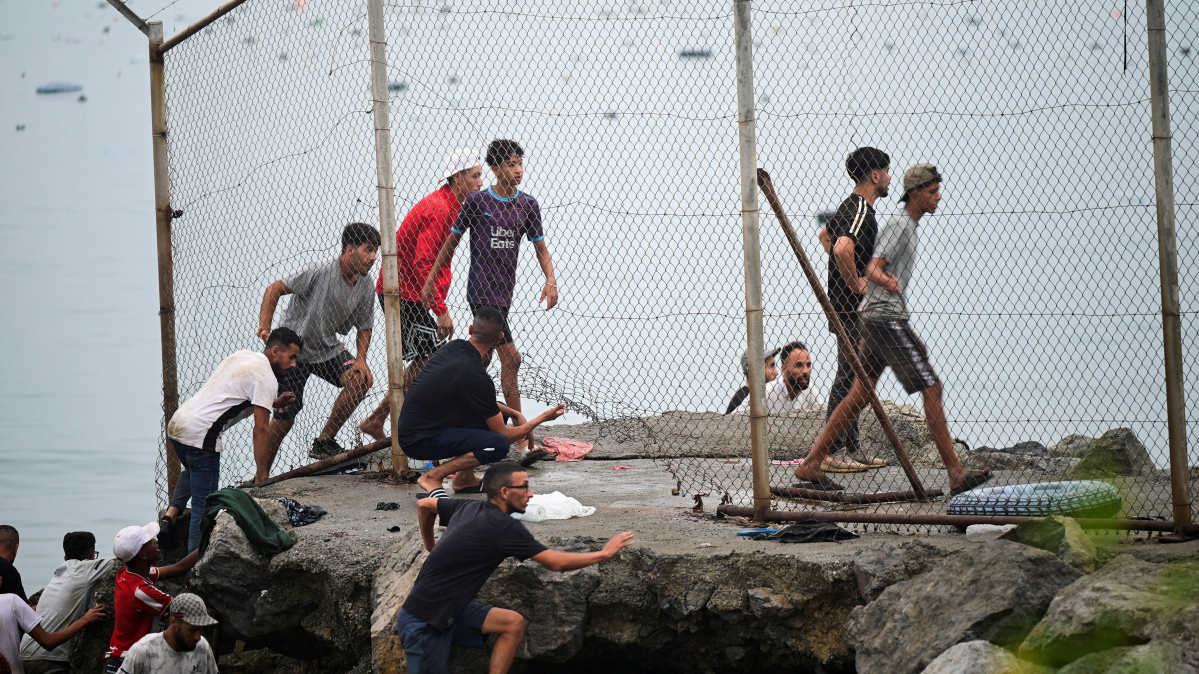
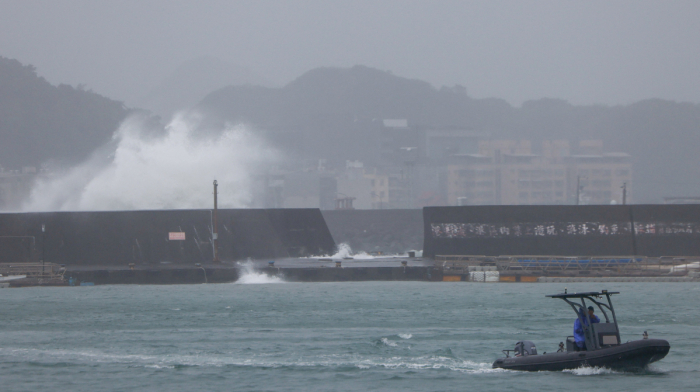
Officials said some migrants drowned while others were crushed trying to climb the breakwater supporting the border fence.
Spain's Interior Ministry said around 50,000 people had entered Ceuta since Thursday morning and estimated that about 48,300 had returned to Morocco by Friday evening.
Local officials said the total number of crossings may have reached 60,000.
Border crackdown
Moroccan security forces used batons and tear gas to prevent more migrants from entering the Spanish enclave, while Spanish military vehicles were deployed along sections of the border.
Reuters witnesses saw riot police dispersing crowds with tear gas as water cannon trucks stood by. Burnt-out vehicles and damaged infrastructure remained after clashes near the crossing.
Many migrants who had reached Ceuta began returning voluntarily, saying they had been unable to find food or shelter.
"Honestly, I don't even know why I came, and now I'm going back," one young Moroccan man from Tangier told Reuters.
Another migrant, Ayman, a 20-year-old hairdresser from Larache, said he had swum for five hours to reach Ceuta but was later forced to leave after finding little assistance inside the enclave.
Political tensions
Spanish Prime Minister Pedro Sánchez visited Ceuta on Friday, describing the mass crossing as "a violation of Spain's territorial sovereignty" and pledging to accelerate the repatriation of those who had entered illegally in cooperation with Morocco.
The incident sparked political divisions across Europe.
Italy announced it would temporarily suspend Schengen border-free travel arrangements with Spain, a move Madrid said violated European Union treaties.
France said it would significantly reinforce police deployments along its border with Spain, while increasing aerial surveillance and railway patrols.
The surge also drew criticism from U.S. President Donald Trump, who described the crossings as "an invasion" and blamed Spain's migration policies. The U.S. State Department similarly criticised Madrid, saying it was considering measures to support European allies responding to illegal migration.
Spain responds
Spain rejected criticism that its migration policies had encouraged the crossings.
Officials said several factors may have contributed to the surge, including a recent Spanish Supreme Court ruling on the treatment of migrants intercepted at sea near Ceuta and Melilla.
Ceuta and Melilla, Spain's two autonomous enclaves on Morocco's Mediterranean coast, form the European Union's only land borders with Africa and have long been flashpoints for irregular migration.
Officials described the scale of this week's crossings as unprecedented.
Read more:

















What is your opinion on this topic?
Leave the first comment