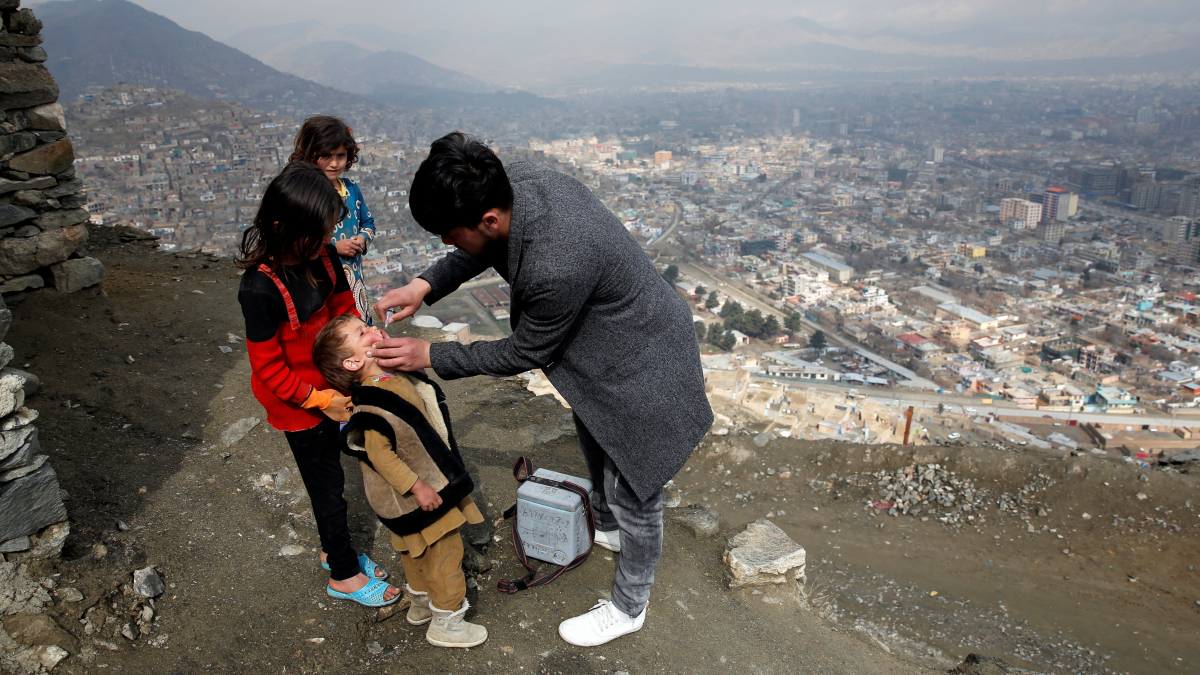
Afghanistan’s Health Minister has urged urgent action to strengthen domestic polio diagnostics and expand healthcare for returnees and vulnerable communities, pressing international partners in Kabul for faster, fully funded support as the country faces mounting strain on its health system.
Noor Jalal Jalali made the plea during talks with the World Health Organization (WHO) and the International Organization for Migration (IOM) in Kabul this week.
During a meeting with WHO Country Representative for Afghanistan, Dr. Edwin Ceniza Salvador, and the head of the organisation’s polio team, Dr. Mohammad Jamal, Jalali focused on improving laboratory capacity, funding and technical cooperation.
According to an official statement, discussions covered “strengthening the capacity of polio laboratory staff, expanding and funding diagnostic laboratory sections, advancing efforts to combat and eradicate polio, improving health services and setting the agenda for upcoming technical meetings.”
Expansion of migration health programmes
Jalali stressed the need for stronger domestic diagnostic facilities, saying the polio laboratory “must be further strengthened, fully funded and properly equipped”, and urged WHO officials to take “urgent measures” to ensure all required diagnostic facilities are available inside the country and testing is carried out in a timely, standardised manner.
In a separate meeting, Jalali also held talks with IOM Chief of Mission for Afghanistan, Mihyung Park, and her delegation on expanding cooperation in migration health programmes.
The two sides discussed improving healthcare services for returnees, internally displaced people and other vulnerable groups, while also reviewing ongoing joint agreements and support activities.
The ministry said the talks highlighted cooperation on “strengthening health infrastructure, equipping centres, and building staff capacity,” and stressed the importance of coordinated responses to emergencies and joint awareness initiatives.
These developments come as Afghanistan has banned medicine imports from Pakistan starting this week. The ban was imposed following continued border closures by Pakistan, which have disrupted supply routes as tensions between the two countries remain high.
Afghanistan’s health sector continues to rely heavily on international assistance, with United Nations agencies repeatedly warning of funding shortages and strained medical services across the country.












What is your opinion on this topic?
Leave the first comment