




23:25 CET
Nigeria confirms Ebola case in Abuja
Nigerian health authorities have confirmed a case of Ebola disease in the Federal Capital Territory (FCT)...



Iran's intelligence ministry said on Thursday that it had targeted positions belonging to "separatist groups" attempting to enter the country through its western borders, adding that the militants sustained heavy losses during the security operations.
According to the ministry, the operations were carried out in coordination with the Islamic Revolutionary Guard Corps (IRGC).
The targeted groups are believed to include Iranian Kurdish opposition militias such as the Democratic Party of Iranian Kurdistan and the Komala Party. These organisations have operated for decades from bases in the neighbouring Kurdistan Region of Iraq.
In recent months, the groups have reportedly formed a unified coalition aimed at challenging the government in Tehran.
The border clashes come amid reports that Kurdish militias have recently held consultations with the U.S. Sources familiar with the matter said the discussions focused on whether, and how, to organise attacks against Iranian security forces stationed in western provinces.
Military and intelligence analysts say the U.S. and Israel may be exploring options to arm exiled opposition groups as a way to stretch Tehran’s military resources. Such a strategy could open a new ground insurgency while Iran’s armed forces confront an ongoing campaign of aerial bombardment.
In a statement carried by state media, Iran’s intelligence ministry said its forces were cooperating successfully with what it described as “noble Kurds” in the region.
Officials said the border operations were intended to thwart what they described as a coordinated Israeli and U.S. plan to attack Iranian territory and destabilise the country.
Iran’s military has recently intensified operations against Kurdish militant positions in response to the alleged threat. The campaign has included pre-emptive drone and ballistic missile strikes against suspected arms depots and headquarters located just across the border in Iraqi territory.

Nigerian health authorities have confirmed a case of Ebola disease in the Federal Capital Territory (FCT)...
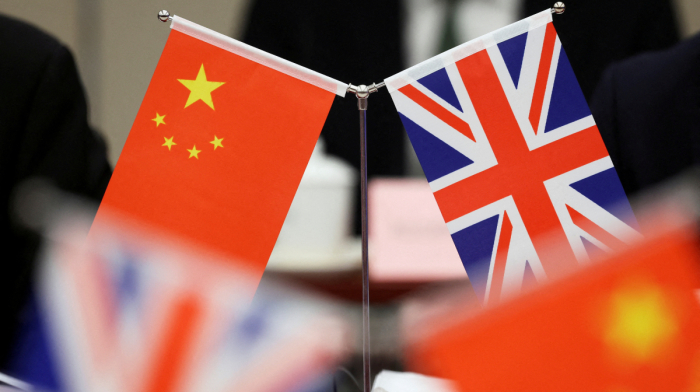
China has lodged a formal diplomatic protest with the UK after British border officials allegedly subjected Chinese travellers to lengthy questioni...
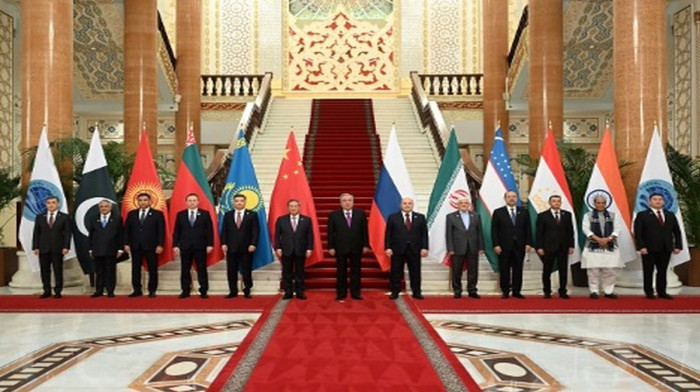
Member states of the Shanghai Cooperation Organisation (SCO) prevented 273 terrorist attacks and more than 3,000 crimes linked to terrorism, separa...
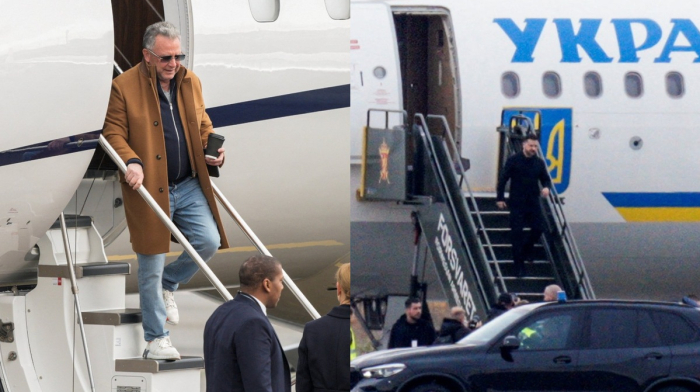
Ukrainian President Volodymyr Zelenskyy has arrived in Norway for talks about the Russia-Ukraine war. He is expected to meet with U.S. President Donald Trump's Special Envoy Steve Witkoff, who arrived in Oslo earlier. Witkoff will also meet European officials.
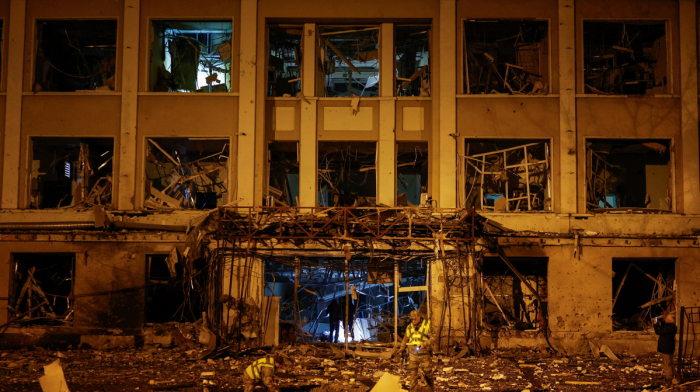
U.S. President Donald Trump has criticised Ukrainian President Volodymyr Zelenskyy for continuing to target Russia's energy infrastructure, while Russian strikes on Kyiv overnight killed at least one person and damaged a metro station.
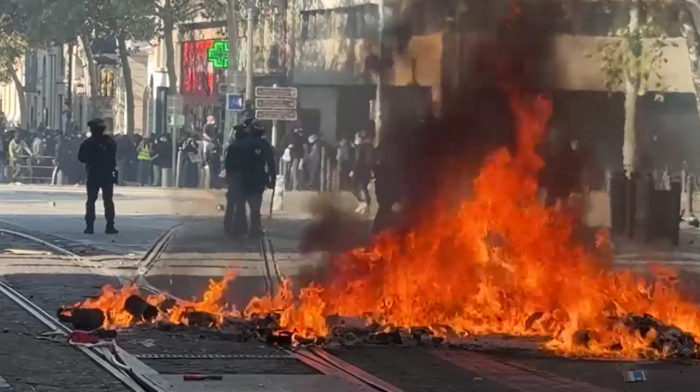
French President Emmanuel Macron has condemned the violence, looting and vandalism that erupted during cost-of-living protests across France. Prime Minister Sébastien Lecornu held crisis talks on Monday, calling for partial curfews and raising the possibility of a state of emergency.
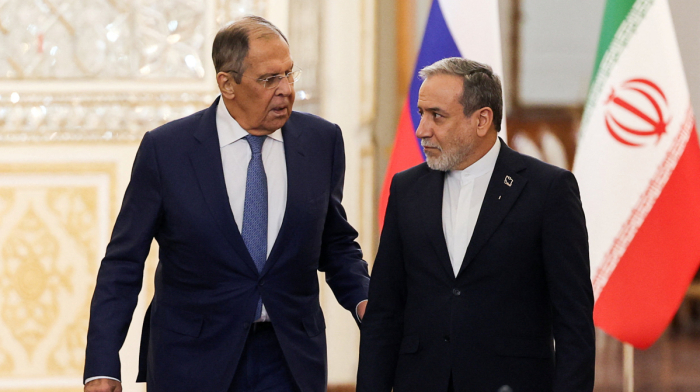
Iranian Foreign Minister Abbas Araghchi said regional issues should be resolved through diplomacy and blamed the United States for insecurity and tensions in the Strait of Hormuz, speaking at a joint news conference with Russian Foreign Minister Sergey Lavrov on Monday.
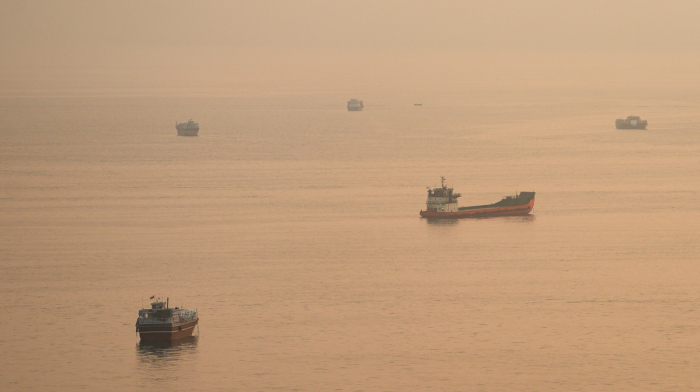
An oil tanker caught fire after striking a naval mine in the southern part of the Strait of Hormuz, Iran’s Islamic Revolutionary Guard Corps (IRGC) Navy said late Sunday.
Member states of the Shanghai Cooperation Organisation (SCO) prevented 273 terrorist attacks and more than 3,000 crimes linked to terrorism, separatism and extremism in 2025, according to the bloc's regional counter-terrorism body.
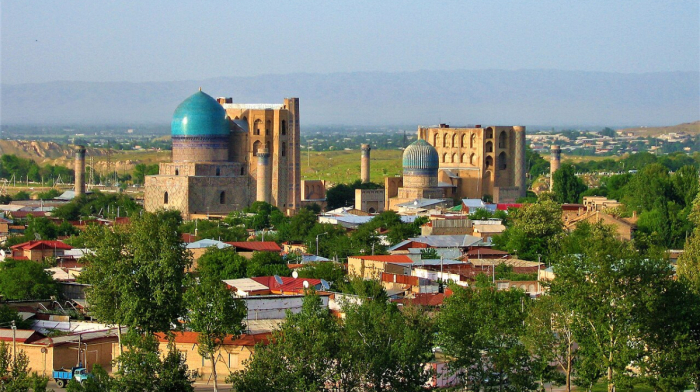
The C5+1 ministerial meeting in Samarkand has strengthened economic ties between the U.S. and Central Asia, with Uzbekistan securing 54 agreements and initiatives worth around $12 billion with U.S. companies and institutions.
Iranian Foreign Minister Abbas Araghchi said regional issues should be resolved through diplomacy and blamed the United States for insecurity and tensions in the Strait of Hormuz, speaking at a joint news conference with Russian Foreign Minister Sergey Lavrov on Monday.
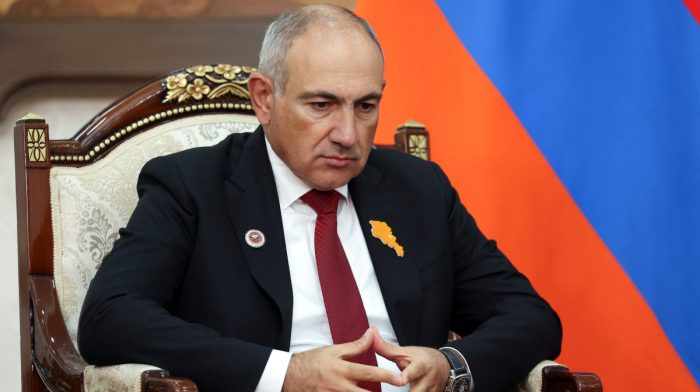
Armenia could face soaring gas prices, a sharp drop in remittances and tighter restrictions on migrant workers if its membership of the Eurasian Economic Union (EAEU) is suspended, according to a new report examining the risks of closer ties with the European Union.
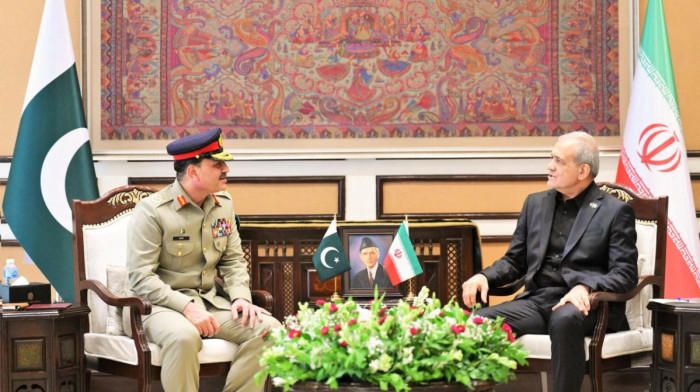
Pakistan’s military chief is heading to Iran for talks as Islamabad pushes for dialogue between Tehran and Washington, while reaffirming its defence commitment to Saudi Arabia and strengthening security ties with Qatar.
You can download the AnewZ application from Play Store and the App Store.




What is your opinion on this topic?
Leave the first comment