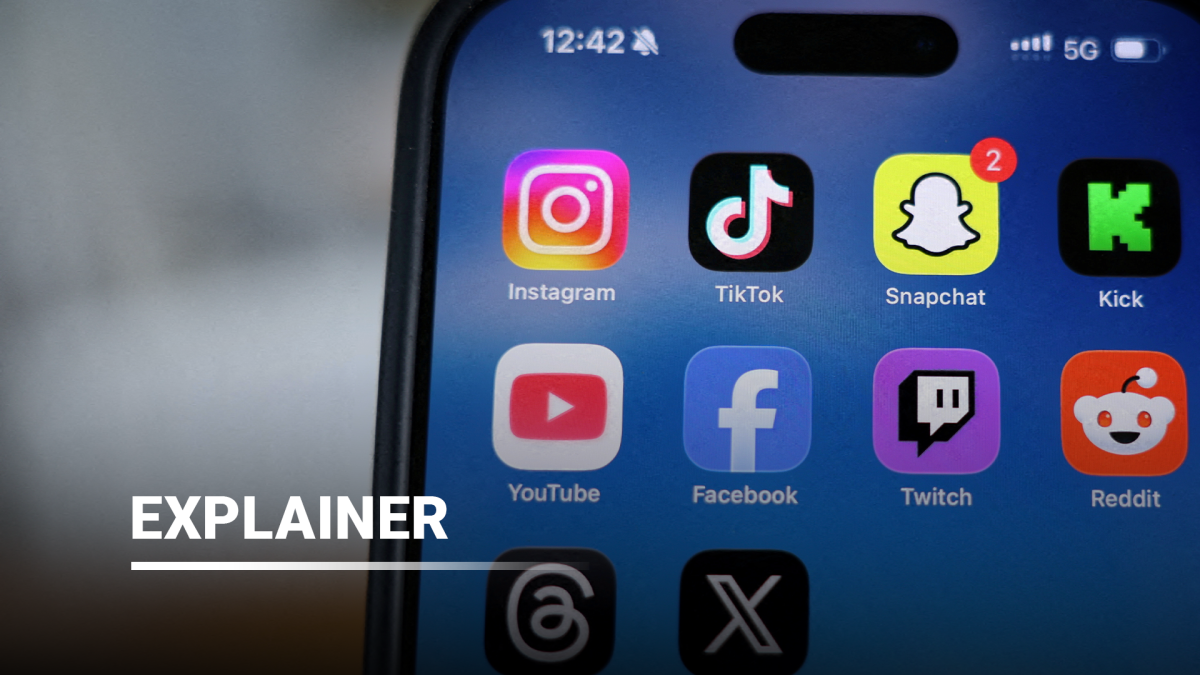
Just one week after a similar move by Australia, Greece announced that it will ban access to social media for children under the age of 15 from January 1, 2027, as governments around the world weigh tougher rules amid growing concerns over mental health, safety and screen addiction.
Greek Prime Minister Kyriakos Mitsotakis announced the ban on Wednesday, citing rising anxiety, sleep problems and the addictive design of online platforms.
From January 1 2027, platforms will need to be able to restrict users or face fines described in the EU Digital Services Act (DSA) reaching up to 6% of their global turnover, Greek Digital Governance Minister Dimitris Papastergiou said.
Other countries are also tightening rules on social media with the United Kingdom, Malaysia, France, Denmark and Poland either considering a ban or in the process of legislating one
Türkiye
Turkish lawmakers have approved legislation to protect minors from harmful online content, including a ban on social media use for children under 15. The vote took place in parliament on 22 April.
The bill requires platforms to verify users’ ages, strengthen parental controls, and remove content deemed harmful to children. It also imposes strict penalties, including fines, advertising bans, and potential bandwidth restrictions for repeated non-compliance.
The law still requires final approval from President Recep Tayyip Erdoğan and is expected to take effect within six months.
Australia became the world's first country to ban social media for children under 16 in December, blocking access to platforms including TikTok, Alphabet's GOOGL.O YouTube and Meta's META.O Instagram and Facebook.
Meta, Snapchat and TikTok have said they continued to believe Australia's ban would not protect young people but committed to complying with it.
The adopted one of the world’s toughest social media regulations, forcing major platforms to block users under 16. Companies that fail to comply face fines of up to A$49.5 million.
“Today, we can announce that this is working,” Prime Minister Anthony Albanese said, calling the law “world leading” and a “source of Australian pride.”
Indonesia will restrict access to social media platforms for children under 16, its communications and digital ministry said on Friday (6 March).
Starting 28 March, accounts owned by children under 16 on "high risk platforms" will be gradually deactivated, Indonesia's Communications and Digital Minister said, adding the platforms include TikTok, Facebook, Instagram, and Roblox.
India
India’s chief economic adviser has called social media platforms “predatory,” urging age restrictions. Goa state officials said they are studying Australia’s law.
“If possible, we will implement a similar ban on children below 16,” said Goa’s IT minister Rohan Khaunte.
The southern Indian state of Karnataka, home to the tech hub of Bengaluru, banned the use of social media by those under the age of 16 on Friday (6 March), becoming the first in India to join global calls for more scrutiny of minors' digital usage.
In the same month, a lawmaker from Andhra Pradesh state proposed a bill to curb social media for children.
Portugal
Portugal’s parliament approved on 12 February a bill on first reading requiring explicit parental consent for children aged 13 to 16 to access social media.
The draft law, proposed by the ruling Social Democratic Party (PSD), aims to protect minors from cyberbullying, harmful content and online predators.
Parents would use the Digital Mobile Key (DMK) system to grant consent, while tech companies must implement compatible age verification tools. The bill passed by 148 votes to 69, with 13 abstentions and can still be amended before a final vote.
United Kingdom
Britain is weighing an Australia-style ban, with Prime Minister Keir Starmer saying the government is ready to take “robust action.” Officials are reviewing whether features such as infinite scrolling and the digital age of consent should be restricted.
“This is a hugely complex issue, so it’s important it’s properly considered,” Starmer said, adding that childhood today too often means “endless scrolling, anxiety and comparison.”
China
China enforces some of the world’s strictest internet controls, blocking large numbers of websites and social media platforms for both adults and children. It has also introduced measures to limit children’s technology use, including restricting online gaming for under-18s and regulating screen time on social media.
United States
In the U.S., children’s online protections are mainly governed by the Children’s Online Privacy Protection Act, which bars companies from collecting personal data from children under 13 without parental consent. The law does not ban under-13s from using social media but holds platforms legally responsible if they collect data without approval.
This is why many platforms set a minimum age of 13. Some U.S. states have gone further, introducing stricter rules that require parental consent for under-16s and mandate age verification.
Denmark
Denmark plans to ban social media for children under 15, while allowing parents to grant access to certain platforms for children aged 13 and above.
France
It's reported by rfi that the French Senate supports plans aimed at banning social media access for children under the age of 15, after a vote was held on Tuesday (31 March). However, the article says there are legal differences on how the Senate sees it being implemented.
President Emmanuel Macron wants the law in place by the start of the next academic year in September and has urged France to follow Australia’s example, blaming social media as one factor behind youth violence. However, the disagreements between the Senate and the government over the implentation could delay the beginning of the ban.
Germany
In Germany, children aged 13 to 16 are allowed to use social media only with parental consent, though critics say enforcement is weak.
A YouGov poll last year found that 77% of respondents in Germany either “fully” or “somewhat” supported an Australia-style ban on social media for under-16s.
Greece
Greece is “very close” to announcing a ban on social media for children under 15, a senior government source told Reuters.
Italy
Children under 14 require parental consent to sign up for social media accounts, while no consent is needed above that age.
Norway
Norway has proposed raising the digital age of consent to 15 and is drafting legislation to set a firm minimum age limit for social media use.
Spain
Spain’s government has approved a draft law that would raise the minimum age for opening a social media account from 14 to 16, though the measure has yet to take effect. Under the proposal, children under 16 would need explicit parental consent to use social media.
The draft also obliges platforms to introduce robust age-verification systems. However, the plan has drawn criticism from technology figures, including Elon Musk
The European Parliament has adopted a non-binding resolution calling for a minimum age of 16 for social media, while urging a harmonised digital age limit of 13 across the bloc.
Overall, governments worldwide are reassessing how children engage with social media, with Australia’s ban now shaping policy discussions far beyond its borders.
Austria
The Central European country’s government said on 27 March that it planned to introduce a social media ban for children under 14.
Vice Chancellor Andreas Babler said addictive algorithms and content featuring “sexualised violence” would be targeted by the ban.
"We will decisively protect children and young people in [the] future from the negative effects of social media," Babler added.
The government has yet to say when the ban will come into force, but legislation will be drawn up by the end of June.
The explosion at King Khalid International Airport in Riyadh on Saturday afternoon killed at least 12 people and injured a further 309, according to Saudi Arabia’s Civil Aviation Authority. The airport remains closed until further notice.
Yemen's Houthis renewed warning to airlines, airport workers, and travellers against using Saudi airports, saying the warning should be taken seriously and that the kingdom “bore responsibility for failed interceptions”, a day after an attack on Riyadh's international airport that killed 12 people.
One person was killed and nearly a dozen hurt in a new attack Riyadh's international airport on Sunday, Saudi authorities reported, a day after a strike claimed by Yemen's Houthis that killed 13 people and wounded more than 300.
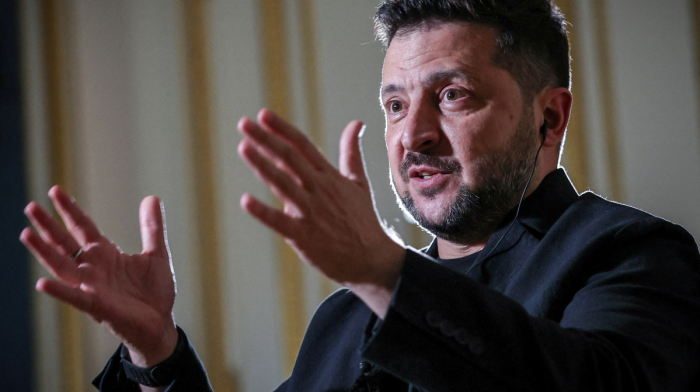
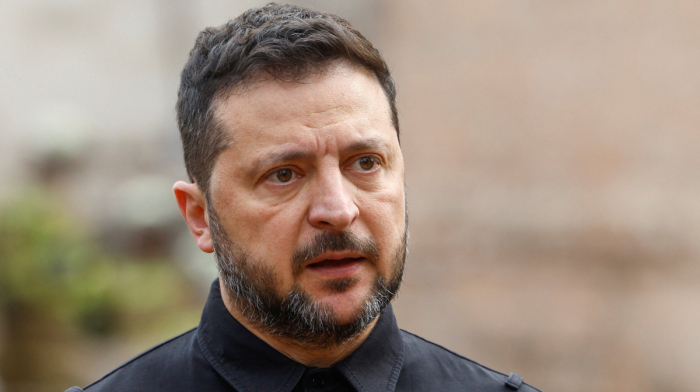
Ukraine is ready to stop attacks on Russian oil refineries if Moscow also halts strikes on Ukrainian energy infrastructure, President Volodymyr Zelenskyy said on Sunday.
Russia has violated an energy ceasefire announced by U.S. President Donald Trump, Ukrainian leader Volodymyr Zelenskyy said on Monday, urging Washington to step in to ensure that Moscow abided by the terms of the putative agreement.
Ukrainian President Volodymyr Zelenskyy said on Monday that Ukraine is ready to respect the energy ceasefire announced by U.S. President Donald Trump, but only if Russia does the same, saying Moscow has already violated the agreement.
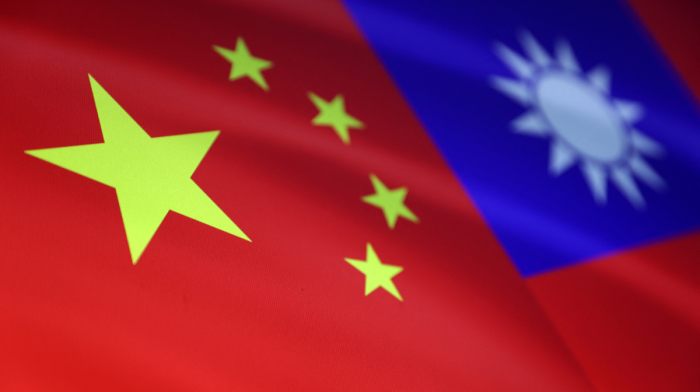
China has announced sanctions against Belize’s foreign minister and Paraguay’s communications minister over their countries’ diplomatic ties with Taiwan. The move comes as Beijing continues to pressure the few remaining nations that maintain formal diplomatic relations with Taipei.
Download the AnewZ app
You can download the AnewZ application from Play Store and the App Store.













What is your opinion on this topic?
Leave the first comment