The ongoing conflict involving Iran is set to disrupt global travel on a massive scale, with nearly 28 million outbound trips from the Middle East at risk this year, according to Oxford Economics.
The impact extends far beyond the region. Analysts warn that around 116 million visits and 858 million nights worldwide could be affected as the conflict reshapes travel demand, air connectivity and consumer behaviour.
Europe and global travel under pressure
Europe’s tourism sector is particularly exposed, with countries such as Türkiye, France and the United Kingdom seen as especially vulnerable to a decline in visitors from the Middle East.
At the same time, shifting traveller sentiment is expected to drive a move towards destinations perceived as safer and closer to home.
“The shock is flowing through multiple channels,” Oxford Economics said, pointing to reduced outbound travel from the Middle East, weaker transit through major aviation hubs, longer and more expensive flight routes, and rising uncertainty among travellers.
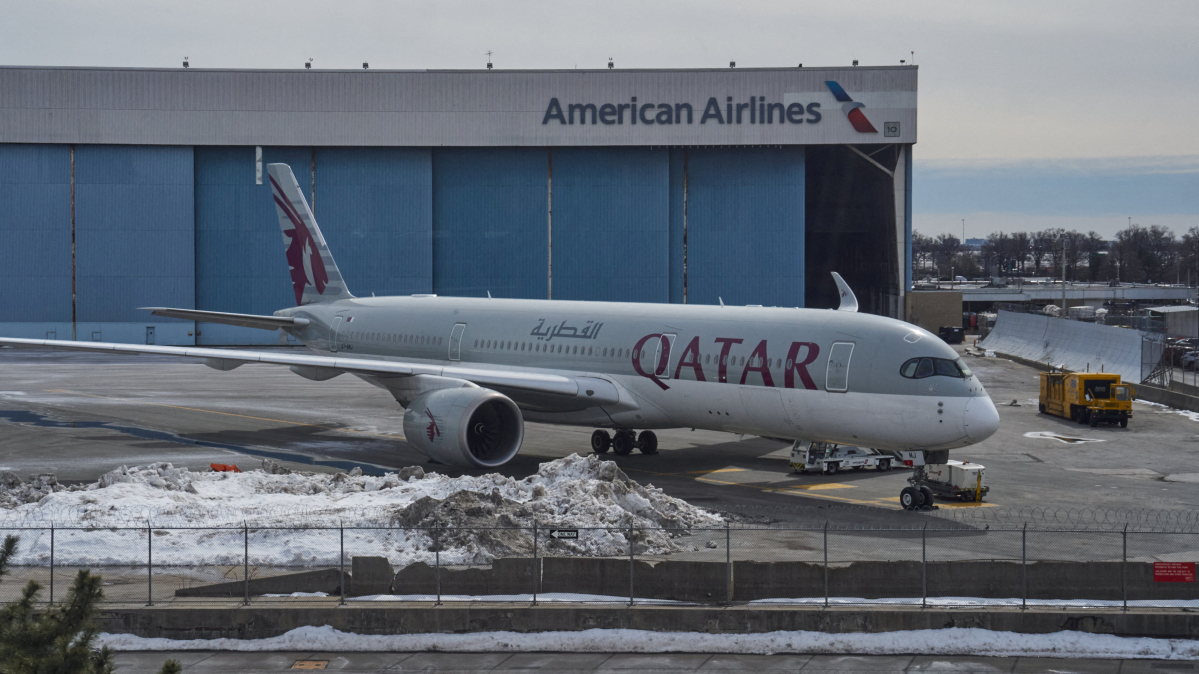
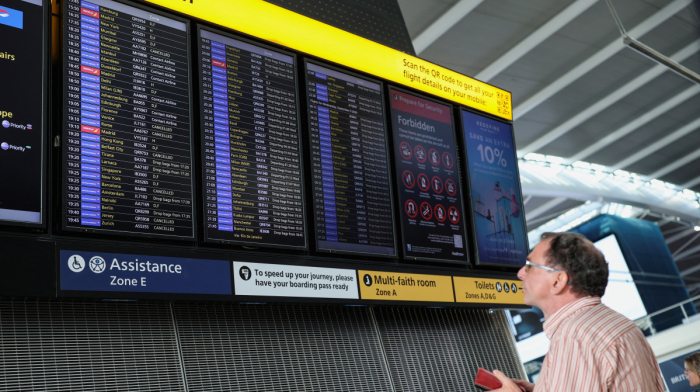
Air connectivity is coming under increasing strain, with Middle Eastern airports accounting for around 14% of global transit traffic. Disruptions have already been severe, with more than 5,000 flights cancelled in the first two days of the conflict as large parts of regional airspace were closed.
When operations resume, priority is expected to be given to stranded passengers and residents seeking to leave affected areas.
Costs rise, destinations shift
Higher fuel costs are compounding the disruption, as rising energy prices linked to the conflict push up airline operating expenses, leading to higher airfares and dampening demand.
Despite the downturn, some destinations may benefit from shifting travel patterns. Southern European countries such as Spain, Portugal and Greece, along with North African destinations including Egypt, Morocco and Tunisia, are expected to capture redirected demand as travellers seek alternative holiday options.
Oxford Economics outlined two possible scenarios for the sector.
In a short conflict lasting one to three weeks, international arrivals to the Middle East could fall by 11% in 2026, representing a loss of 23 million visitors and around $34 billion in tourism spending.
In a more prolonged scenario, losses could deepen to 38 million visitors - a 27% decline - with an estimated $56 billion hit to revenues.
Gulf Cooperation Council countries are expected to bear the brunt of the downturn, given their reliance on tourism growth and their role as major global transit hubs.
The analysis underscores how the conflict is not only a regional crisis but a global shock to the travel industry, with ripple effects likely to be felt across multiple markets in the months ahead.













What is your opinion on this topic?
Leave the first comment