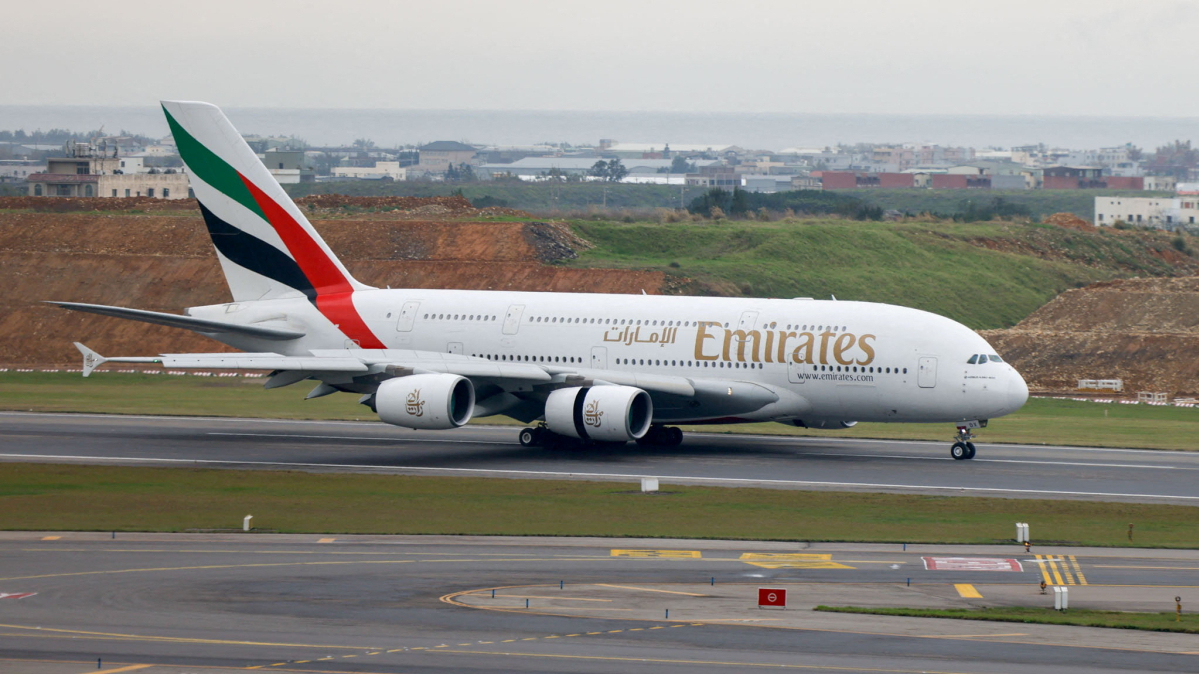
Emirates and Etihad Airways were resuming limited flight schedules to key global cities from their United Arab Emirates hubs on Friday (6 March), though the ongoing threat of missile fire piled pressure on airlines.
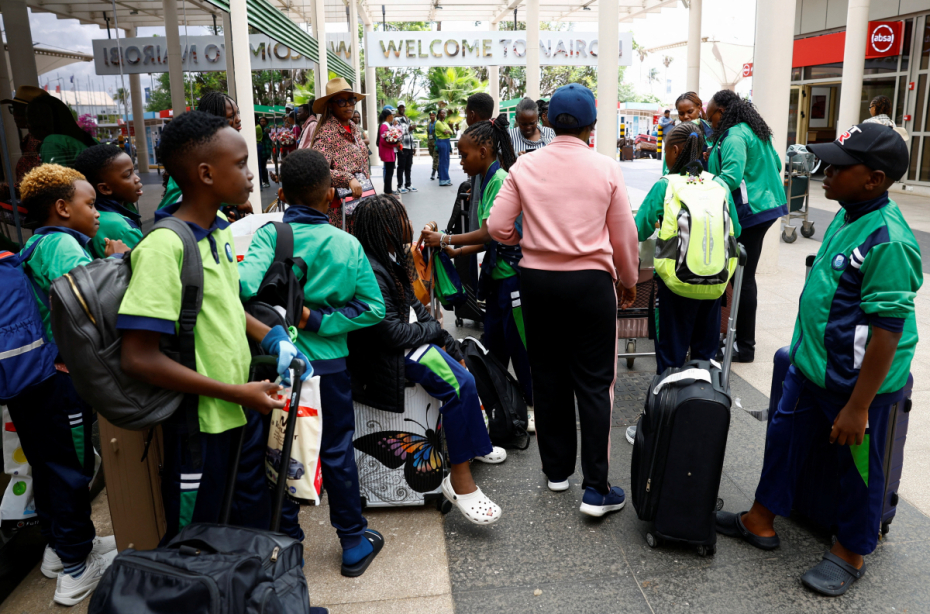
With most airspace in the Middle East still closed over missile and drone concerns since the start of the U.S.-Israel war against Iran last weekend, authorities have been arranging charter flights and securing seats on limited commercial services to evacuate tens of thousands of people.
A government-chartered Air France flight to bring French nationals back from the United Arab Emirates was forced to turn back on Thursday due to missile fire in the area, French Transport Minister Philippe Tabarot said.
"This situation reflects the instability in the region and the complexity of repatriation operations," he said.
Etihad said on Friday it would resume a limited flight schedule through 19 March. The flights will operate to and from Abu Dhabi and 25 destinations including London, Paris, Frankfurt, Delhi, New York and Toronto.
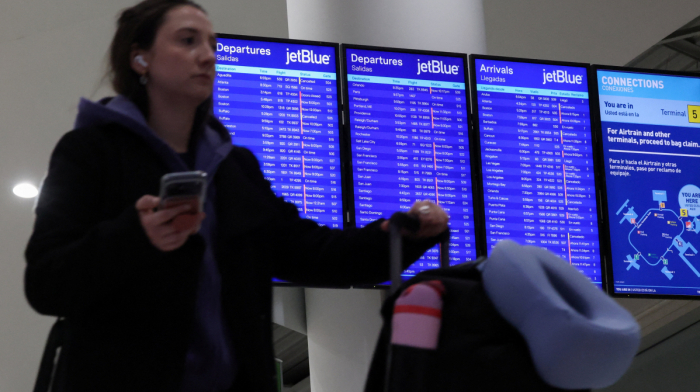
As of Thursday, traffic at Dubai airport, normally the world's busiest, had almost doubled from Wednesday, but remained only about 25% of normal levels, flight-tracking website Flightradar24 said.
Dubai-based Emirates, one of the UAE's two flag carriers, said late on Thursday it was operating a reduced flight schedule to 82 destinations including London, Sydney, Singapore and New York until further notice.
The limited operations at Middle Eastern hubs have hit travellers on routes from Europe to the Asia-Pacific region particularly hard.
Combined, Emirates, Qatar Airways and Etihad Airways normally fly about one-third of passengers from Europe to Asia and more than half of all passengers from Europe to Australia, New Zealand and nearby Pacific Islands, according to Cirium data.
Qatar's Doha hub remains shut, though it has been arranging a limited number of relief flights from Oman and Saudi Arabia.
Data from Cirium showed that from 28 February, when the conflict started to 5 March, there were more than 44,000 flights scheduled in and out of the Middle East, with more than 25,000 flights cancelled so far.
Jet fuel prices soar, shares fall
Higher oil prices have sent jet fuel costs soaring, with Singapore jet fuel reaching a record high of $225 a barrel this week, which traders attributed to concerns about supply shortages from Middle Eastern refiners.
The price eased slightly on Thursday to about $195 a barrel after some profit-taking but remained nearly double that of last week.
Shares of Qantas Airways fell more than 3% on Friday, Air New Zealand was down nearly 7%, Hong Kong's flagship carrier Cathay Pacific dropped more than 2%, while Singapore Airlines was down more than 1%.
Travellers describe chaos in scramble to leave
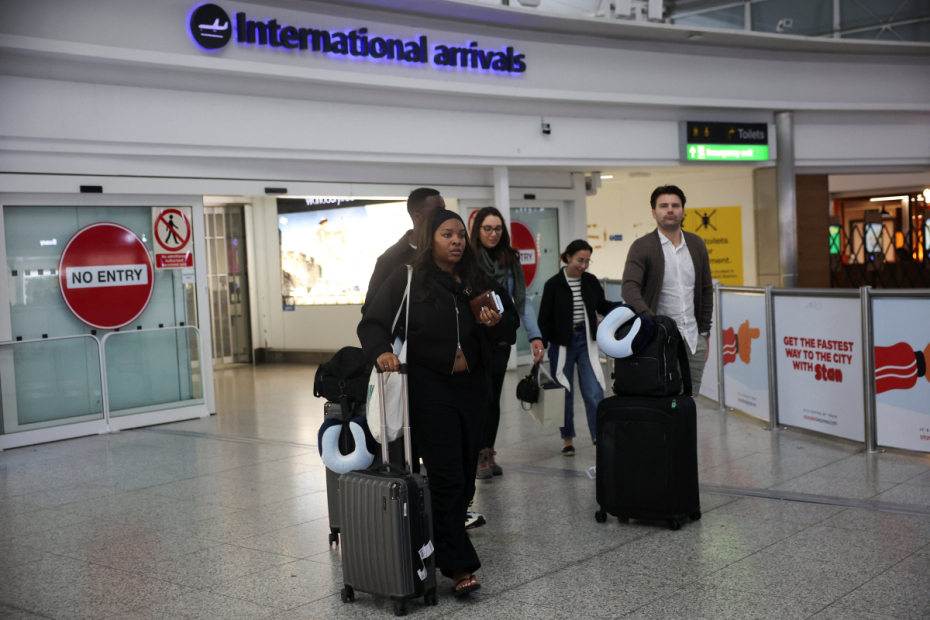
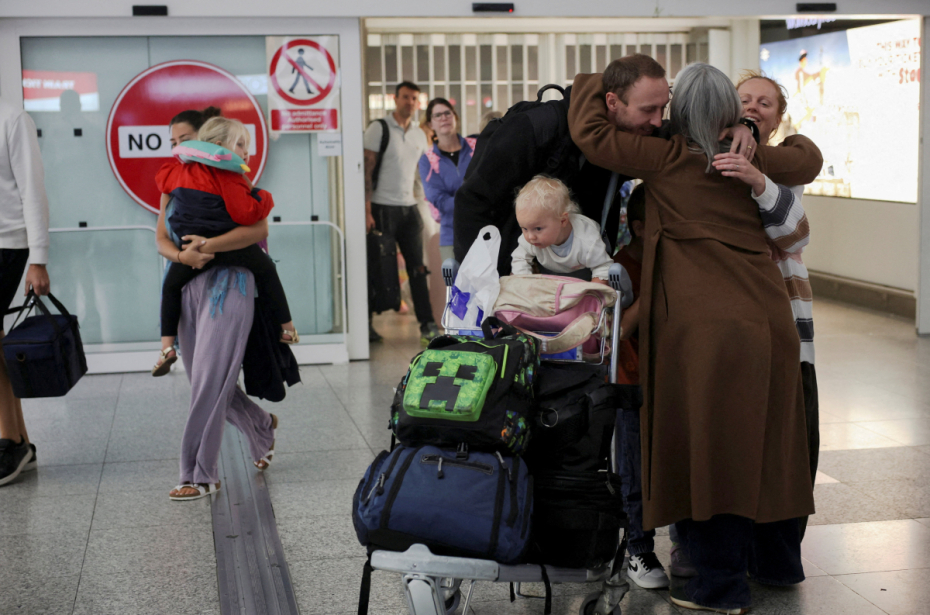
Passengers have been forking out huge sums of money to get out of the Middle East, with some who managed to travel back by commercial flight on Thursday from Oman saying it had been "absolute chaos" to find their way back home from Dubai.
"We paid £1,500 ($2,005.05) to get across to Muscat (Oman) to get on the plane," said Ed Short after he arrived at London's Heathrow Airport on a British Airways flight.
With the conflict showing little sign of easing, wider aviation and air-cargo disruption looked set to linger.
Saudi budget carrier Flynas will run a limited number of flights between Saudi Arabia and Dubai starting on Friday.


















What is your opinion on this topic?
Leave the first comment