The World Health Organization warned on Monday that the fast-moving Ebola outbreak in the Democratic Republic of the Congo and Uganda was outpacing response efforts, with 220 suspected deaths reported so far.
World Health Organization chief Tedros Adhanom Ghebreyesus said delayed detection of Ebola cases had forced responders to “play catch-up”, warning that the situation was expected to worsen before improving.
Addressing an African Union meeting, Tedros said more than 900 suspected Ebola cases had been identified, including 101 confirmed infections.
The WHO has declared the outbreak of the rare Bundibugyo strain of Ebola a public health emergency of international concern, citing the absence of an approved vaccine or virus-specific treatment.
Infections continue to spread across eastern Congo and into neighbouring Uganda, which has now confirmed seven Ebola cases after reporting two new infections on Monday.
Tedros warned that countries bordering the DRC remained at high risk and urged immediate preparedness measures.
He said containing the fast-moving outbreak was complicated by insecurity in Congo’s Ituri and North Kivu provinces, as well as the lack of approved vaccines for the Bundibugyo virus.
Tedros said he would travel to Congo - the epicentre of the outbreak - on Tuesday alongside Chikwe Ihekweazu, the WHO official responsible for health emergencies in Africa.
Restrictions and funeral transmission risks
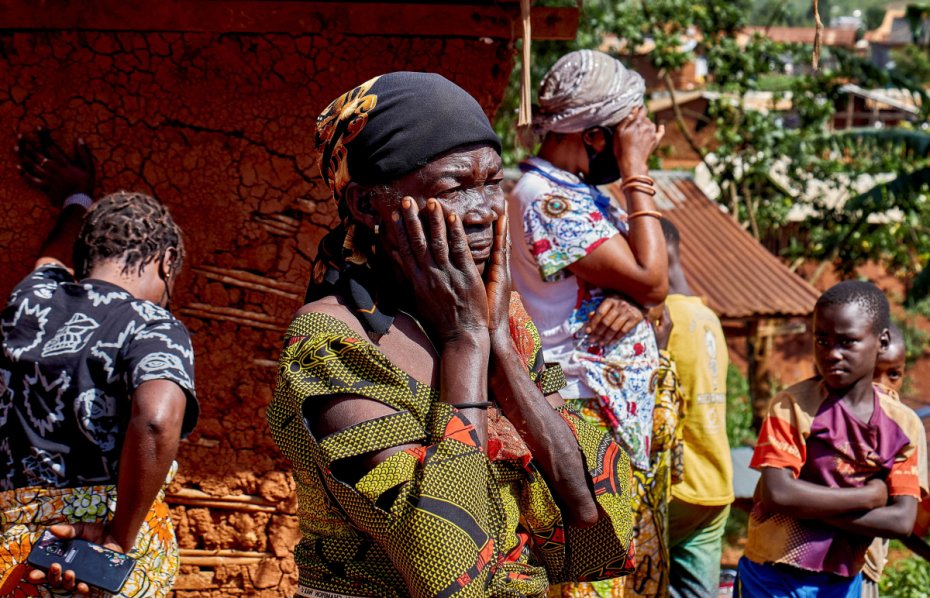
Authorities in Ituri province, one of the worst-affected areas, introduced strict emergency measures after clashes erupted in Rwampara, where residents attempted to recover the body of an Ebola victim for a traditional funeral wake.
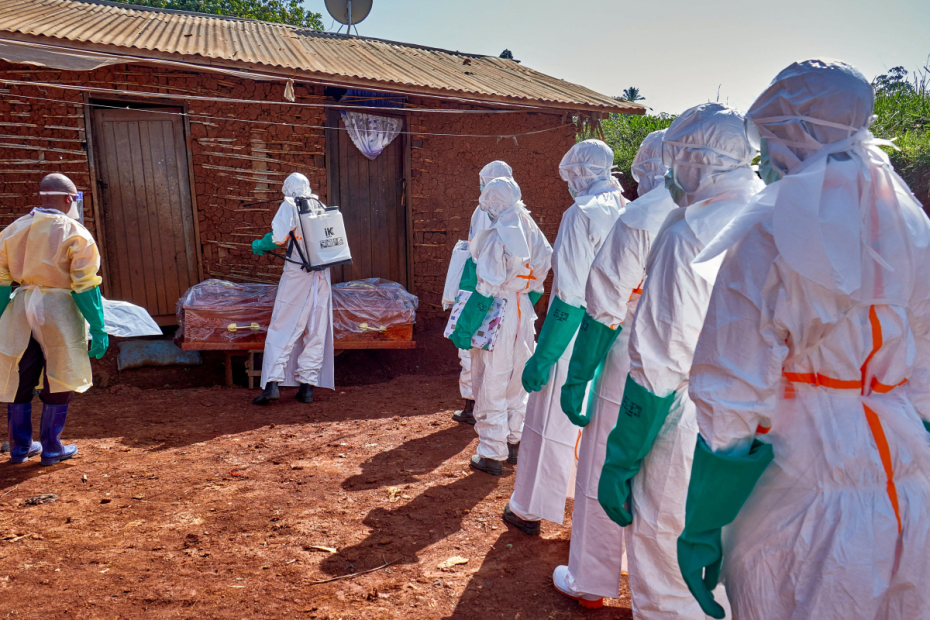
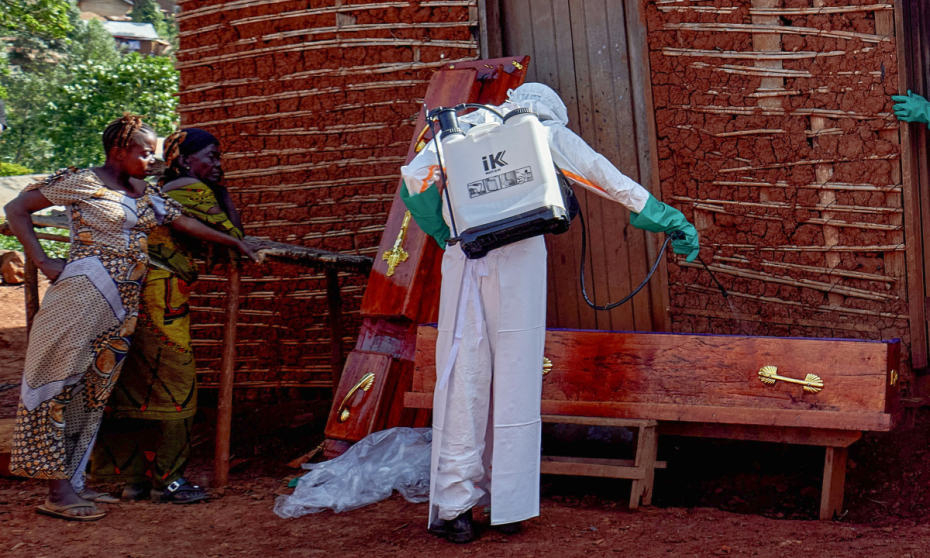
Officials banned funeral wakes, limited public gatherings to 50 people, suspended the local football league, and ordered that burials be conducted only by specialised medical teams.
Ebola spreads through direct contact with bodily fluids, while the bodies of victims remain highly infectious after death. Health officials said unsafe funeral practices had significantly contributed to the spread of the current outbreak.
“The virus spreads very easily during funeral practices,” said Laura Archer of the International Federation of Red Cross and Red Crescent Societies (IFRC).
The outbreak’s first known patient died in Bunia, the capital of Ituri province, on 24 April. Authorities said the virus spread further after mourners handled the victim’s body during a funeral in Mongbwalu.
Attacks on health facilities and misinformation
Doctors and aid workers operating in eastern Congo are also facing violence, supply shortages and growing public distrust.
At least three attacks on health facilities have been reported in Ituri province, including two incidents over the weekend targeting the same hospital and allowing more than two dozen patients to flee.
The violence has revived memories of the 2018–2020 Ebola outbreak in eastern Democratic Republic of the Congo, during which more than 25 health workers were killed in attacks on treatment centres.
Medical officials said misinformation and denial about Ebola remained widespread among local communities.
“There is denial of the disease within the population,” said Dr Richard Lokodu, director of Mongbwalu General Referral Hospital.
Aid organisations have intensified door-to-door awareness campaigns to combat false information surrounding the outbreak.
“There’s a lot of misinformation on the ground, so that’s another epidemic by itself,” WHO Regional Director for Africa Mohamed Yakub Janabi said.
Regional response and border concerns
Uganda’s health ministry said some of its latest Ebola infections involved close contacts of the country’s first confirmed case, including a healthcare worker and a driver involved in patient transport.
Authorities in Rwanda also introduced new border restrictions, saying foreign nationals who had recently travelled through the DRC would be denied entry, while returning residents would face quarantine measures.
The WHO has urged countries to avoid broad border closures, warning that restrictions could encourage informal crossings and complicate humanitarian access.
Conflict complicates containment efforts
The outbreak is unfolding amid ongoing conflict in eastern Congo, where armed groups continue to operate across affected regions.
The Rwanda-backed M23 rebel group controls parts of North Kivu province, including areas where Ebola cases have been detected. Authorities in rebel-controlled territory have already suspended transport links between several affected cities.
United Nations humanitarian chief Tom Fletcher announced around $60 million in emergency funding to support containment efforts.
“We need to get ahead of this Ebola outbreak,” Fletcher wrote on X.











What is your opinion on this topic?
Leave the first comment