Iran and Afghanistan are seeking closer cooperation in agriculture, livestock and irrigation during a three-day Iranian ministerial visit to Kabul, as both sides look to strengthen trade and rural economies.
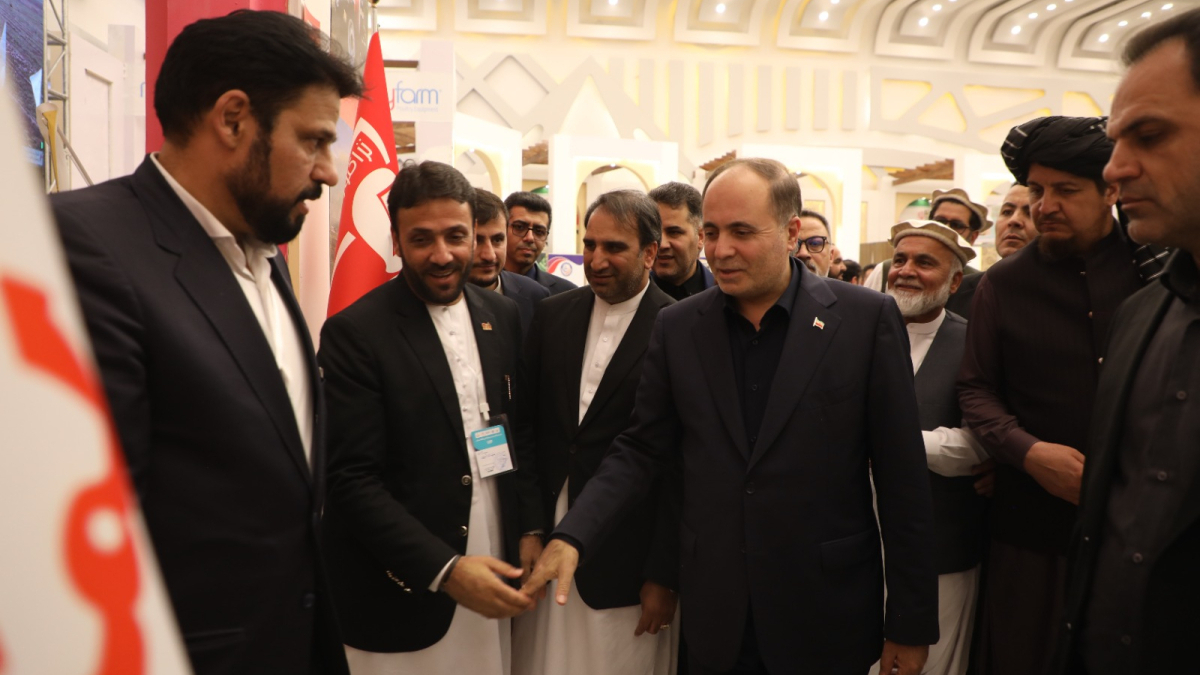
Iranian Minister of Agricultural Jihad Gholamreza Nouri Ghezeljeh arrived in Kabul on Wednesday at the invitation of Afghanistan’s Minister of Agriculture, Irrigation and Livestock, Ataullah Omari. His delegation also visited Afghanistan’s first international agriculture and livestock exhibition.
Nouri Ghezeljeh said the programme included meetings with Afghan officials and a visit to the exhibition.
“God willing, we will meet with Afghan officials and also visit Afghanistan’s first agriculture and livestock exhibition.”
Trade and rural livelihoods
Agriculture remains central to Afghanistan’s economy. The World Bank said in July that agriculture, livestock and rural activities contribute an estimated 35 per cent of GDP and employ about 45 per cent of the workforce, while nearly 80 per cent of households depend on rural livelihoods.
Wheat is Afghanistan’s main cereal crop, while fresh and dried fruits, nuts, cotton and saffron are key exports. Sheep and goats underpin the production of meat, dairy products, wool, skins and cashmere. Food products accounted for 61 per cent of Afghan exports in 2023, according to the World Bank.
The Afghan agriculture ministry said the talks centred on expanding cooperation between the two countries.
“Mawlawi Ataullah Omari, Minister of Agriculture, Irrigation and Livestock, met with Gholamreza Nouri Ghezeljeh, Minister of Agricultural Jihad of the Islamic Republic of Iran and Iranian head of the Afghanistan-Iran Joint Economic Cooperation Commission, and his accompanying delegation, and discussed the expansion of joint cooperation in the fields of agriculture, livestock and irrigation.”
Water pressures threaten agriculture
Water shortages remain a major challenge. The Food and Agriculture Organization of the United Nations (FAO) warned this year that snowfall at the start of the 2025/26 wet season had fallen to a 25-year low, threatening crops and livestock that rely on snowmelt.
The World Bank also cites weak roads, limited cold storage, poor access to finance, droughts and floods as major obstacles to rural production and trade.












What is your opinion on this topic?
Leave the first comment