




23:25 CET
Nigeria confirms Ebola case in Abuja
Nigerian health authorities have confirmed a case of Ebola disease in the Federal Capital Territory (FCT)...
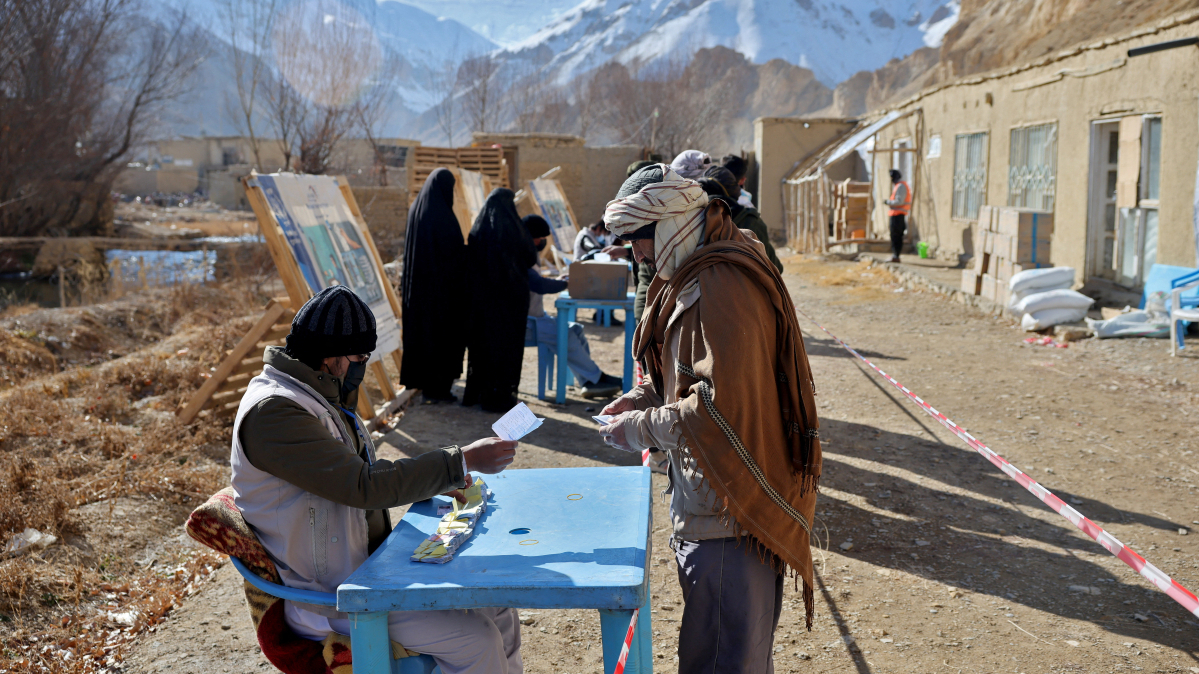


The World Food Programme’s Afghanistan country director has said the cost of transporting food aid into the country has tripled, as global shipping disruption delays supplies for vulnerable children.
The Guardian reported that John Aylieff, the World Food Programme (WFP) country director in Afghanistan, said the agency is now facing significantly higher costs to bring food into the landlocked country.
According to The Guardian, WFP supplies of “fortified biscuits” are being transported by road from Dubai through seven countries to Afghanistan. The report said the agency is avoiding its usual route through the Strait of Hormuz, adding three weeks to the journey.
Aylieff said the delays are already affecting children in Afghanistan.
“Afghan children today are going hungry as a result,” Aylieff told The Guardian, adding that many could die.
The report said aid organisations are calling for a humanitarian corridor through the Strait of Hormuz, as rising oil prices and shipping disruption slow the delivery of food, medicine and fuel to countries already facing humanitarian crises.
The Guardian said the disruption is linked to volatility in global oil prices following the U.S. and Israel’s conflict with Iran. It reported that oil prices rose from about $60 a barrel at the start of the year, peaking at nearly $120, while recently standing at around $111.
A WFP spokesperson told The Guardian that rising oil prices could prevent the agency from reaching around 1.5 million people worldwide in the coming months.

The newspaper also reported that WFP is attempting to reroute approximately 93,000 tonnes of food, including fortified biscuits and nutritional supplements, to communities in urgent need.
AnewZ contacted the Afghan government spokesperson for comment on the reported price increases but had not received a response by the time of publication.
So far, there has been no public reaction from the Afghan de facto authorities to The Guardian’s report. However, Kabul has previously acknowledged the country’s worsening food security crisis and earlier this year announced a UN- and Asian Development Bank-backed programme to support vulnerable Afghan families.

Nigerian health authorities have confirmed a case of Ebola disease in the Federal Capital Territory (FCT)...
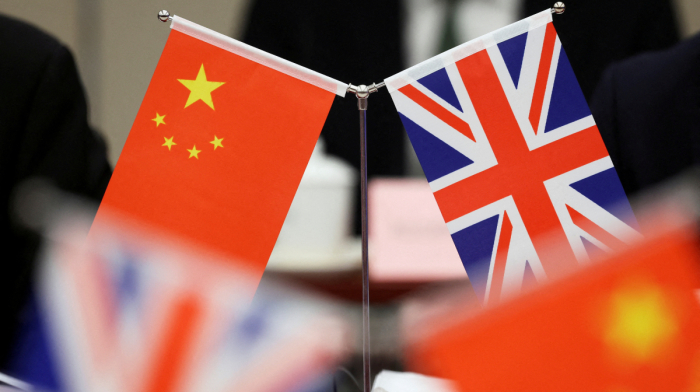
China has lodged a formal diplomatic protest with the UK after British border officials allegedly subjected Chinese travellers to lengthy questioni...
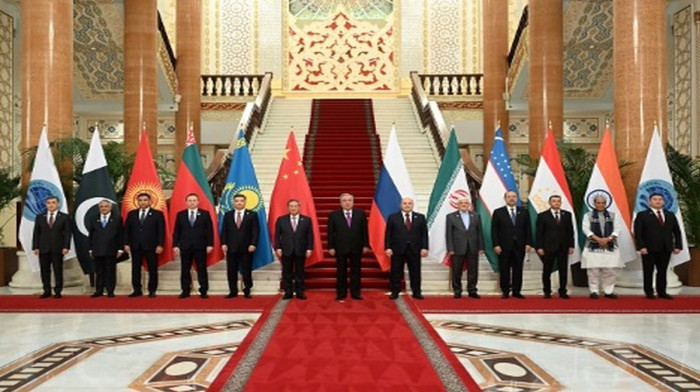
Member states of the Shanghai Cooperation Organisation (SCO) prevented 273 terrorist attacks and more than 3,000 crimes linked to terrorism, separa...
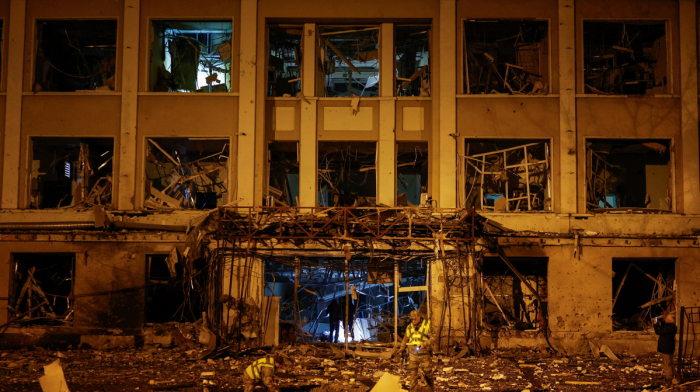
U.S. President Donald Trump has criticised Ukrainian President Volodymyr Zelenskyy for continuing to target Russia's energy infrastructure, while Russian strikes on Kyiv overnight killed at least one person and damaged a metro station.
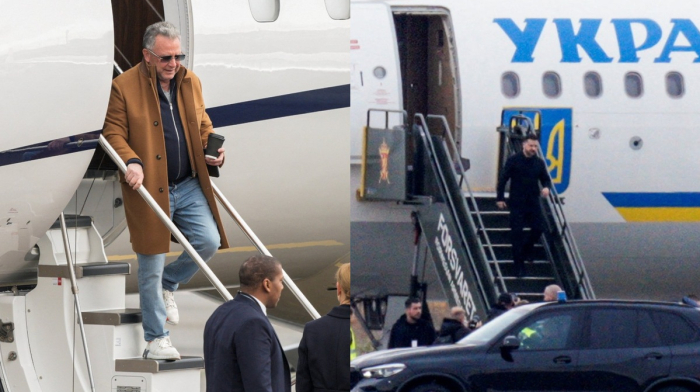
Ukrainian President Volodymyr Zelenskyy has arrived in Norway for talks about the Russia-Ukraine war. He is expected to meet with U.S. President Donald Trump's Special Envoy Steve Witkoff, who arrived in Oslo earlier. Witkoff will also meet European officials.
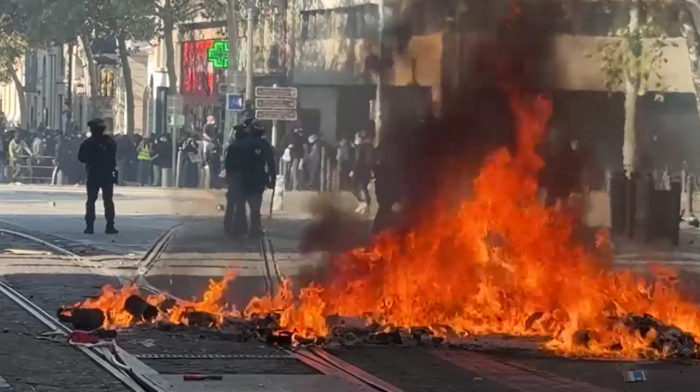
French President Emmanuel Macron has condemned the violence, looting and vandalism that erupted during cost-of-living protests across France. Prime Minister Sébastien Lecornu held crisis talks on Monday, calling for partial curfews and raising the possibility of a state of emergency.
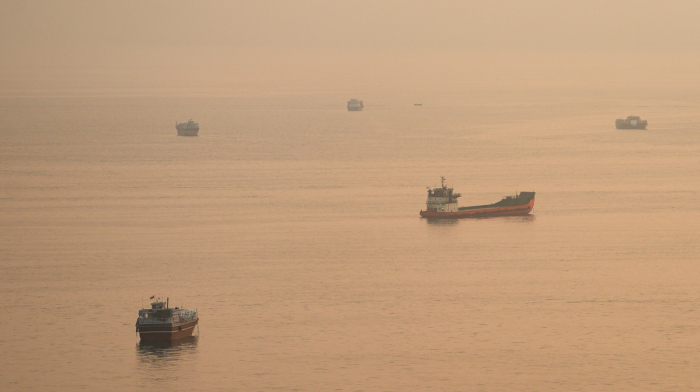
An oil tanker caught fire after striking a naval mine in the southern part of the Strait of Hormuz, Iran’s Islamic Revolutionary Guard Corps (IRGC) Navy said late Sunday.
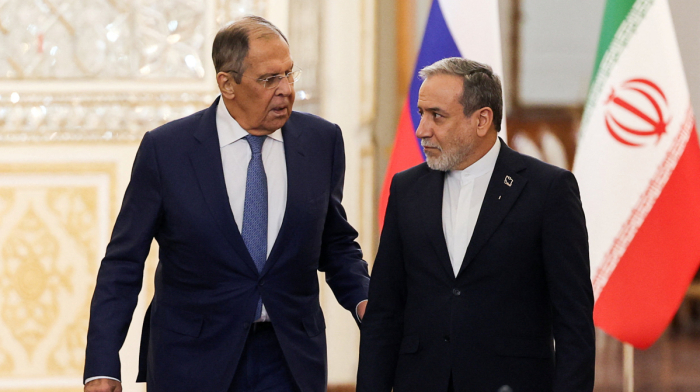
Iranian Foreign Minister Abbas Araghchi said regional issues should be resolved through diplomacy and blamed the United States for insecurity and tensions in the Strait of Hormuz, speaking at a joint news conference with Russian Foreign Minister Sergey Lavrov on Monday.
Member states of the Shanghai Cooperation Organisation (SCO) prevented 273 terrorist attacks and more than 3,000 crimes linked to terrorism, separatism and extremism in 2025, according to the bloc's regional counter-terrorism body.
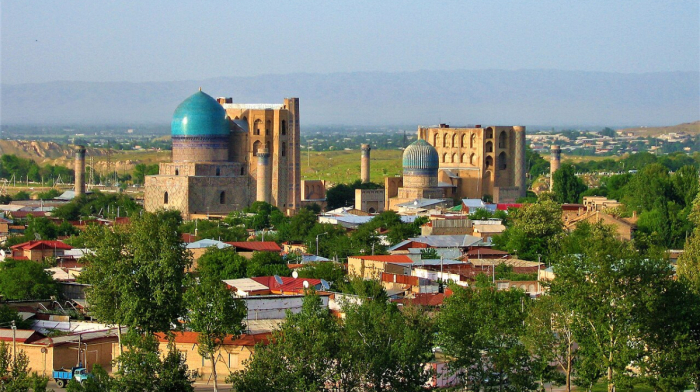
The C5+1 ministerial meeting in Samarkand has strengthened economic ties between the U.S. and Central Asia, with Uzbekistan securing 54 agreements and initiatives worth around $12 billion with U.S. companies and institutions.
Iranian Foreign Minister Abbas Araghchi said regional issues should be resolved through diplomacy and blamed the United States for insecurity and tensions in the Strait of Hormuz, speaking at a joint news conference with Russian Foreign Minister Sergey Lavrov on Monday.
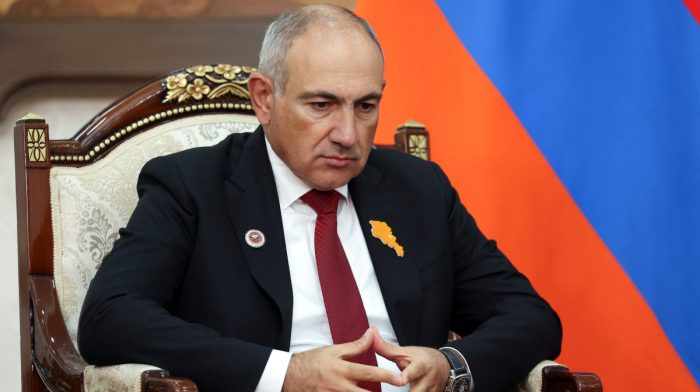
Armenia could face soaring gas prices, a sharp drop in remittances and tighter restrictions on migrant workers if its membership of the Eurasian Economic Union (EAEU) is suspended, according to a new report examining the risks of closer ties with the European Union.
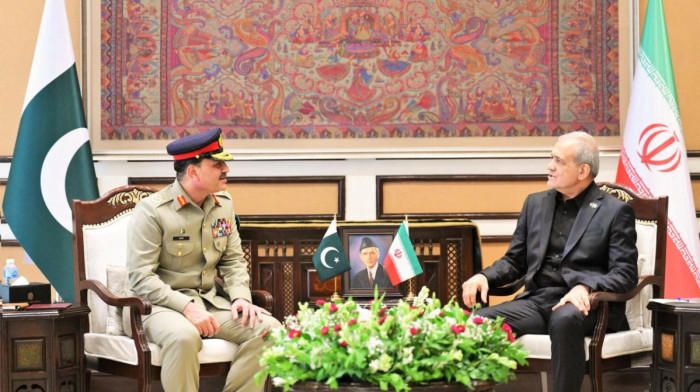
Pakistan’s military chief is heading to Iran for talks as Islamabad pushes for dialogue between Tehran and Washington, while reaffirming its defence commitment to Saudi Arabia and strengthening security ties with Qatar.
You can download the AnewZ application from Play Store and the App Store.




What is your opinion on this topic?
Leave the first comment